


Can babies sleep on their stomachs?


Why can’t babies sleep on their stomachs?
If you are reading this, you are likely searching for more than just a quick answer.
Many parents arrive here because their baby truly seems to rest more peacefully on their stomach. Maybe your little one settles faster, startles less, or just looks more content than when lying on their back. It is such a tough place to be as a parent, when what comforts your baby most is also something you have heard might not be safe.
That is exactly why this topic can feel so overwhelming.
The short answer is that young babies are safest when placed on their backs to sleep, even if they seem to prefer their stomachs. Tummy sleeping is linked to a higher risk of serious sleep-related dangers, including SIDS.
That is the guideline. But simply stating the rule does not really help with what parents are actually struggling with: if it is unsafe, why does it seem to help so much? And what are you supposed to do when your real baby does not act like the babies in the books?
Let’s walk through this together in a way that feels supportive and genuinely helpful.
Babies cannot sleep on their stomachs: why?
In the early months, babies simply do not have the strength, control, or sleep maturity to protect themselves if breathing becomes more difficult.
When a young baby is face down, several things can become riskier:
-
The nose and mouth can end up too close to the sleep surface.
-
The baby can rebreathe the air they just exhaled instead of getting fresh air.
-
Carbon dioxide can build up.
-
The airway can become harder to keep clear.
-
The baby may sleep too deeply to respond well if something is wrong.
That last part is more important than many people realize. Tummy sleep can look appealing because some babies do seem to sleep more deeply that way. But for a very young baby, deeper sleep is not always safer.
Safe sleep is not about finding the position that makes your baby sleep the longest. It is about choosing the position that keeps your baby safest if something unexpected happens.
When doctors recommend back sleeping, it is not because they do not understand how comfortable some babies look on their stomachs. They do see it. The challenge is that young babies are still too vulnerable for comfort to be the only thing we consider.
But my baby really does sleep better on the stomach
This is the part that often gets missed, and it is why so many parents feel torn.
Yes, some babies truly do seem to sleep better on their stomachs.
Parents talk about this all the time. They say things like:
-
“That’s the only way he settles.”
-
“She sleeps so well on her tummy.”
-
“He wakes himself up on his back, but stays asleep on his stomach.”
You are not imagining it, and you are certainly not a bad parent for noticing it.
Usually, tummy sleeping feels calmer to babies because:
-
Some babies like the gentle pressure and feeling of being contained
-
It can make them feel more “held.”
-
They may be less wiggly and less likely to startle themselves awake.
This is what makes things so confusing for parents. The option that feels most comfortable in the moment can sometimes be the one that carries more risk.
This is one of those parenting moments where what seems to work better and what is actually safer are not always the same.
So what should I actually do if my baby only seems to sleep well that way?
This is where parents need something more practical than just being told not to do it.
If your baby seems to sleep better on their stomach, it can help to ask what part of tummy sleeping they are actually responding to. Sometimes, you can meet that need in a safer, more reassuring way.
A few possibilities:
1. Your baby may hate the startle reflex more than they love tummy sleeping
If your baby is waking themselves up again and again, the real challenge may be the startle reflex, not the sleep position itself. In those early weeks, some families find that safe swaddling, used only before rolling begins, can help more than changing sleep position.
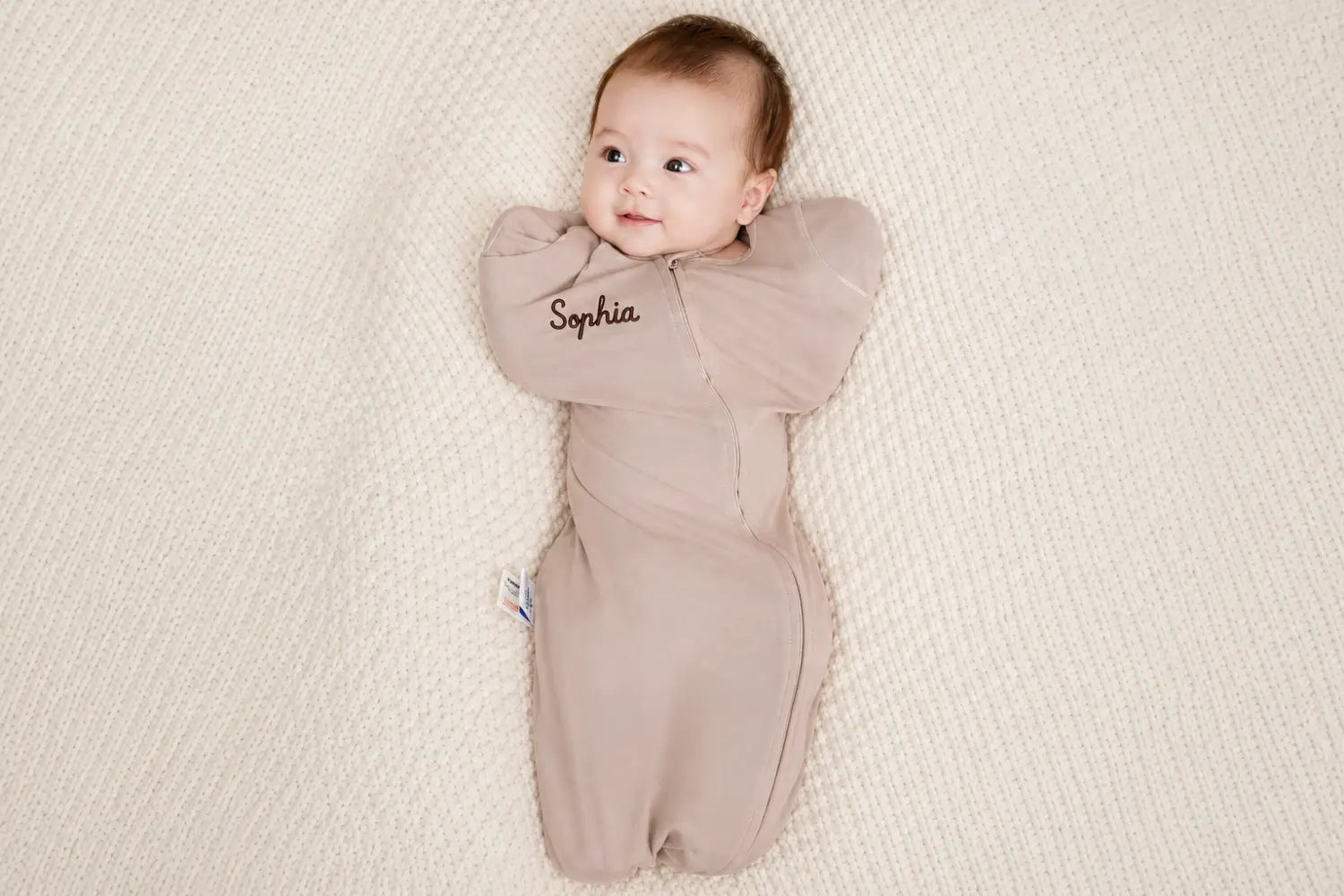
2. Your baby may want a more contained, cozy feeling
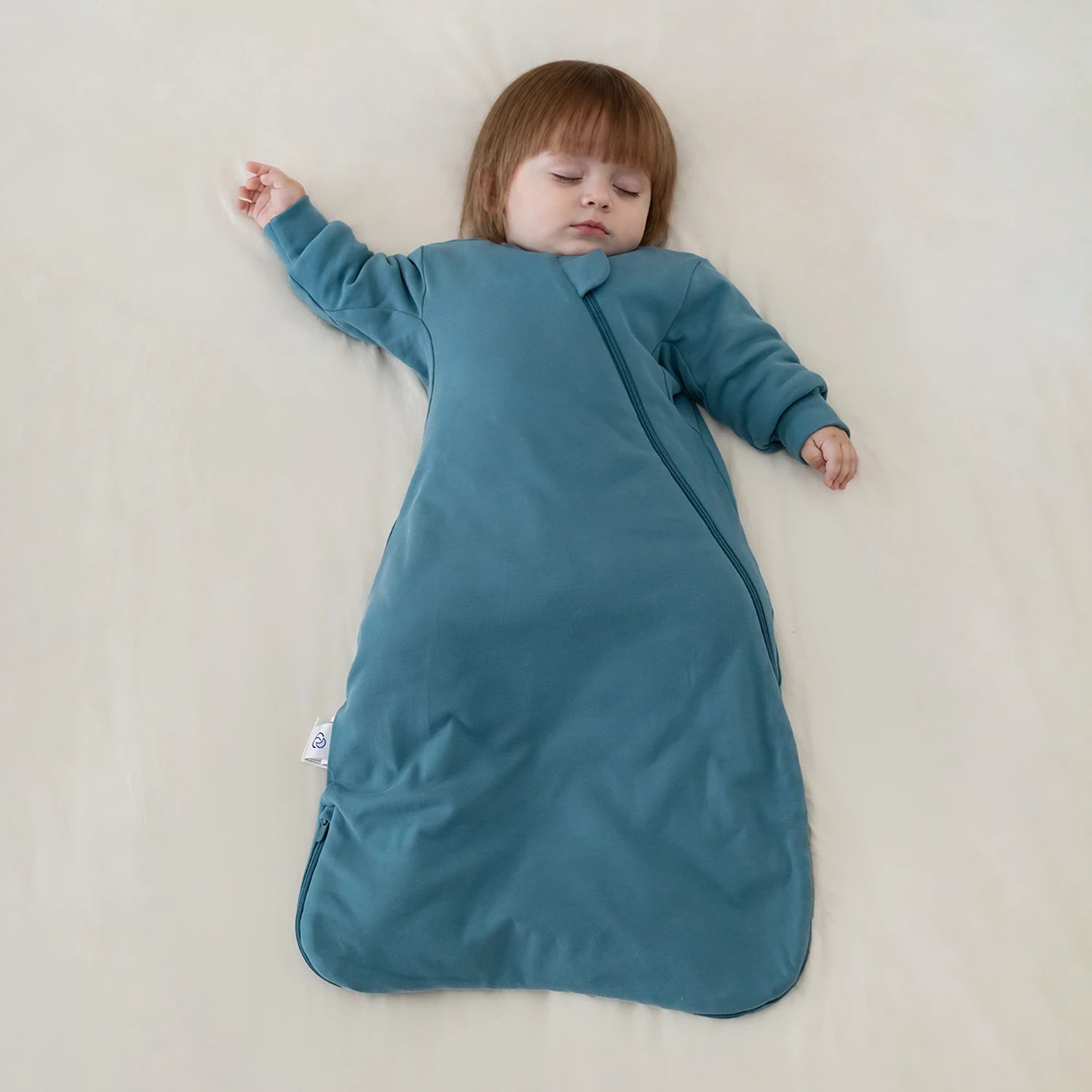
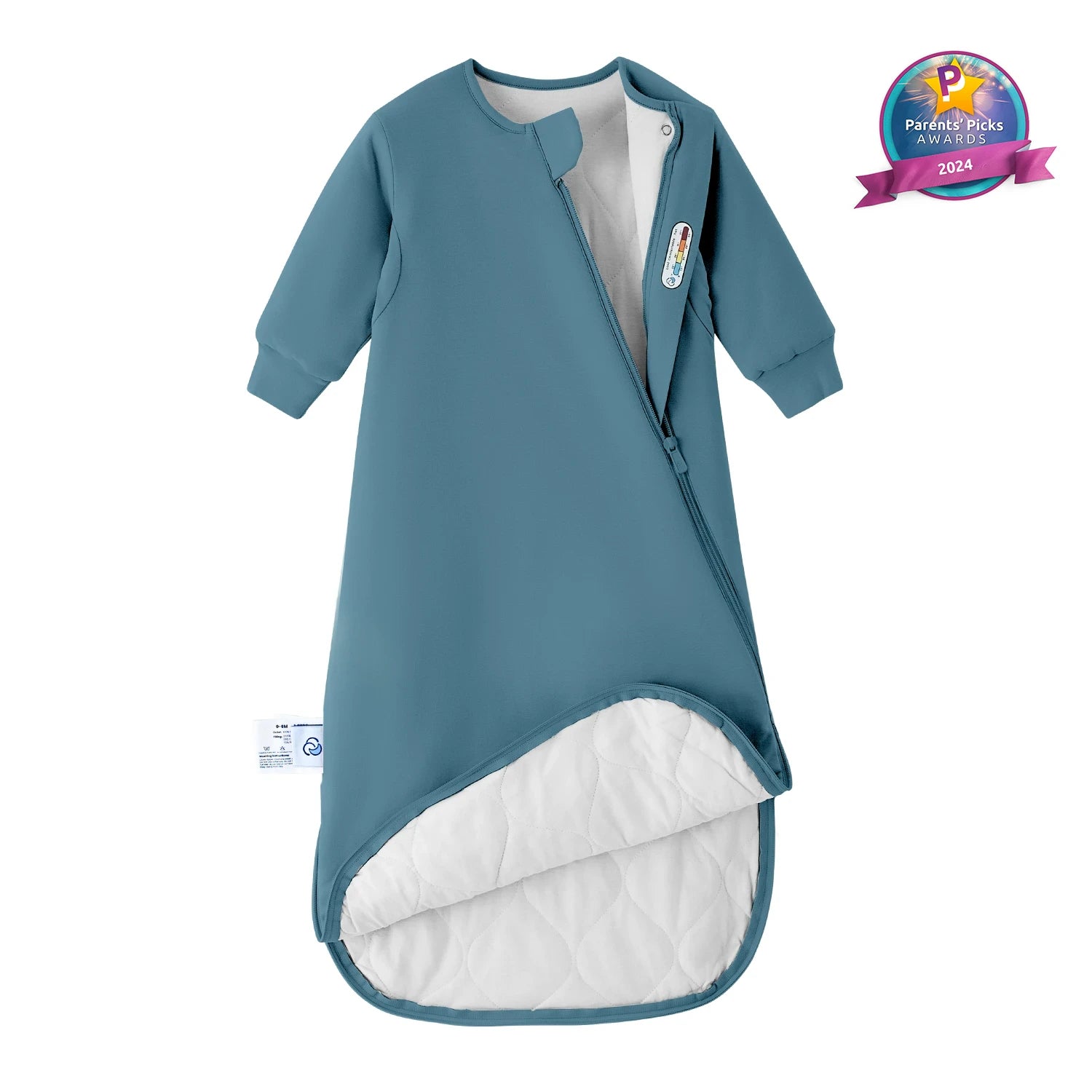
Sometimes, what looks like a preference for tummy sleeping is really a baby who wants to feel more settled and secure. In these moments, simple, well-fitted sleepwear or a sleep sack can help create a comforting bedtime routine without the risks of loose bedding.
3. Your baby may just be overtired, gassy, or going through a rough stretch
Some babies seem to settle better in their tummies simply because they are generally uncomfortable. If your baby is cranky in the evening, hard to soothe, or waking often, sleep position may only be part of the story.
4. You may be in a season where everything feels harder than expected
Many parents find themselves asking this question because they are exhausted—not just a little tired, but deeply bone-weary. That matters. The urge to try tummy sleeping is rarely about carelessness. It often comes from a place of real exhaustion and wanting to help your baby and yourself rest.
If this is where you are right now, please know you are not alone. Many parents have hit that wall. Even so, it is still worth holding onto the back-sleep guideline, even when it feels hard.
Why is tummy time okay, but tummy sleeping is not?
Because tummy time and tummy sleeping serve completely different purposes.
Tummy time is for when the baby is:
-
awake
-
supervised
-
on a safe surface
-
being watched by an alert adult
Tummy sleeping is unsupervised sleep.
That difference is what makes all the difference for safety.
Tummy time is good because it helps babies build:
-
neck strength
-
shoulder strength
-
arm strength
-
body awareness
-
the motor control they later need for rolling and pushing up
In other words, tummy time helps babies build the skills they will need for safer movement later on. But that does not mean they are ready to be placed face down to sleep just yet.
A simple way to remember it is:
-
Tummy time is practice.
-
Back sleeping is the safe default.
When should I start tummy time?
Usually very early, often from the first days at home, as long as the baby is awake and you are right there with them.
It does not have to be a big event. Just a few minutes at a time is enough at first.
If your baby hates tummy time, that is completely normal. Many parents feel stressed when their baby fusses, face-plants, or seems to dislike the whole idea. This does not mean you are failing. It just means you have a real baby with unique preferences.
Short, frequent, low-pressure tummy time usually works better than trying to force a single long session.
What about babies in the NICU or babies I’ve seen sleeping on their stomachs in the hospital?
This is a common source of confusion for parents, and for good reason.
Sometimes babies in medical settings are positioned differently. But that is not the same as routine sleep at home.
In the hospital, there may be:
-
medical supervision
-
monitors
-
a specific clinical reason
-
The staff is watching the baby closely
That is completely different from sleeping at home in a crib or bassinet. If you have seen tummy positioning in a medical setting, it is important not to take that as a signal that tummy sleep is safe for routine sleep at home.
What if older relatives say, “You slept on your stomach, and you were fine”?
This comes up all the time, and usually not in a mean way. Often, it is said to reassure you.
But this is one of those situations where advice changed because we learned more. The guidance for back sleeping became stronger as evidence showed that it could lower the risk of SIDS.
So if someone says, “We did it, and everyone survived,” the kindest answer is probably also the simplest: I know that used to be common, but the advice changed because we know more now.
You do not need to argue, but you also do not need to set aside current safe-sleep guidance simply because things were done differently in the past.
What should I do tonight?
If you are reading this in the middle of a rough stretch, here is the clearest practical version:
If your baby is still young and not rolling both ways:
-
Place the baby on its back for every sleep.
-
Do not put the baby down on its stomach to sleep.
-
Use tummy time only while the baby is awake and supervised.
If your baby rolls onto the stomach independently:
-
still start sleeping on the back
-
Keep the crib clear and safe.
-
If the baby rolls there on their own and can roll both ways, you usually do not need to keep turning them back.
If you are tempted to use tummy sleep because it seems to work better:
-
Pause and ask what problem you are really trying to solve
-
look at routine, sleepwear, swaddle stage, overtiredness, gas, or comfort
-
Keep the safe-sleep foundation simple, even if sleep is hard right now.
This may not be the magic answer that exhausted parents are hoping for, but it is the most helpful and safest guidance we have.
What changes once my baby can roll?
This is the part many parents want clarified, because it is where the guidance shifts.
There is a big difference between:
-
placing a baby on their stomach to sleep
-
finding that they rolled there on their own
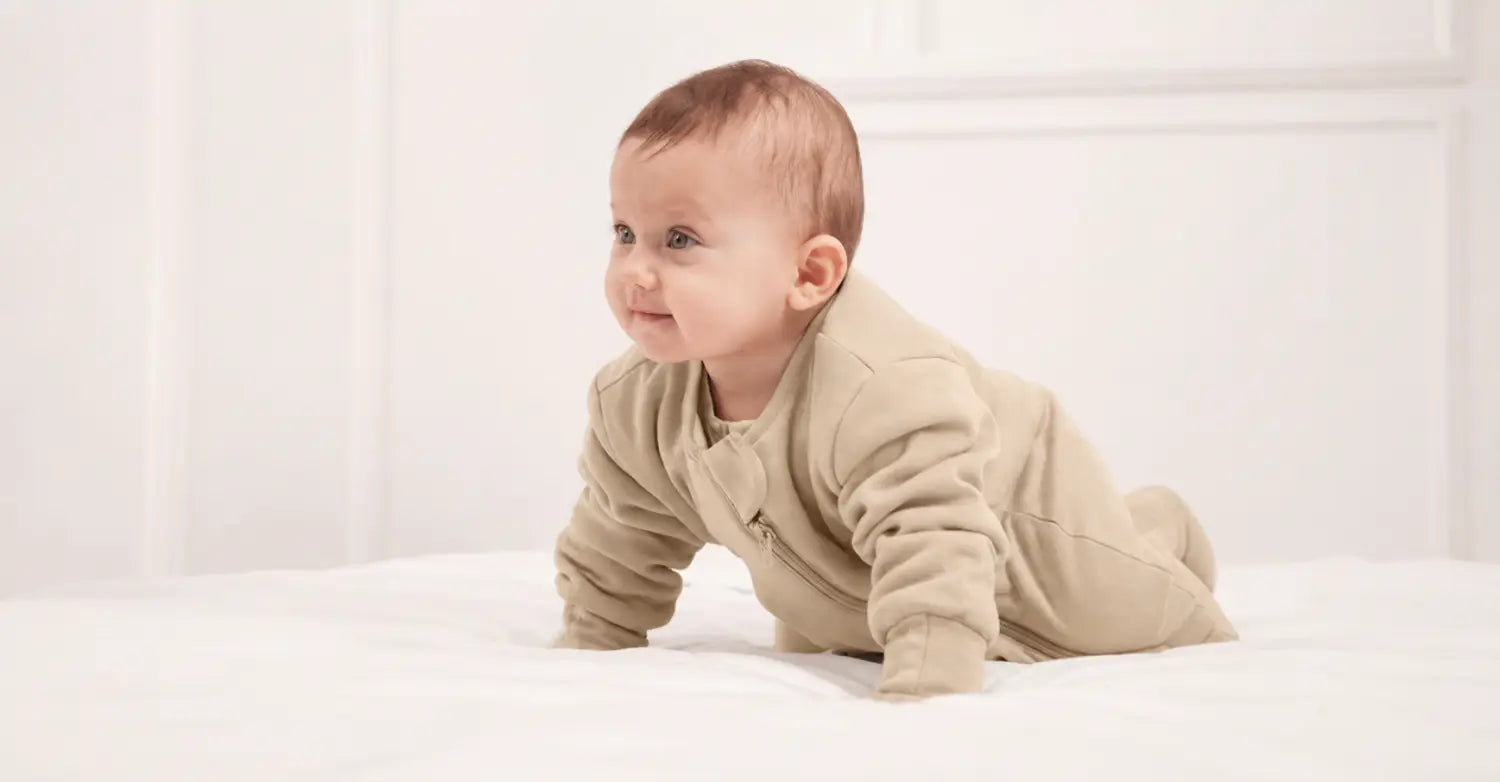
If your baby can roll from back to tummy and tummy to back on their own, and you placed them on their back to start with, then it is generally okay to let them stay in the position they choose.
This is often the most reassuring part for parents. You do not usually have to stand by the crib all night, turning your rolling baby back over every time.
But the safe-sleep routine still starts the same way:
-
Place the baby on its back.
-
Use a firm, flat mattress.
-
Keep the sleep space clear.
This was one of the most helpful points parents shared in the Reddit thread as well. Many kept coming back to the same distinction: they would not put a young baby on its stomach, but if an older baby rolls onto its stomach on its own, that is a different situation.
That is exactly right.
How do I know if my baby is strong enough for that difference to matter?
A baby is usually getting into that safer rolling stage when you can clearly see:
-
They roll both ways consistently.
-
They can push up well during tummy time.
-
They can reposition themselves in the crib.
-
They are not stuck in one position.
This stage often happens around 6 months, but not always at the same time for every baby. Some reach it earlier, some a bit later.
The important thing is not the exact calendar date. What matters most is whether your baby can move independently and with confidence.
Conclusion
The reason babies cannot sleep on their stomachs in the early months is not that parents are wrong to ask their babies to sleep on their backs. It is because young babies are still vulnerable in ways that are easy to underestimate, especially when they look so calm and comfortable face down.
That is what makes this such a difficult topic. The option that appears to help sleep can sometimes pose a greater risk for young babies.
If you are feeling torn, here is the clearest version to hold onto:
-
Tummy time is good
-
Tummy sleeping is different.
-
Back sleeping is the safest place to start.
-
Once the baby rolls both ways independently, the conversation changes.
FAQs
1. Can I let my 2-month-old sleep on their stomach if I am watching?
For routine sleep, no. If the baby is asleep, the safest standard position is still on the back. Awake tummy time while you are actively supervising is different.
2. My baby sleeps so much better on the stomach. Am I doing something wrong?
No. You are noticing a real thing. Some babies do seem to settle better that way. The issue is not your observation. The issue is that, for a young baby, the safer option is still the back.
3. If my baby rolls onto the stomach at night, should I panic?
No. If the baby can roll both ways independently and get there on their own, that is a different situation from putting them there in the first place.
4. Is side sleeping a good compromise?
Not really. Side sleeping is not considered a stable, safe sleep position for young babies because they can easily roll from the side onto their stomachs.
Best Sellers




Read more
When do Babies Start Teething?
Every parent wonders about it - those little pearly whites that will soon emerge from smiling baby gums. Teething is an important milestone in an infant's development, yet it can also cause discomf...
Read more
Understanding Baby Sleep Cycles and Development
How to Help the Baby to Connect Sleep Cycle? If you've ever tiptoed out of your baby's room, barely breathing, only to hear them cry 45 minutes later, you're not alone. The 45-minute nap is not a s...
Read more
Leave a comment
This site is protected by hCaptcha and the hCaptcha Privacy Policy and Terms of Service apply.