


Which Sleep Position Is Safe For Babies?


In the realm of infant care, ensuring a safe and comfortable sleep environment is paramount. Thanks to safe, sound sleep in a cozy environment, our babies can grow both physically and mentally.
Hence, it's our priority as parents to make sure our little one sleeps safely in the correct position. Here are the common questions that parents often ponder when discussing the safest and best sleeping position for babies:
- Which sleep position is the best for babies?
- What is the best sleeping position for the baby with a stuffy nose?
- What is the best sleeping position for a colicky baby?
- What is the best sleeping position for the teething baby?
- What is the best sleeping position for the gassy baby?
- Can newborns sleep on their side?
- Can newborns sleep on their tummies?
In this post, we aim to explore the best and safest sleeping positions for babies, whether they are sick or well, across different developmental stages. You can rest assured since all the content involved is based on professional pediatric groups and healthcare.
What is the safe sleeping position for babies?
You may wonder whether you should place the infant on its back, stomach, or side for safe and sound sleep. Well, through our rigorous and careful studies, the back position is highly recommended. Let's figure out the reason.
Back Sleeping
Back sleeping, where babies are placed on their backs to sleep, is widely endorsed by pediatricians and healthcare organizations.
According to the American Academy of Pediatrics (AAP), placing babies on their backs to sleep is the single most effective action to reduce the risk of sudden infant death syndrome(SIDS). Research studies have consistently shown that sleeping on the back significantly reduces the incidence of SIDS, making it the most recommended sleep position for infants.
Why is sleeping on a baby's back a recommended sleep position?
Sleeping on their back is the safest position for your baby. It helps keep their airway clear, lowers the risk of suffocation and SIDS, reduces the chance of overheating, and makes it easier for you to keep an eye on them while they sleep.
On top of that, the back-sleeping position can help reduce pressure on the baby's head, which likely lowers the incidence of flat-head syndrome.
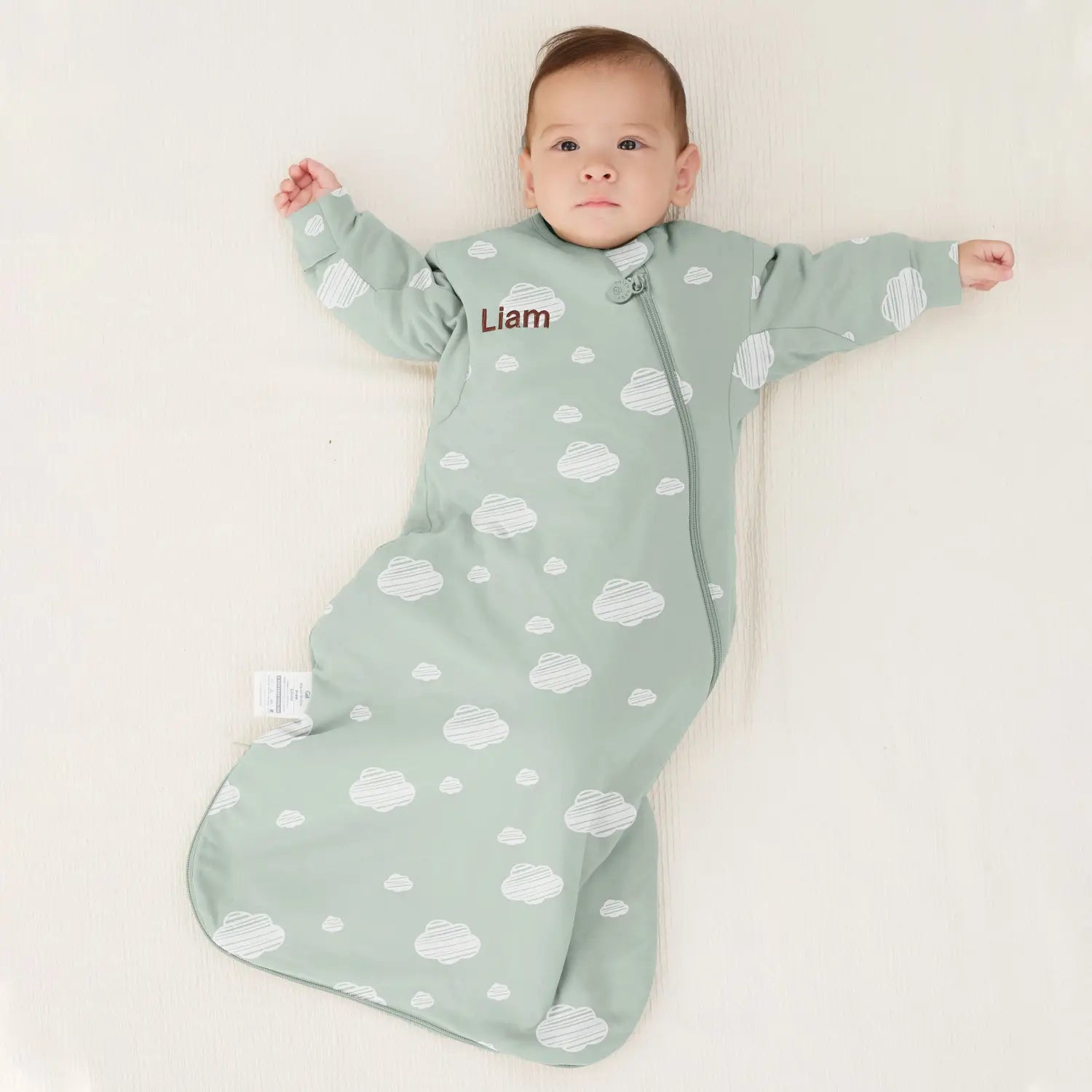
Although so many benefits, here are some tips that parents should pay attention to when babies are in the back sleeping position:
- Back sleeping may lead to an increased risk of aspiration if the baby regurgitates or spits up during sleep.
- Improper positioning or inadequate support during back sleeping may lead to misalignment of the baby's spine or hips. But don't worry, this risk can be mitigated by using a firm and flat sleep surface.
Side Sleeping
While back sleeping is the preferred position for most infants, some parents may wonder about the viability of side sleeping.
Side sleeping refers to placing babies on their sides to sleep, supported by rolled-up towels or positioning devices.
However, healthcare professionals generally advise against side sleeping due to safety concerns. Side sleeping increases the risk of babies rolling onto their stomachs, which is associated with a higher risk of SIDS. Therefore, the AAP and other health organizations recommend against side sleeping as a routine practice for infants.
Elevated Sleeping
Elevated sleeping involves positioning the baby at a slight incline, often using specialized sleep wedges or pillows. This position is sometimes recommended for babies with gastroesophageal reflux disease(GERD) or other medical conditions that cause discomfort when lying flat.
While elevated sleep may provide temporary relief from symptoms, it's essential to exercise caution and consult a healthcare professional before adopting this practice.
Improper positioning or the use of unsuitable equipment can increase the risk of suffocation or positional asphyxiation.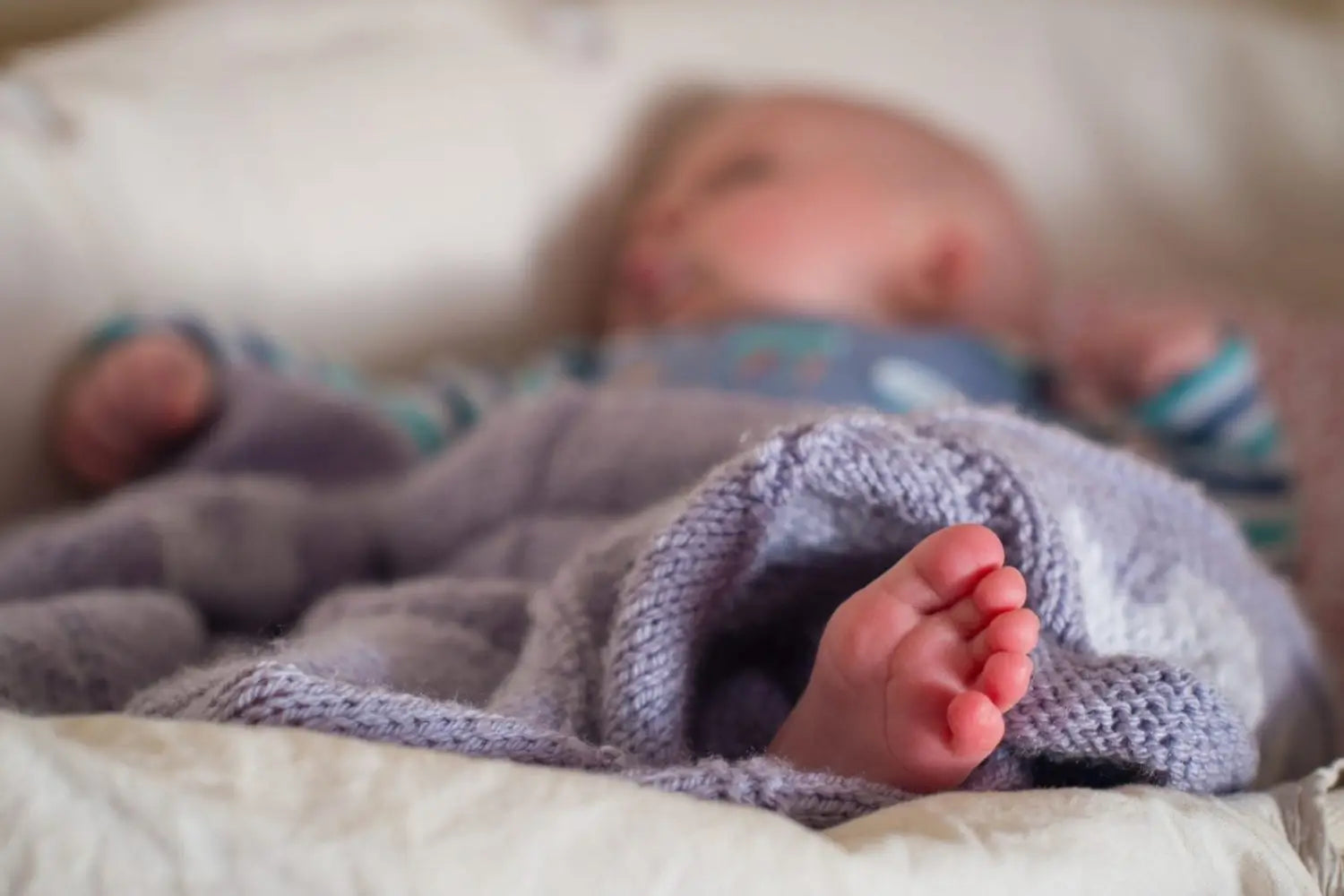
Sleeping on the stomach
When babies sleep on their stomachs, it's known as prone sleeping. While this position was once commonly practiced, it's now discouraged due to the increased risk of Sudden Infant Death Syndrome(SIDS).
Research has shown that babies who sleep on their stomachs have a higher incidence of SIDS compared to those who sleep on their backs.
Why is sleeping on the stomach dangerous for babies?
Stomach sleeping is unsafe and not recommended because it hinders proper breathing and increases the risk of suffocation. Once babies sleep with their faces down, they are prone to being muffled by sheets or overheating, while caregivers might not have noticed in time.
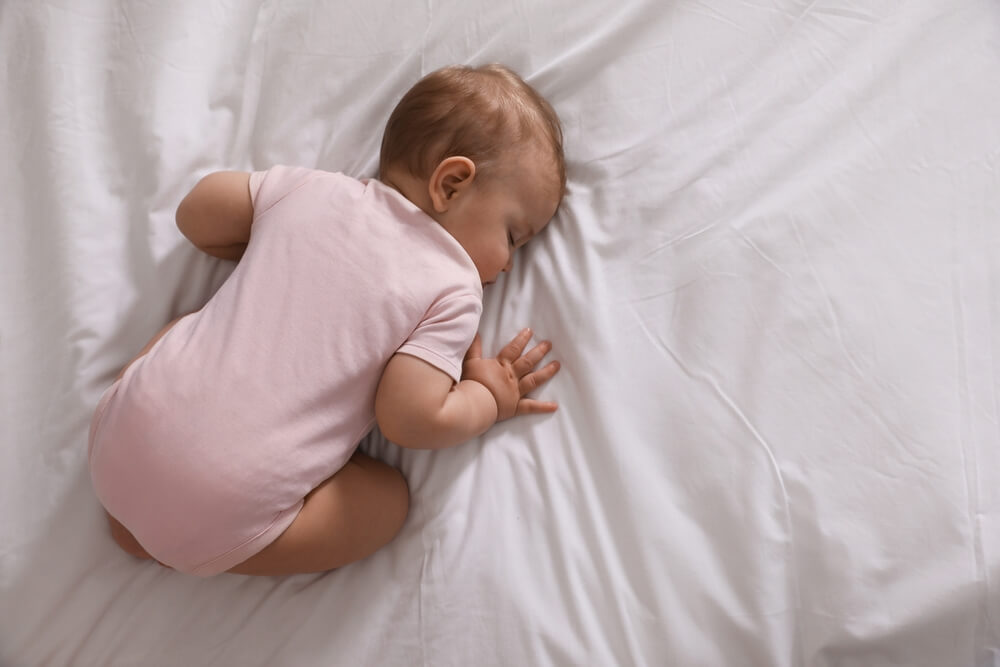
However, babies can typically begin sleeping on their stomachs once they have developed the strength and coordination to roll independently from their back to their stomach and vice versa. This milestone usually occurs around 4 to 6 months of age.
It's worth noting that parents should place babies in the back-sleeping position until they are at least 1 year old, based on the recommendation of the American Academy of Pediatrics (AAP). This helps reduce the risk of Sudden Infant Death Syndrome(SIDS) and ensures a safe sleep environment for the baby.
Safe Sleep Practices
Regardless of the chosen sleep position, adhering to safe sleep practices is crucial for reducing the risk of SIDS and promoting healthy sleep habits for babies. Some key guidelines include:
- Always place babies on their backs to sleep in naps and at night.
- Use a firm and flat sleep surface, such as a crib mattress, covered with a fitted sheet.
- Avoid soft bedding, loose blankets, pillows, or toys in the sleeping area, as they pose suffocation hazards.
- Ensure that the baby's sleep environment is free of tobacco smoke since this increases the risk of SIDS.
- Room-sharing but not bed-sharing. The baby sleeps in the same room as the parents but in a separate crib, which is recommended for the first six to twelve months of life.
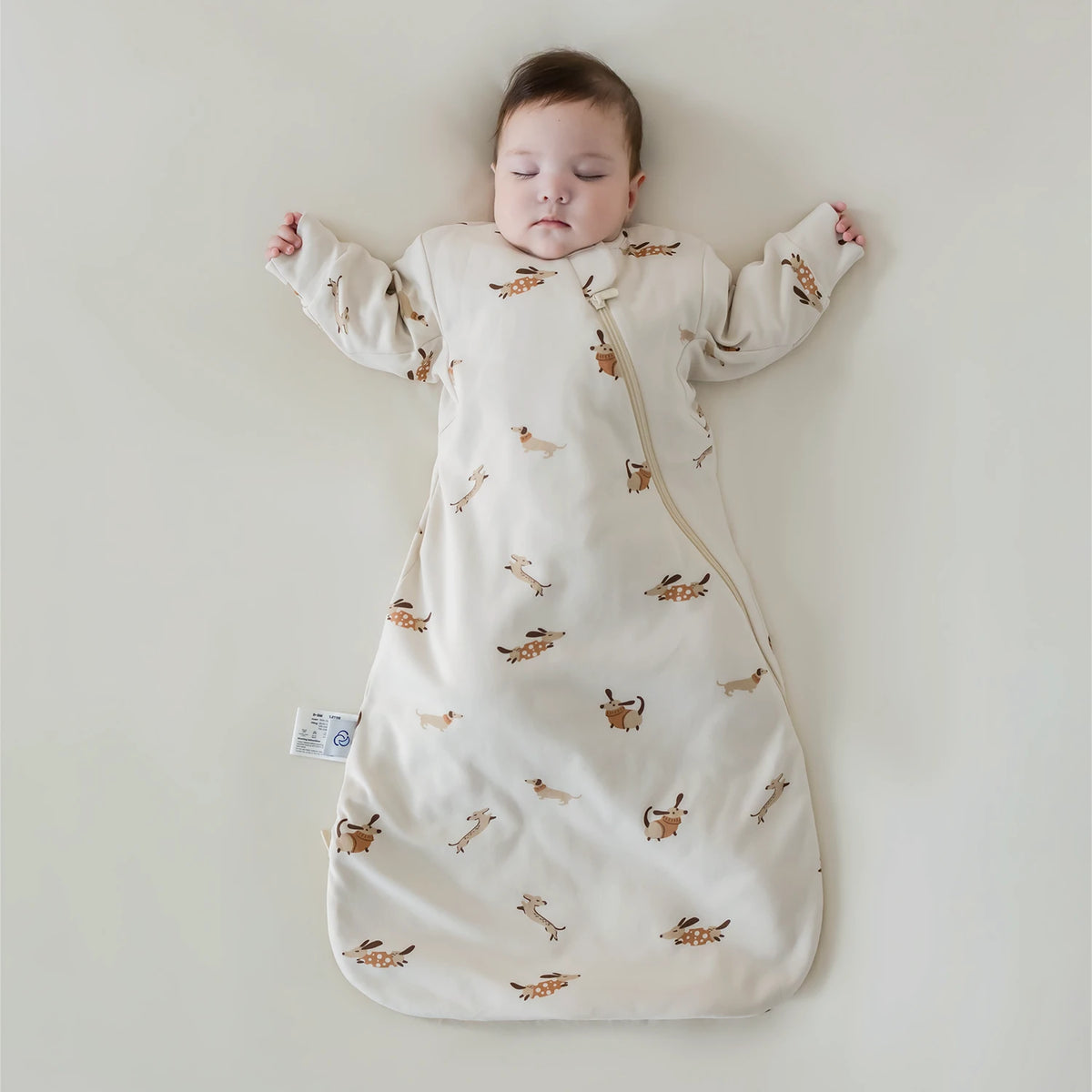
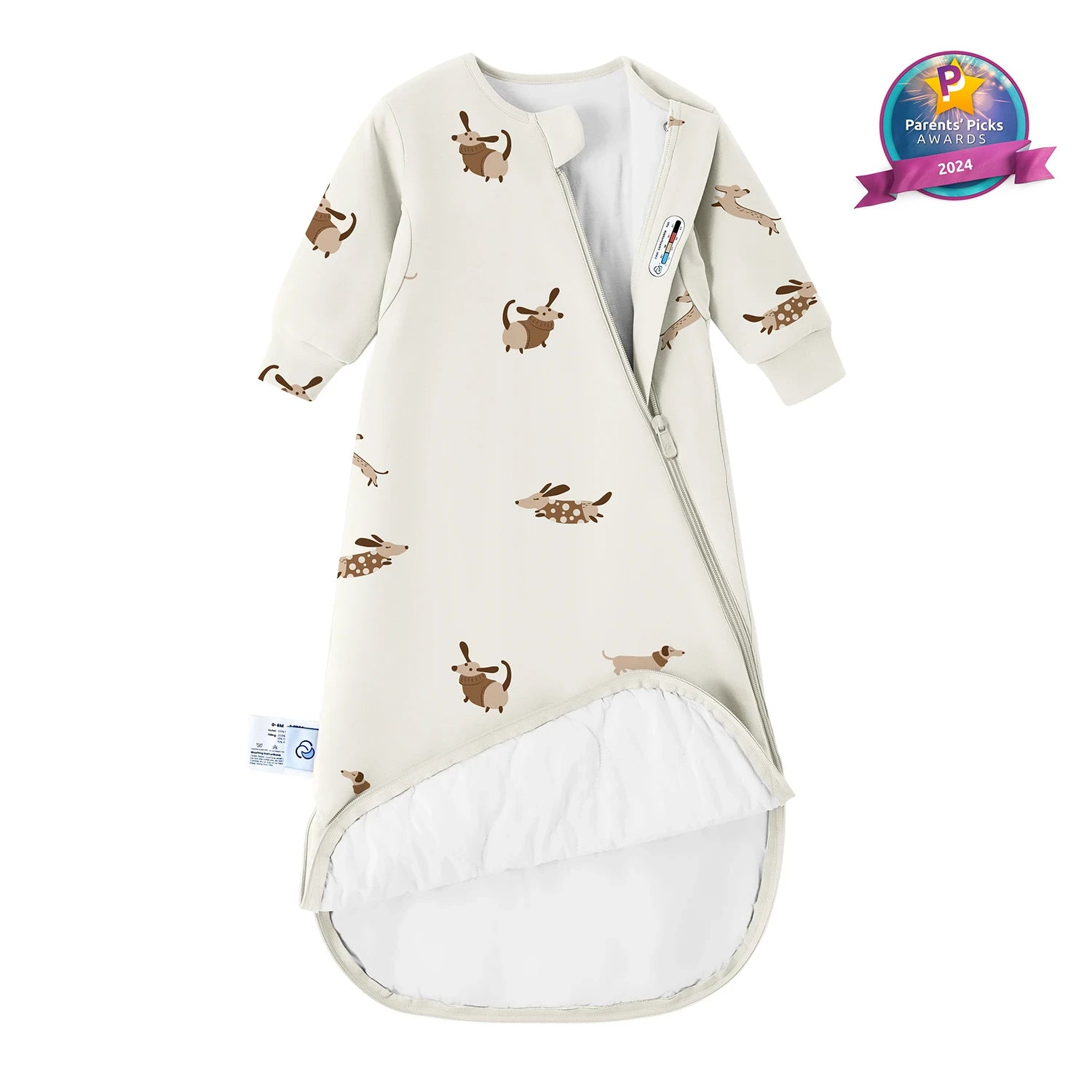
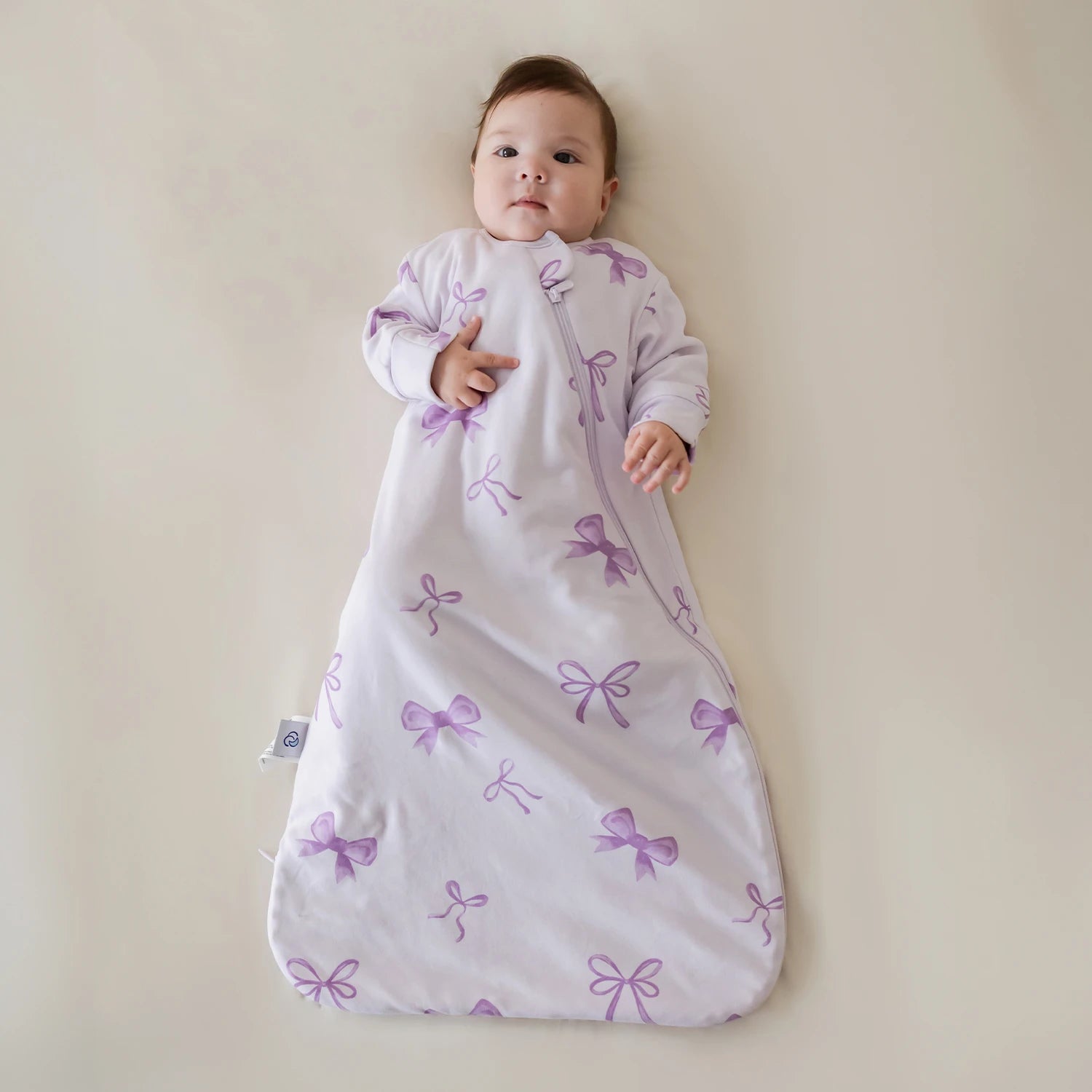
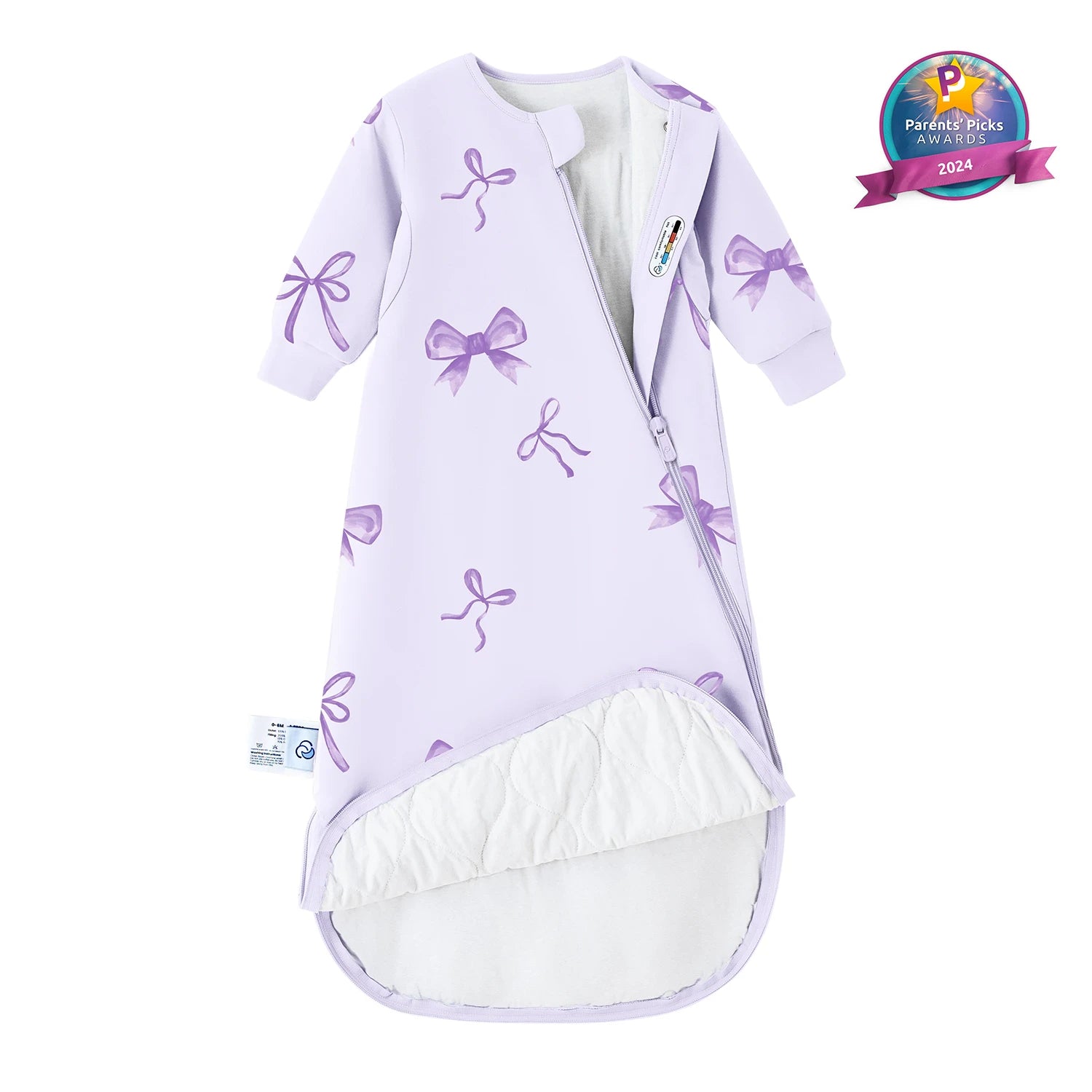
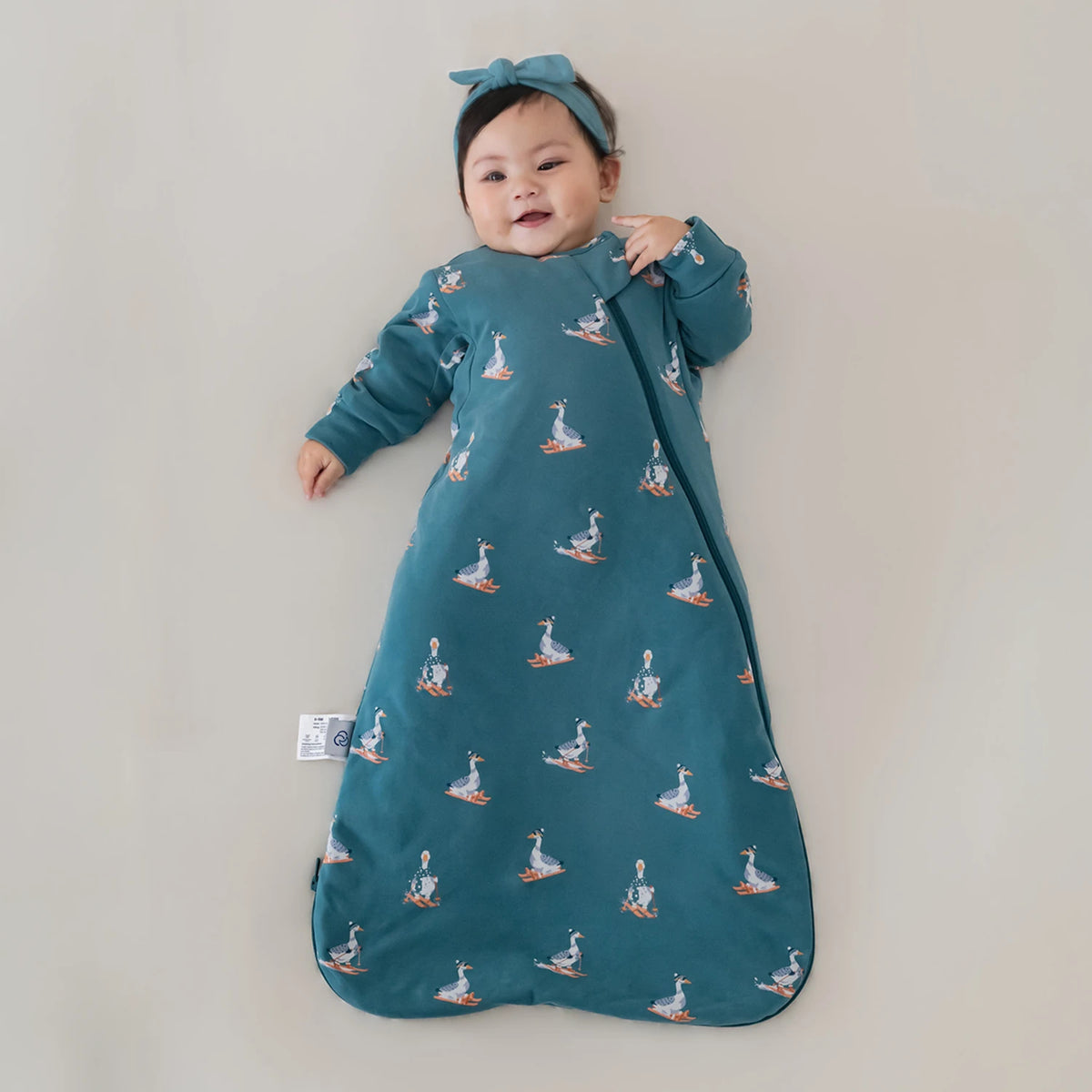
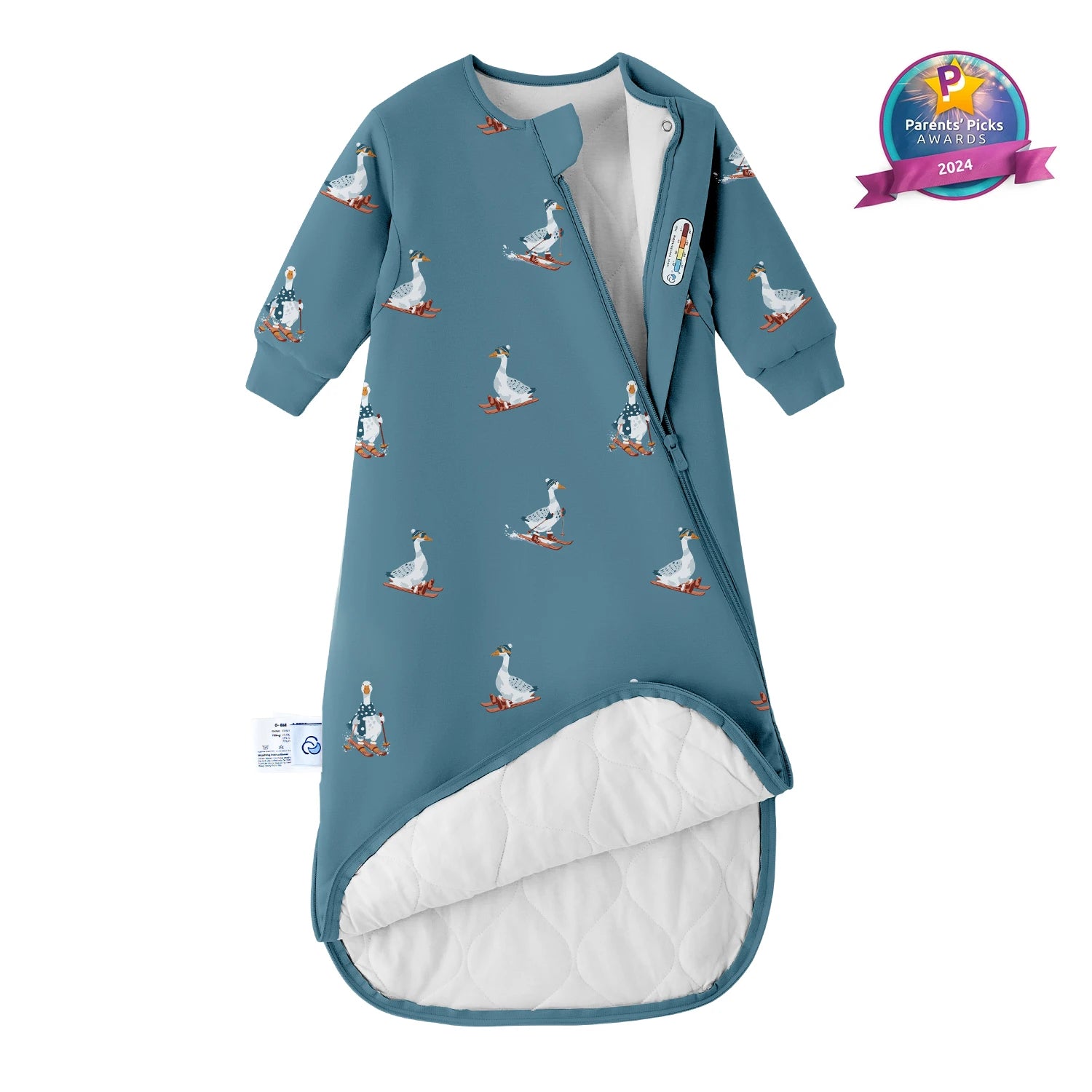
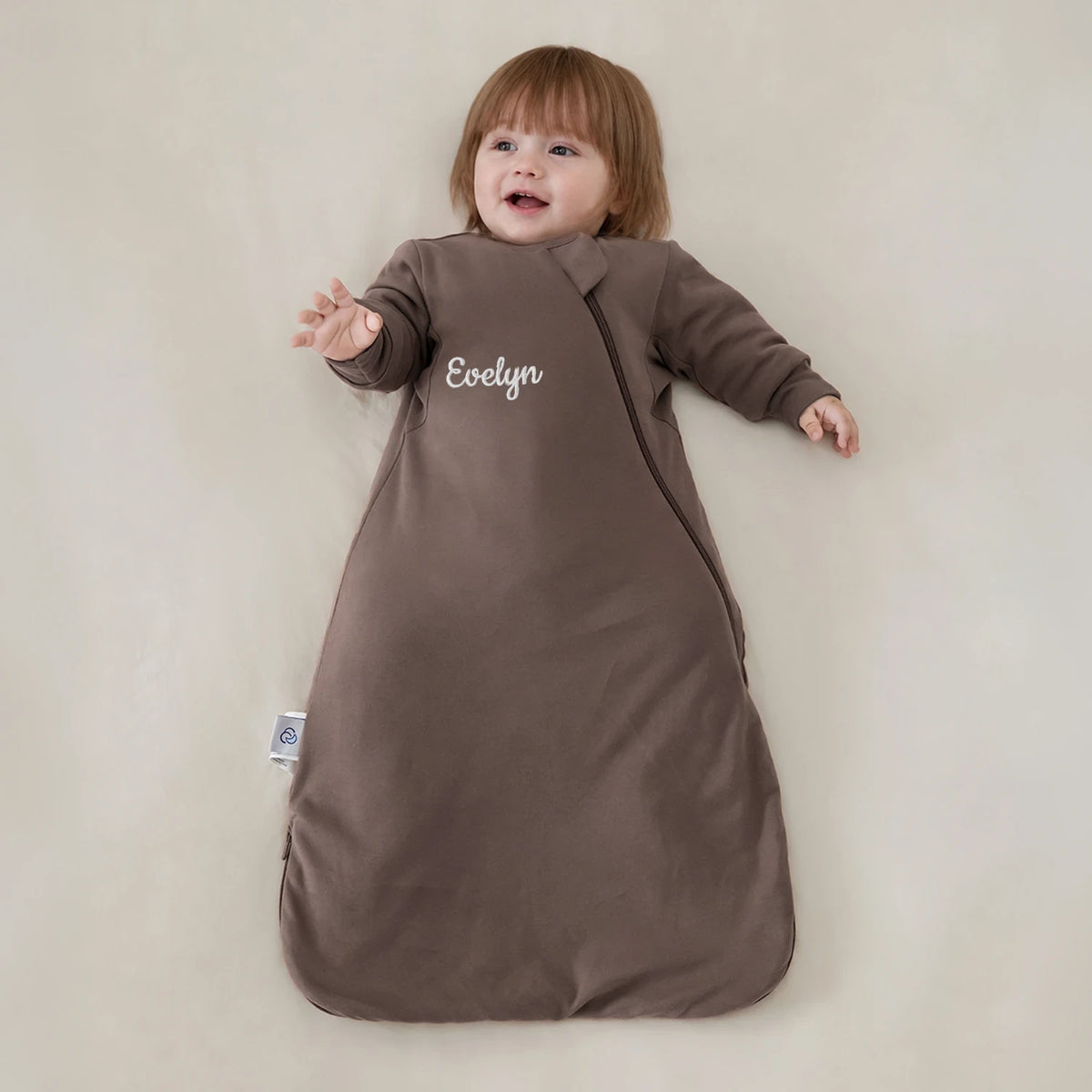
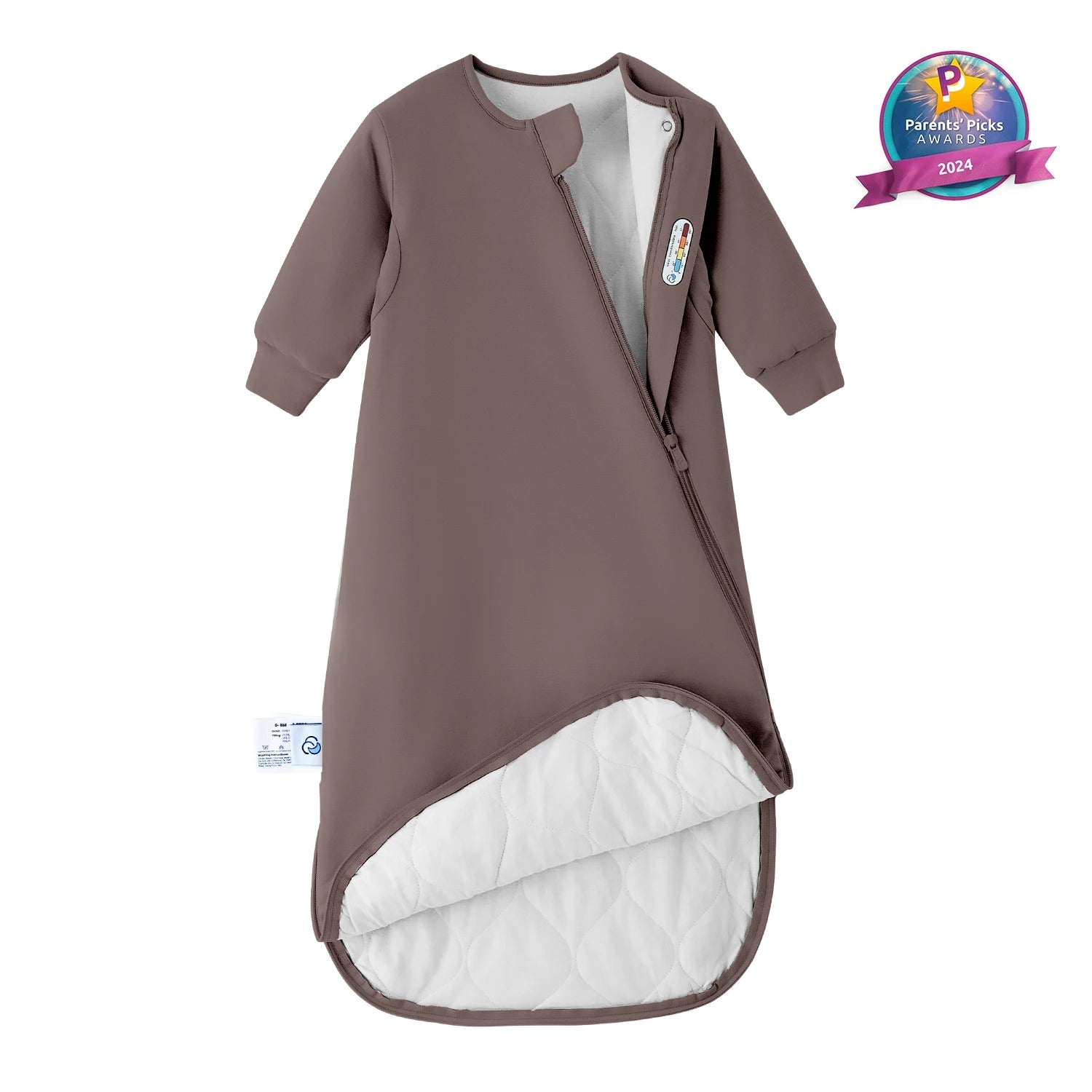
- Use a suitable sleep sack: Kaiya Baby offers multiple styles of sleep sacks for babies in different stages: swaddling, transitional, and independent sleep. Each sleepwear set includes a temperature-sensing sticker that tells you how the baby feels about the temperature, freeing you from touching the baby's neck to check the temperature time and time again.
Conclusion
In conclusion, back sleeping is the recommended sleep position for babies, as it significantly reduces the risk of SIDS and promotes safe sleep practices. While side and elevated sleeping may have specific circumstances where they are appropriate, it's essential to prioritize safety and consult with healthcare professionals before deviating from the recommended back-sleeping position.
By following evidence-based guidelines and implementing safe sleep practices, parents can provide their babies with a secure, comfortable sleep environment conducive to healthy development and restful sleep.
FAQ
Q: What is the best sleeping position for the baby with a stuffy nose?
A: The best sleeping position for a baby with a stuffy nose is still on their back. Back sleeping is the safest choice and helps parents monitor their little one more easily while they rest. To help babies feel more comfortable, you can use a cool-mist humidifier, saline drops, or gentle nasal suction before sleep.
Q: What is the best sleeping position for a colicky baby?
A: Back sleeping position is the best for the colicky baby, although colic makes it more difficult to sleep. To help sooth you baby, some comforting routines are recommended here, such as gentle rocking, burping, or holding them upright after feeding before placing them down on their back.
Q: What is the best sleeping position for the teething baby?
A: Sleeping on their back is always the most recommended from the perspective of safety, even when the baby is in teeth development. Teething makes the little one fussy. You can try a gentle gum massage to help them feel more comfortable before winding them down.
Q: What is the best sleeping position for the gassy baby?
A: Placing the gassy baby in the back sleep position. To relieve the baby's pain, try burping when and after feeding, or hold your baby upright for a little while after feeding. Also, give the baby some tummy time or bicycle legs when they're awake.
Best Sellers

Read more
Baby Won't Sleep Without Swaddle But Rolls Over
If your baby has started rolling and still screams the moment the swaddle comes off, you are in the hardest week of infant sleep, and you have not done anything wrong. Here is the short answer: onc...
Read more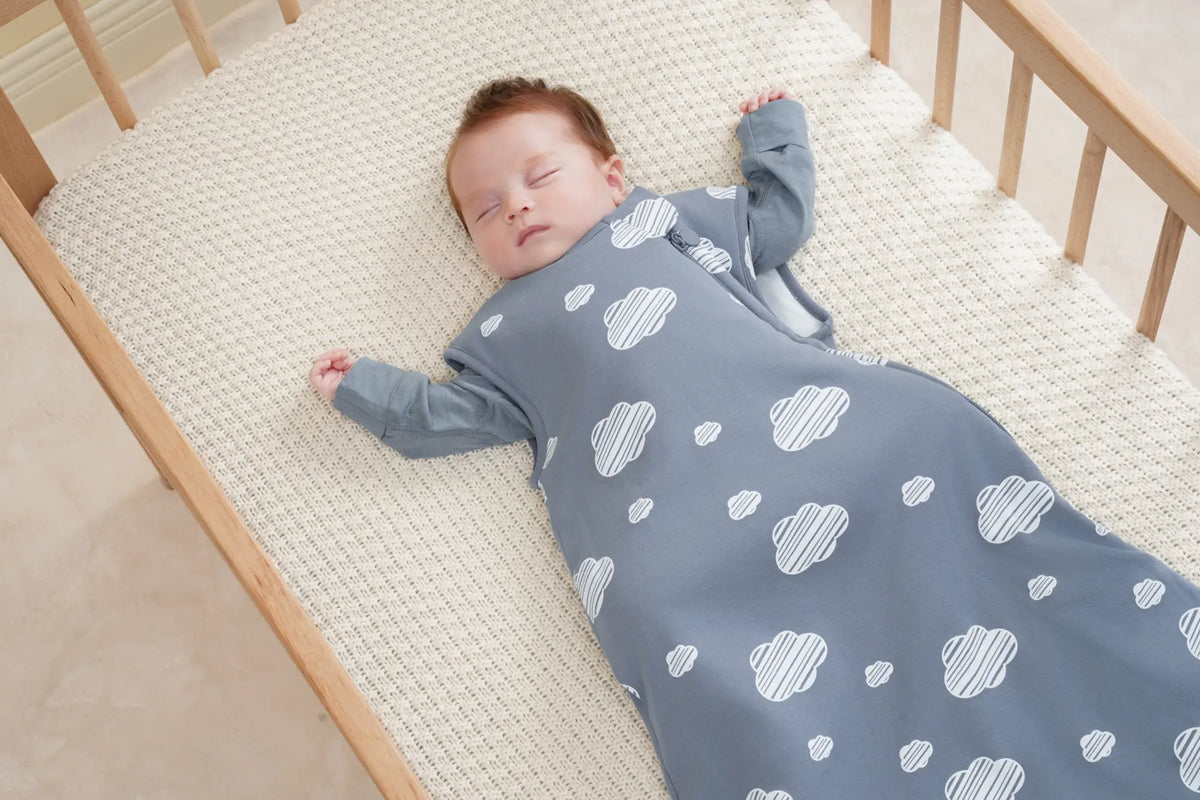
Why Does My Baby Always Move to the Edge of Crib?
Normal sleep movement and developing motor skills can carry a baby toward the edge, corner, side, or top of the crib, and this is common at every age. Position alone usually matters less than thre...
Read more
Leave a comment
This site is protected by hCaptcha and the hCaptcha Privacy Policy and Terms of Service apply.