


When to Stop Swaddling Your Baby?


Stop swaddling at the first sign your baby is trying to roll. Trying is the signal, not managing it. A baby who rolls toward their side, or who arches and twists as though working toward it, has reached the end of swaddling even though they have not completed a roll.
Most babies reach that point between two and four months, and some are there closer to two. The signal is what your baby does rather than how old they are, which is why two babies born the same week can need different answers.
Signs it is time to stop swaddling
These five changes can help you decide whether swaddling still suits your baby. The first two need attention before the next sleep. The other three give you a reason to start planning the change.
Your baby is trying to roll. Rolling toward their side or stomach during sleep, or turning over during floor time, or arching and twisting as though working toward it. This ends swaddling from the next sleep onward, naps included.
They break out of the wrap. A baby who works an arm loose most nights, or unravels the blanket by morning, leaves loose fabric near the face. That is a problem for the next sleep, not for next week.
They push up during tummy time. Lifting the chest off the floor with their hands takes the arm strength a roll needs.
They fight being wrapped. Sudden arching, resisting, or crying at a step that used to settle them. This often shows up before any rolling does.
The startle reflex is fading. The Moro reflex is what the swaddle was suppressing. As it weakens, the wrap is doing less of a job, and the arms have more reason to be free.
The distinction matters when you decide what to do next. If your baby is trying to roll, swaddling ends before the next sleep, whether that is a nap or bedtime.
If the only problem is a loose wrap and there has been no sign of trying to roll, deal with the loose fabric by correcting the wrapping or moving on. The other changes leave room to plan, while watching for attempts to roll.
Why the timing is tied to rolling
Parents ask why rolling is the line rather than an age. The American Academy of Pediatrics puts the end of swaddling at the point where a baby shows signs of trying to roll, because wrapping limits how they can move.
A swaddle holds your baby's arms against their body. If they end up face down, their arms are what they would use to move their head or shift position, and a wrapped baby has much less ability to do either. That is why the guidance is written around rolling rather than around a birthday, and why the line sits at the first sign of trying rather than at a completed roll.
Stopping swaddling changes the clothing, not the rest of the sleep setup. Keep placing your baby on their back for every sleep, on a firm, flat surface with nothing loose in the crib. Even with free arms, a baby who can roll may not be able to get themselves out of an unsafe position.
You do not need to wait for a roll from back to tummy. If your baby has rolled from tummy to back, that already meets the stopping rule. A first roll can also happen in the crib before you have seen one during floor time, which is why watching for attempts matters more than waiting for a completed roll.
Swaddling sits inside a wider set of safe sleep habits, and we cover those in our guide to reducing the risk of SIDS.
How much of the day is a newborn swaddled?
While swaddling is still in use, newborns spend a lot of the day in it, and that is expected. Newborns sleep for most of the day, and a swaddle used for every sleep will be on for most of it.
What matters is the boundary rather than the total. Swaddle for sleep and unwrap for everything else. Feeds, changes, and floor time all need free arms, and tummy time is where the arm strength for rolling develops. A baby kept wrapped through their waking hours gets less of the practice that eventually ends swaddling safely.
A newborn can also sleep without being swaddled. Swaddling is optional, so you can stop before your baby shows any sign of trying to roll, or choose not to start. The rolling rule tells you when swaddling must end, not the earliest you are allowed to stop.
Three ways to move out of the swaddle
When you are ready to stop swaddling, it helps to separate the timing from the method. Whether you can make the change gradually depends on one question: has your baby shown any sign of trying to roll?
Cold turkey. Stop swaddling from the next sleep and use a garment or mode that leaves the arms and body free to move. If any sign of trying to roll has appeared, this immediate change is the only option; there is no gradual arms-in stage. You can use a sleep sack that does not swaddle, or the ClimaCuddle® arms free mode described below.
One arm out. Use this only if there has been no sign of your baby trying to roll. Begin with one arm out, then move to both arms out before ending the swaddling mode altogether. This changes one part of the familiar setup at a time. If an attempt to roll appears during the process, stop swaddling before the next sleep rather than finishing the gradual transition.
Naps first. Use this only if there has been no sign of your baby trying to roll. Practice sleeping without the swaddle during naps, then move to nights. Starting in the daytime may be easier to arrange around your household. If your baby starts trying to roll, both naps and nights need to be unswaddled from the next sleep.
Product names can make this sound more complicated than it is. Arms up still means swaddled if the fabric holds the arms in that position. Arms out describes the arm position, but you also need to know whether the garment still wraps or compresses the chest and body.
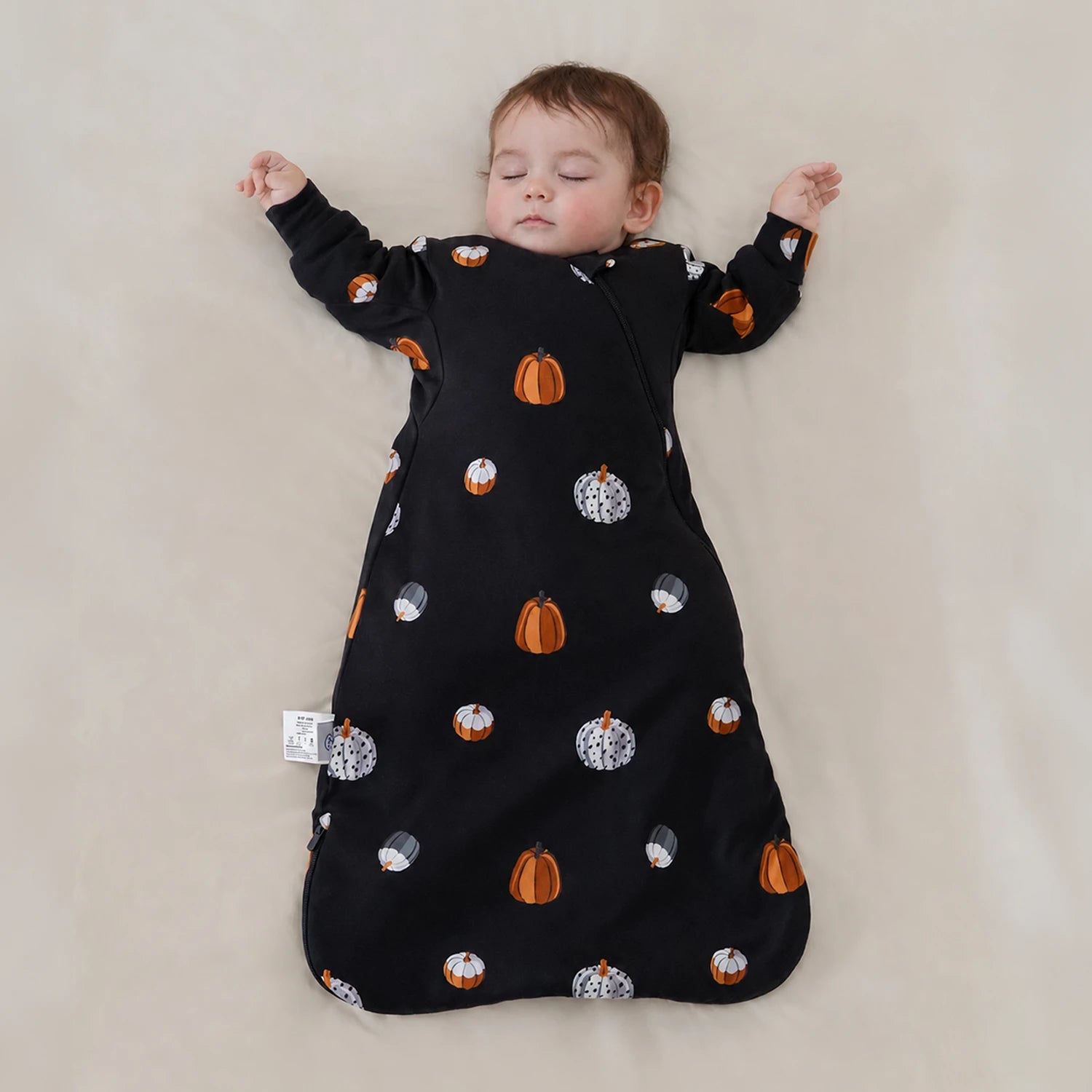
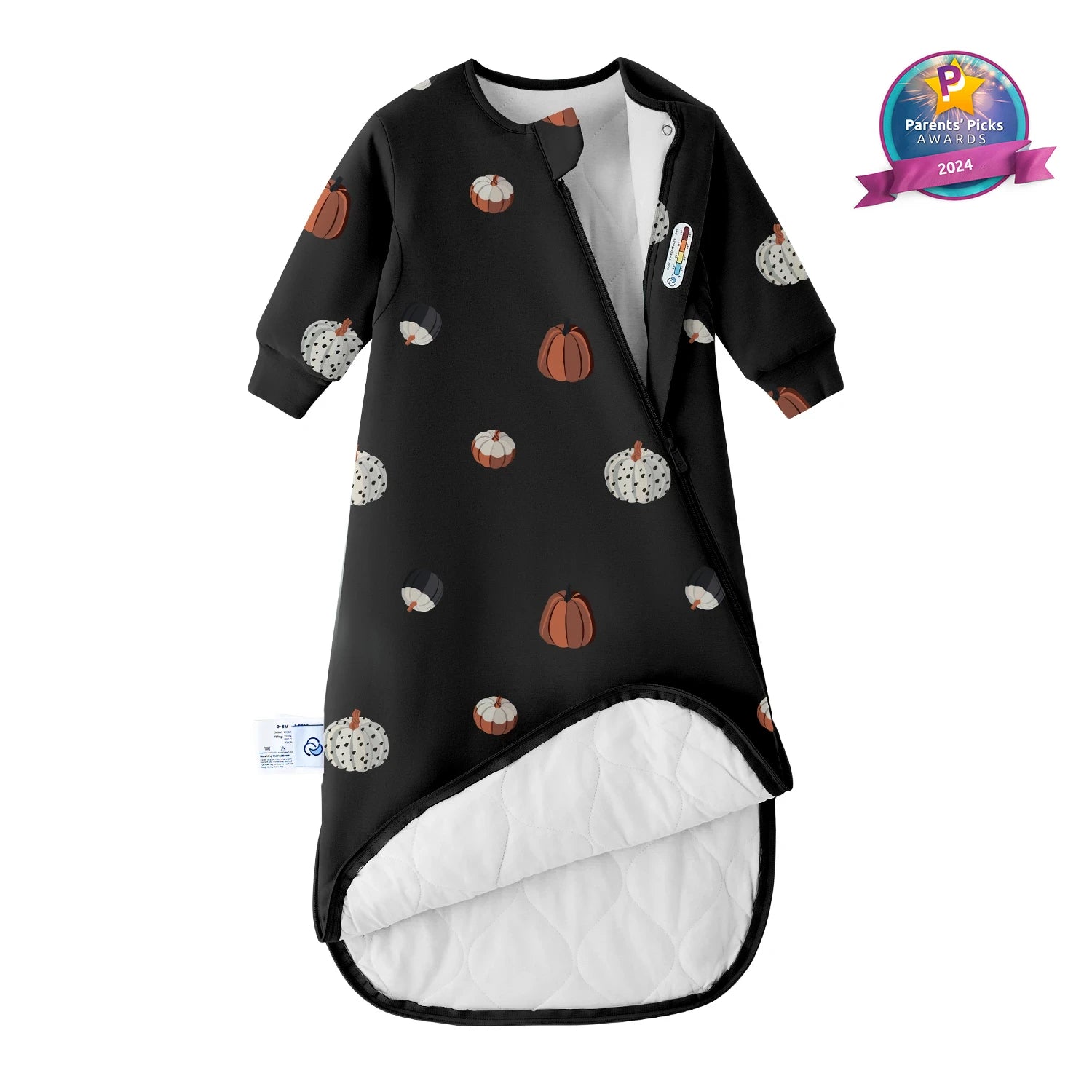
A long-sleeve sleep sack is different from an arms-in swaddle: sleeves can cover the arms without holding them against the torso. Our swaddle versus sleep sack comparison looks at the differences between the types.
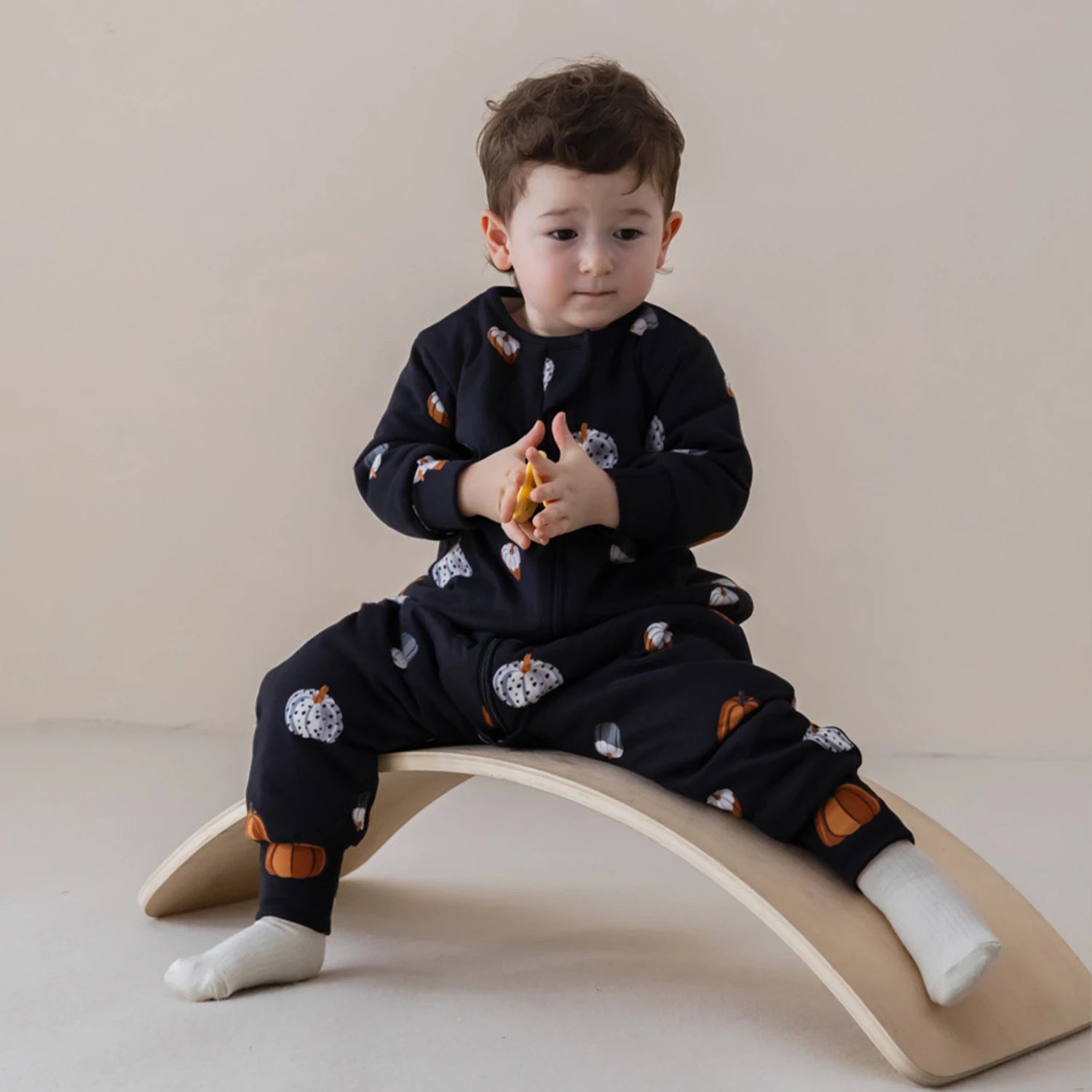
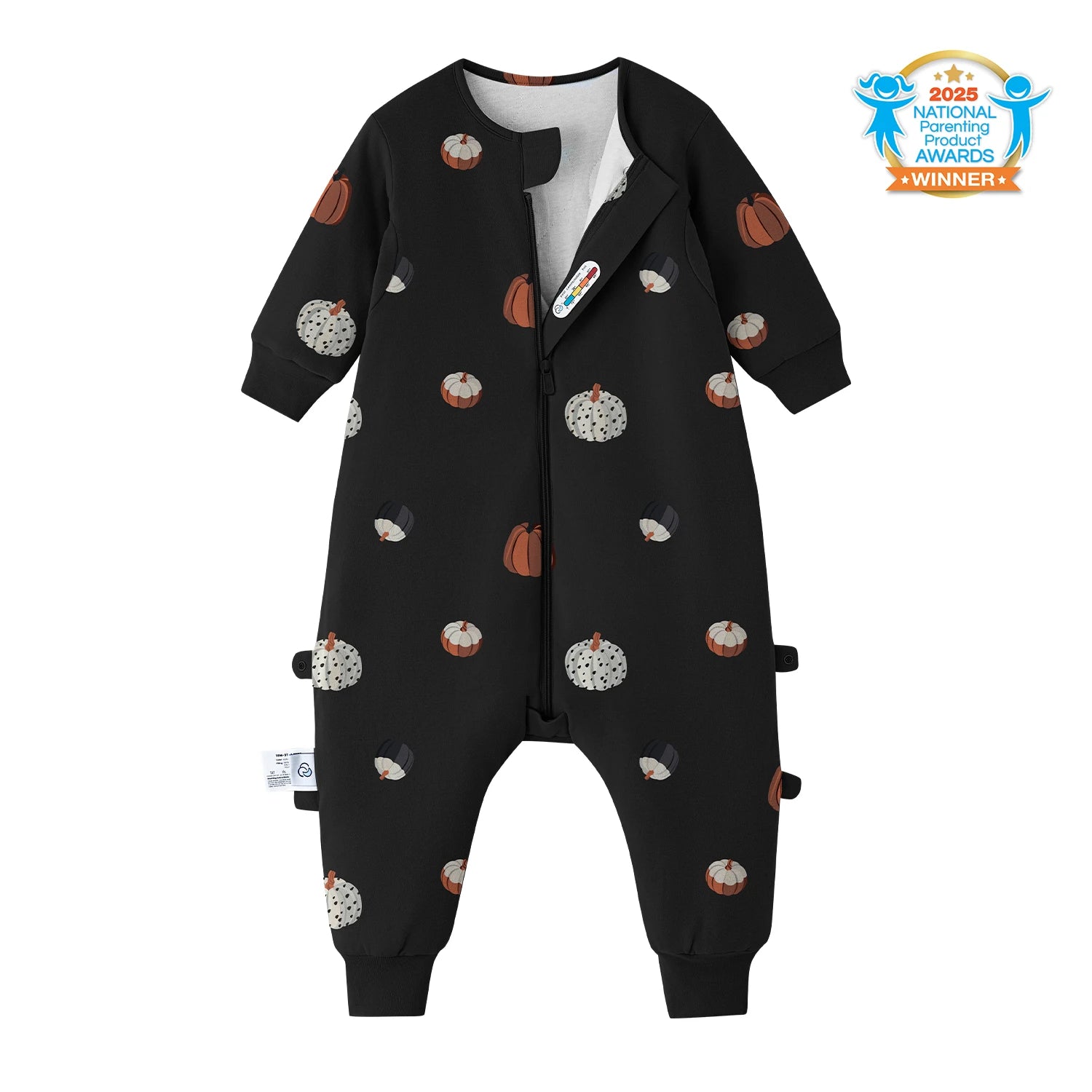
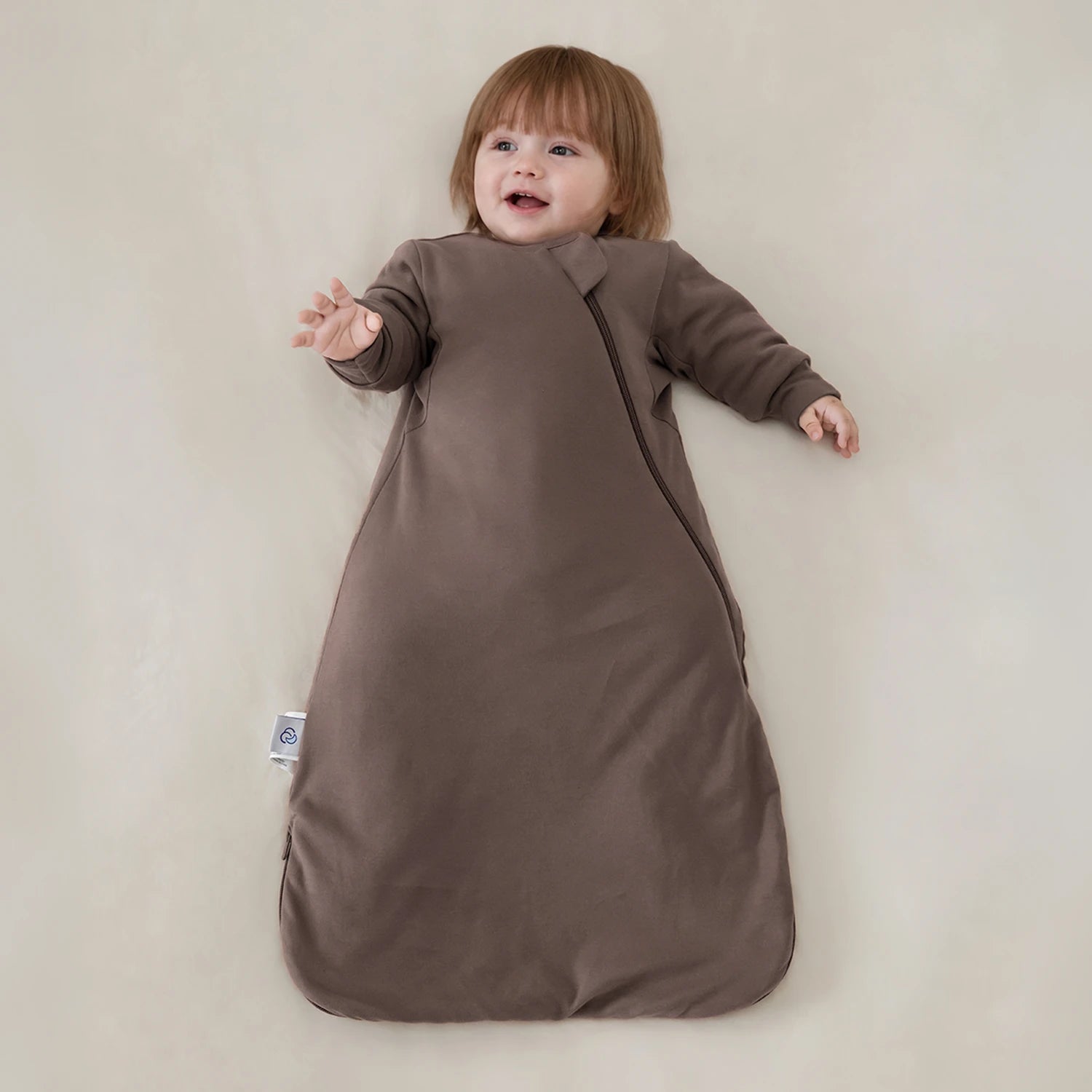
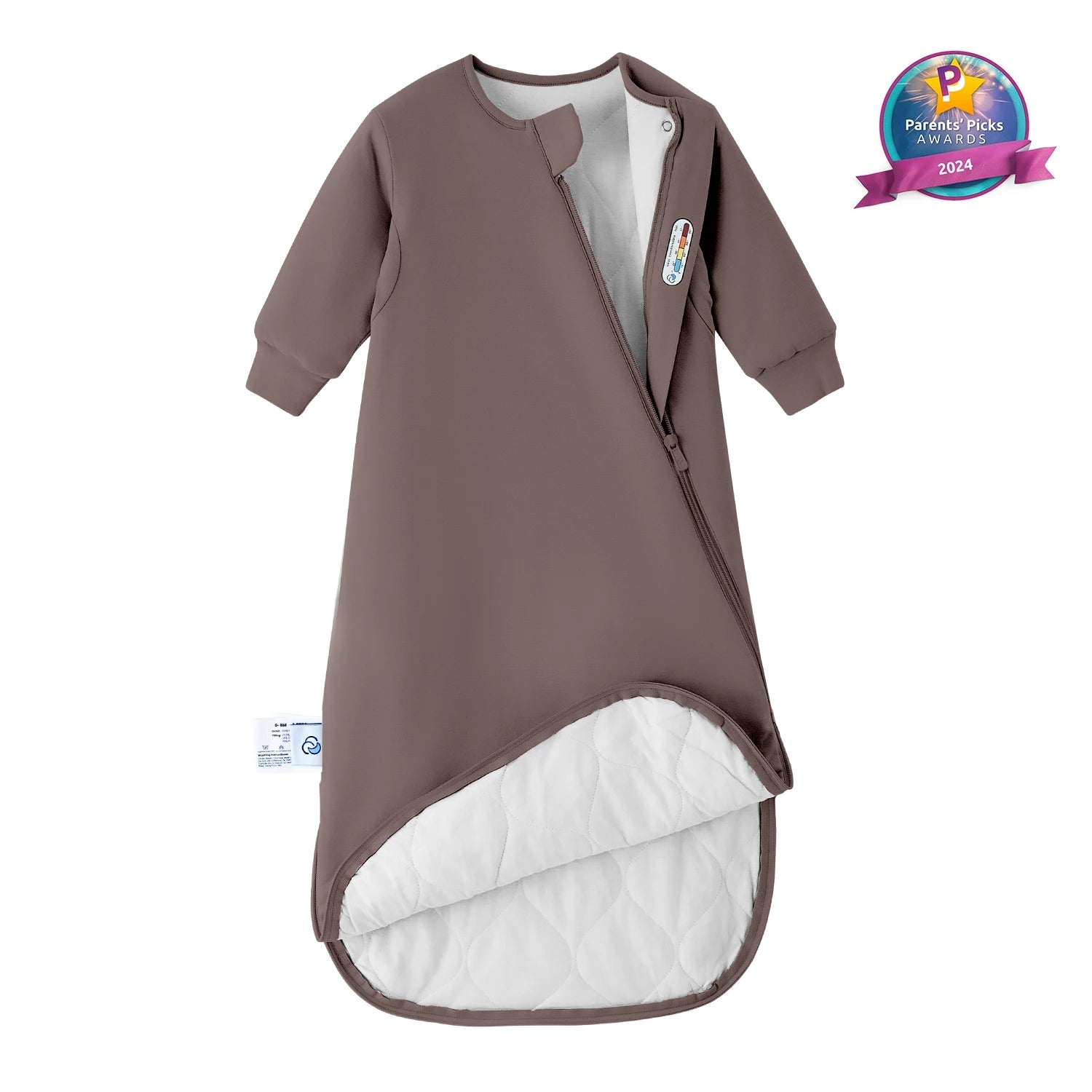
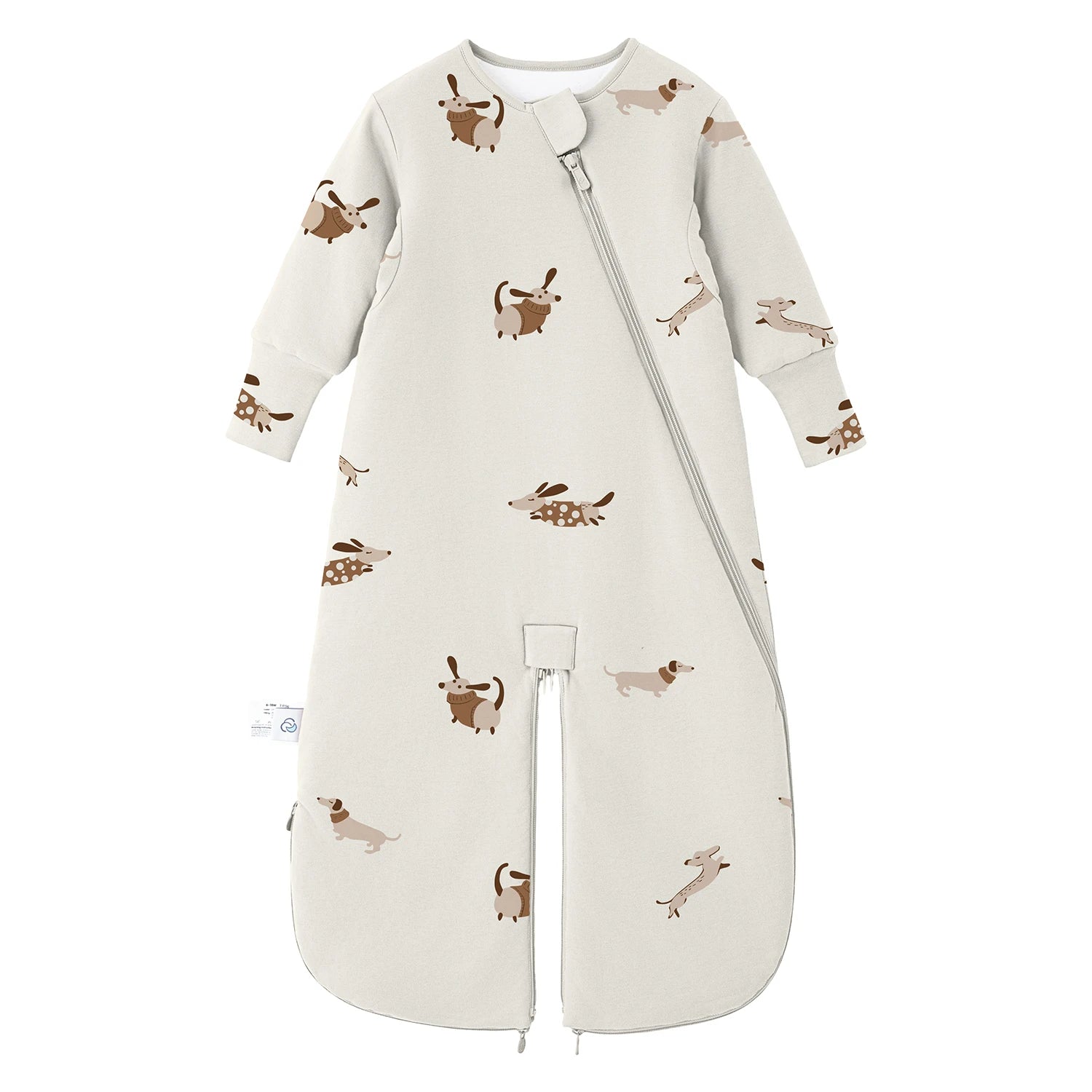
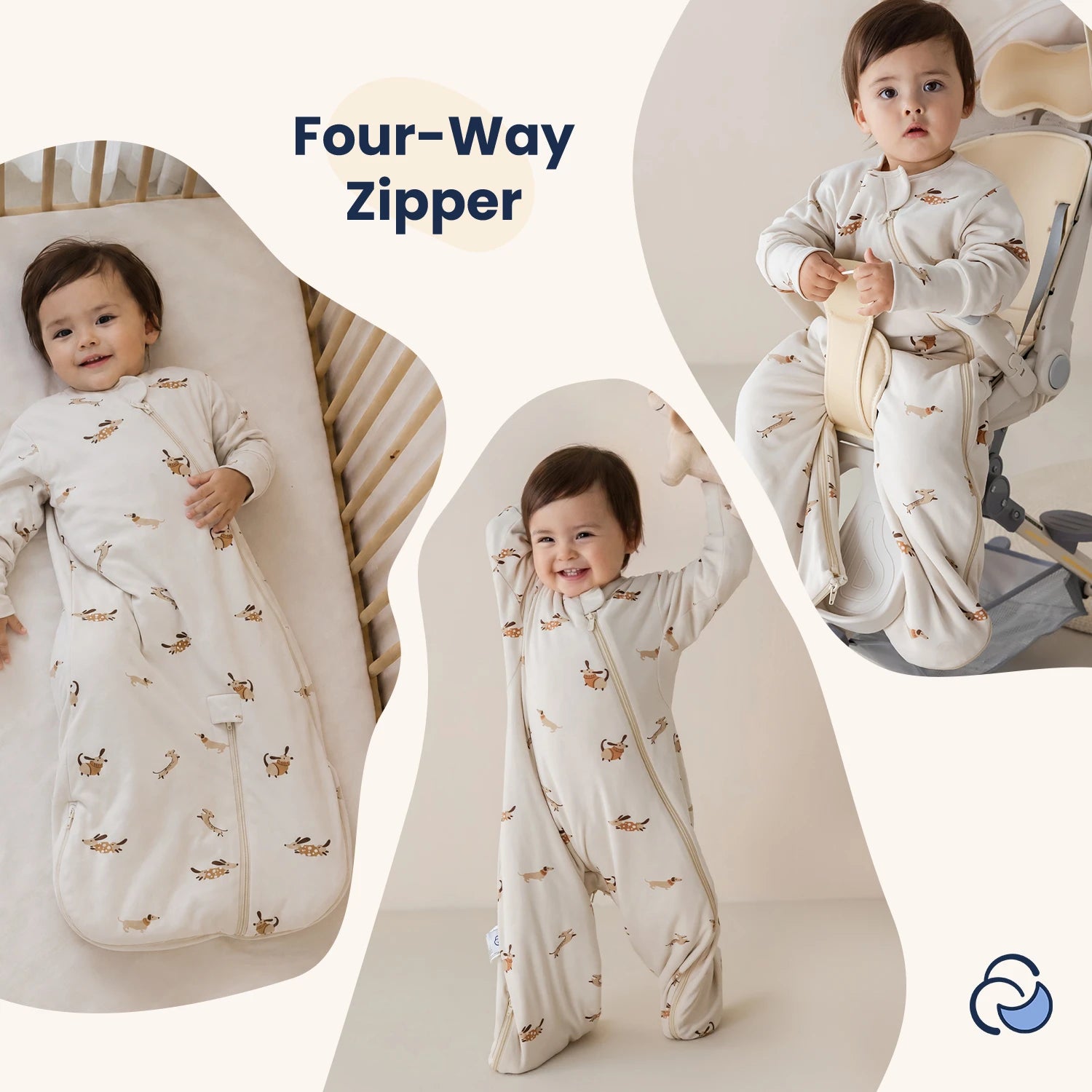
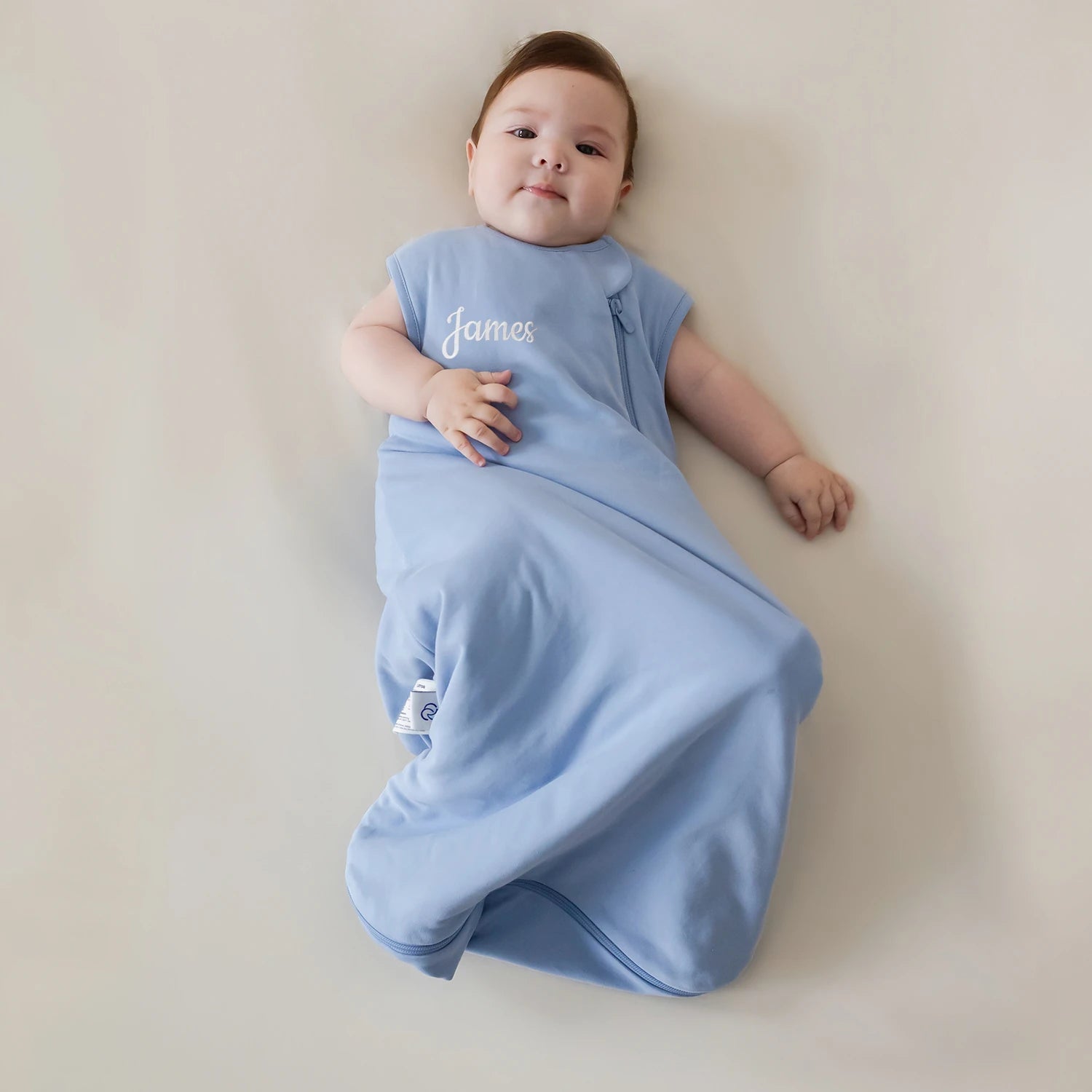
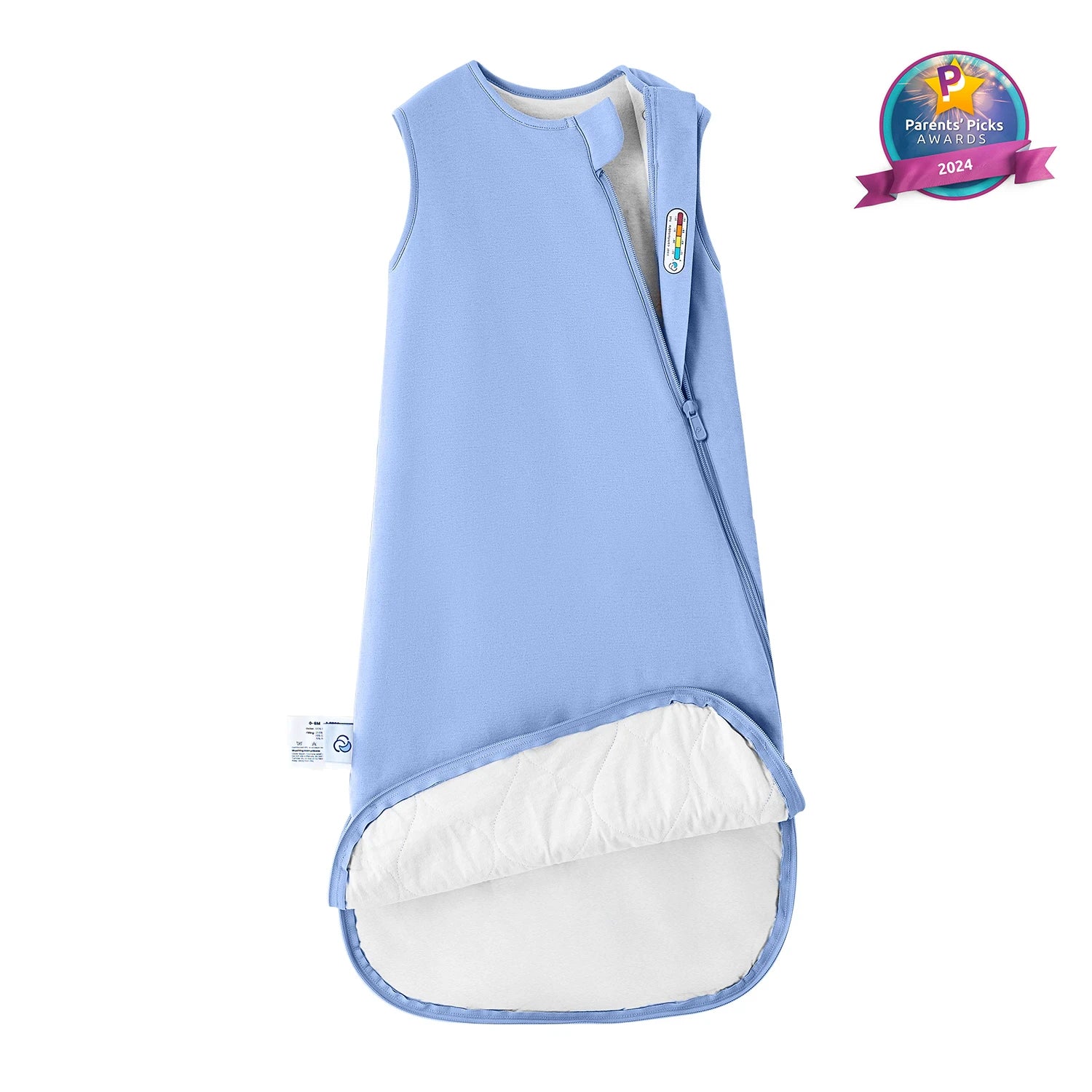
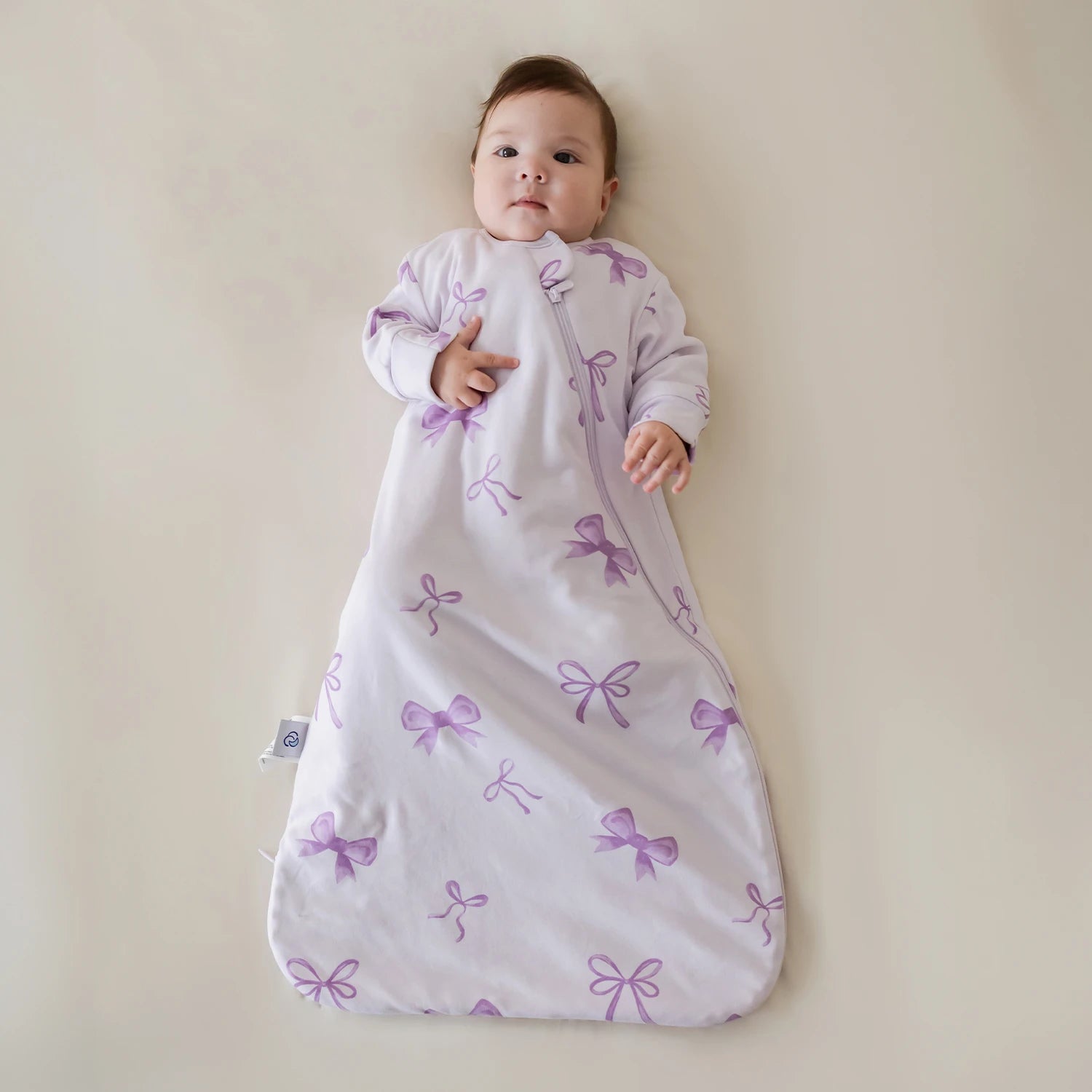
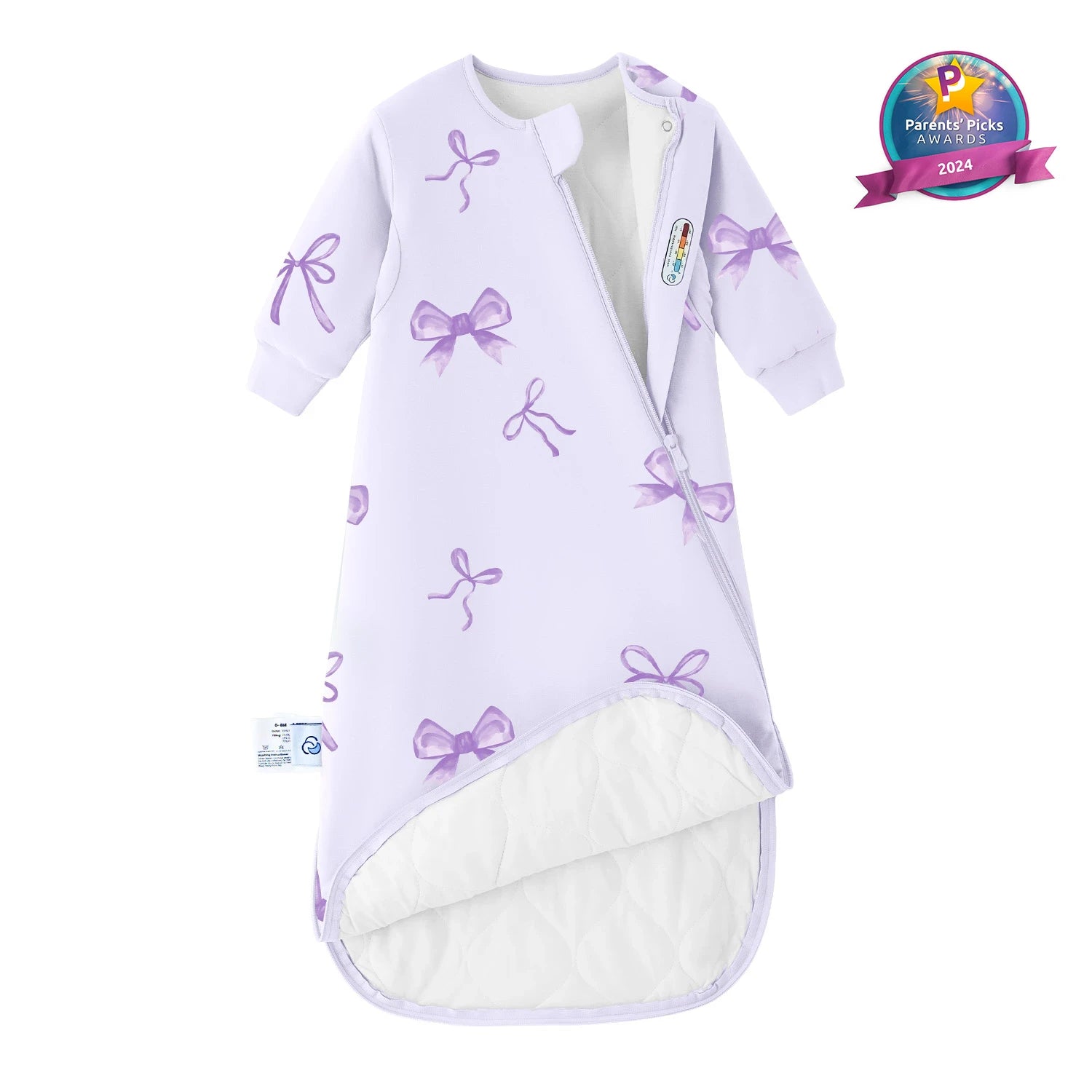
Stopping the swaddling mode does not always mean replacing the garment. Kaiya Baby'sClimaCuddle® 2-in-1 Swaddle 0.5 TOG can be used in its arms-free mode once your baby starts trying to roll.
If you already own it and it still fits and suits the room temperature, you can change the mode rather than buy another garment. The product page shows how the modes work.
If sleep becomes unsettled after the change, the next question is how to help your baby settle with their arms free. Once any attempt to roll has appeared, returning to the swaddling mode is not an option, but you can still check their needs and comfort them.
What actually goes wrong in the first week
After stopping swaddling, a familiar bedtime may end differently: your baby settles in your arms, then wakes when you put them down. Start with what has changed. Arm movement and clothing coverage are two things worth checking, alongside feeding and diaper needs.
The startle reflex is still there. The Moro reflex throws the arms outward at a sudden noise or a change in position, and it can wake your baby. The swaddle was holding the arms still, so removing it gives those movements room again.
An ordinary sleep sack leaves the arms free rather than taking over the swaddle's job of holding them still. You can keep familiar parts of bedtime, such as a song or a cuddle, while changing the sleep clothing.
If your baby needs comforting, you can pick them up and settle them before placing them back on their back in the crib.
For repeated waking or difficulty settling, our guide to a baby who will not sleep without the swaddle goes into the next steps.
The layer nobody counts. A swaddle wraps fabric around the torso and over the arms. What replaces it depends on what you choose: a sleeveless sack leaves the arms bare, a long-sleeve sack does not, and the clothing underneath adds another part of the outfit. The room has not changed, but the covering may have.
Kaiya Baby's ClimaCuddle® 2-in-1 swaddle is rated 0.5 TOG, and the sleep sacks are rated from 0.5 to 3.5, so the ratings sit on the same scale and can be read against each other.
What a rating does not tell you is how much of your baby is covered. Whether you switch the ClimaCuddle® to arms-free mode or choose another sleep sack, look at what changed: the garment, the arm coverage, and the layer underneath.
So if your baby was settling well in the swaddle and started waking after the change, warmth is worth checking rather than assuming that the missing wrap is the whole problem.
To check warmth, feel the chest, the back, or the back of the neck. Circulation in young babies is still developing, so hands and feet can feel cooler than the core even when a baby is warm enough.
If the chest, back, or back of the neck feels cool, check the room temperature against the range for the sack they are in.
If the room sits below that range, either a warmer base layer underneath, or a sack whose own range covers your room, may suit it better. If those same places feel warm and damp, take a layer off and check the room the same way.
Once you have checked the room and the sleep sack, the remaining choice is what goes underneath. Our guide to what to wear under a sleep sack takes you through the clothing combinations, so you can choose an outfit rather than add another layer by habit.
Choosing the right sleep sack for the room
If you need a different sleep sack after swaddling, start with the room your baby sleeps in. TOG measures how much insulation a garment gives; it helps you narrow the choice before comparing sleeves, size, or color. These are Kaiya Baby's sleep sack temperature ranges.
| Room temperature | TOG |
|---|---|
| 75–78°F (24–26°C) | 0.5 TOG |
| 68–75°F (20–24°C) | 1.0 TOG |
| 61–68°F (16–20°C) | 2.5 TOG |
| 57–61°F (14–16°C) | 3.5 TOG |
Measure the room your baby sleeps in rather than the hallway, and check it at night rather than in the evening, because a room that is comfortable at bedtime can be several degrees cooler by the small hours.
If you are still deciding between ratings, our TOG guide explains how to use them. Once you have chosen a range, the links in the table take you to the matching sleep sacks.
Beyond warmth, choose a sleep sack that lets the arms and body move freely, with room at the hips for the legs to bend and move. The American Academy of Pediatrics advises against weighted sleep sacks and weighted swaddles; extra weight is not the way to replace the feeling of a wrap.
Then check the specific product's size guide rather than choosing by age alone. The neckline and arm openings need attention as you check the fit, alongside room for the legs. Our guide to how a sleep sack should fit covers the broader sizing question.
You can compare Kaiya Baby's sleep sacks across all four TOG levels, then choose the style and size that suit your baby. The room temperature narrows the range; the product's size guide helps you make the next choice.
Frequently Asked Questions
At what age do babies no longer need to be swaddled?
Stop at the first sign your baby is trying to roll, rather than waiting for a particular age. That is the American Academy of Pediatrics' stopping rule. You can choose to stop earlier, including if your baby no longer settles with the wrap. The startle reflex does not need to disappear before you stop swaddling.
Can I keep swaddling if my baby is not rolling yet at four months?
Only if there has been no sign of trying. A baby who rolls toward their side, or arches and twists as though working toward it, has already met the stop condition even without a completed roll. If you have seen nothing of the kind, you can carry on, though most babies are finished by four months and there is little left to gain. Move to one arm out now rather than waiting, so the change is not forced on you when the night rolling arrives.
My baby keeps breaking out of the swaddle. Does that mean we should stop?
You need to deal with the loose fabric either way before the next sleep. If your baby has shown any sign of trying to roll, correcting the wrap is not an option, and swaddling is finished.
If your baby has shown no sign of trying to roll, the wrap may just be too loose, and we cover technique in our guide to swaddling a baby. If the wrap is solid and your baby still pushes out of it, that is one of the five signs, and it is time to move on. Don't leave a swaddle that comes undone in place while you decide.
Should I stop swaddling for naps and nights at the same time?
If any sign of trying to roll has appeared, change both at once, because a swaddled nap carries the same risk as a swaddled night. If nothing of the kind has appeared, starting with naps gives you daylight and shorter stretches to work with, which many parents find easier. What does not work is swaddling for naps indefinitely while nights are arms-free, because it keeps your baby switching between two ways of sleeping.
Best Sellers


Read more
What To Do If Baby Spits Up While Sleeping?
If your baby spits up while sleeping, check their breathing, usual color, and responsiveness first. If your baby is breathing normally, looks their usual color, and is settled, wipe away visible mi...
Read more
How to Dress a Baby for Sleep?
Dressing a baby for sleep comes down to five steps: measure the room temperature, choose a sleep sack TOG rated for that temperature, start with a fitted breathable base layer, check your baby's ch...
Read more
Leave a comment
This site is protected by hCaptcha and the hCaptcha Privacy Policy and Terms of Service apply.