
- Shop All Sleep Sacks
- Bestsellers
Shop by Fabric
- 🛍️Bundle
- New Arrivals
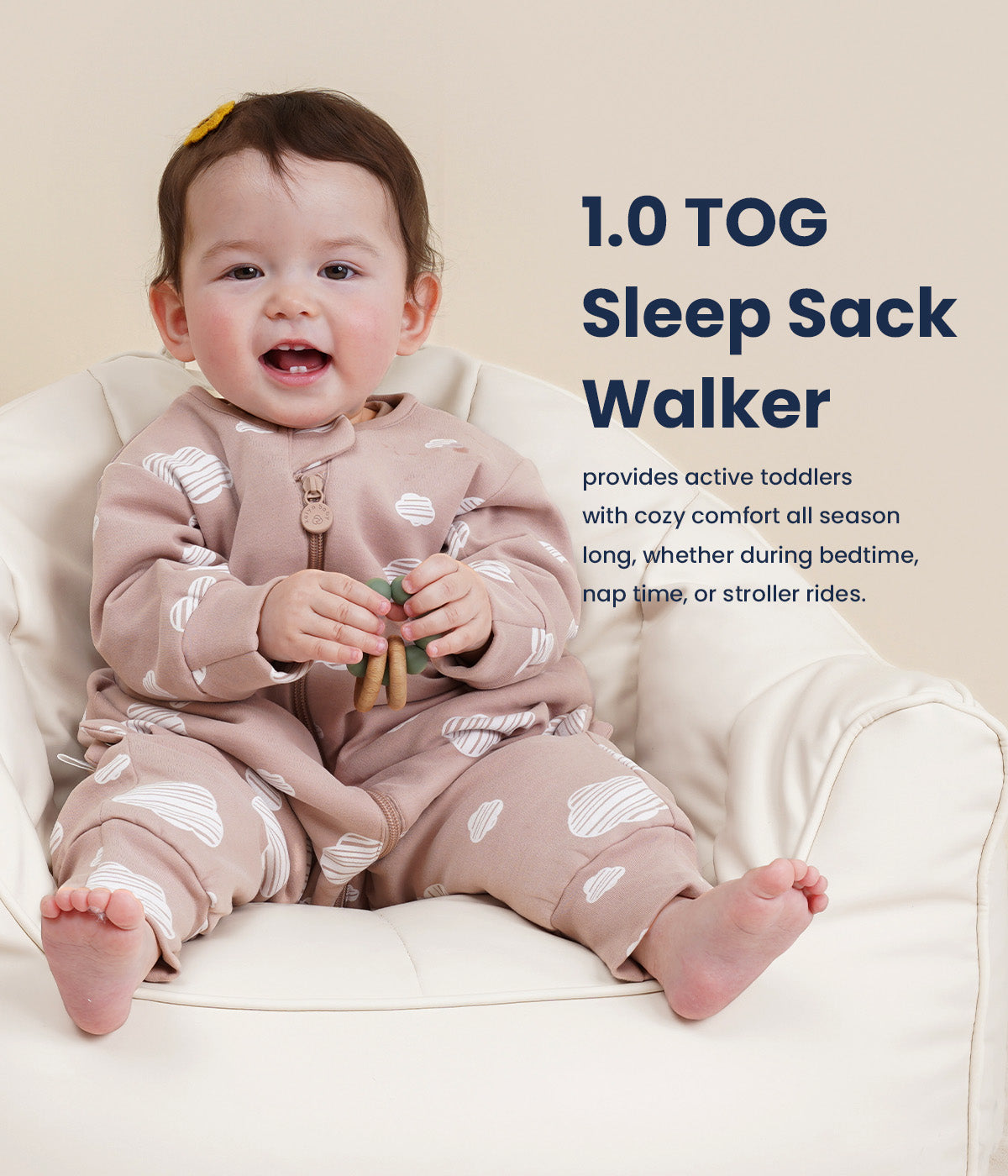


Sleep is a vital function for humans. People's brains and bodies can relax and recover from tiredness with sufficient sleep. Most people spend a third of their lives either asleep or resting, especially babies, who spend most of their day sleeping.
Sweet and sound sleep provides the perfect environment for a baby to grow and develop both mentally and physically. This is why the baby will grow faster and better with good sleep quality, but will experience poor development when lacking sleep.
Sleep position matters here because only the baby sleeps in the right position, and they can grow safely without suffering from SIDS.
New parents may get confused then, wondering:
1. What sleeping position is safe for babies?
2. How to place a baby to sleep with a stuffy nose?
3. What is the best sleep position for a colicky baby?
4. What's the difference between back sleep, side sleep, and stomach sleep positions?
They are common questions that new parents always wonder. Take it easy. This post is gonna guide you to explore them and find the ultimate safe sleep position for your little one.

Before we start exploring which position is best for babies to sleep in, we need to figure out SIDS first, which impacts the baby's sleep from every single point.
Sudden Infant Death Syndrome (SIDS) is the unexplained death of a baby younger than one year of age that typically occurs during sleep, with no warning signs or a clear cause. SIDS is sometimes known as "crib death" because the infants often die in their cribs.
Although the exact cause of SIDS is unknown, it is believed to be associated with a combination of physical and sleep-environmental factors.

Practical ways to avoid the incidence of SIDS are essential, which include putting babies to sleep on their backs, using a firm sleep surface, keeping soft bedding and toys out of the sleeping area, and avoiding overheating.
Compared to the side or tummy sleeping position, the best sleep position recommended for babies is supine or on their back. Here are some key points about the baby's back sleep position:
Back sleeping (supine position) reduces the risk of Sudden Infant Death Syndrome (SIDS) compared to other positions, especially the stomach position.
Put healthy babies under 1 year old to sleep on their backs for every sleep, including nap times. This is the recommendation from the American Academy of Pediatrics.
The back position allows babies to breathe easily and clears secretions from the nose and throat. It's the most natural position. Once babies learn to roll from back to front on their own, usually around 5-6 months, they can stay that way if you find them front sleeping.
Moreover, never put babies down to sleep on adult beds, sofas, or soft surfaces where they could suffocate. Only use a firm, flat crib or bassinet.
It's worth noting that consistently using the back position helps reduce the risks of SIDS and other sleep-related causes of infant death. This is the gold standard.
So, in summary, back is best when it comes to baby sleep safety and position for the first year. Always check with your pediatrician as well.
Yes, it's generally okay for a newborn to sleep with their head to the side. In fact, it's quite common for newborns to naturally turn their heads to one side while sleeping. This is known as the "preferred head position" and is typically due to their comfort or to prevent the baby from suffocating by obstructing their own airway.
Short time to sleep in side position does not affect health, yet with certain benefits for the baby:
Infants placed on their side to sleep reduce the incidence of choking and regurgitation of milk. Besides, then vomitting, the baby lying on its side helps the vomit in the oral cavity flow out, instead of being stuck in the throat, which prevents the cough and suffocation case.
Sleeping on the side also helps when the baby snores. It gets the snoring to disappear by helping the baby breathe more smoothly.
Besides, the side sleeping position reduces pressure on the heart, which is also good for the digestive system.
Keep a close eye on your newborn while they are sleeping to ensure they keep their airway open and don't let their position impede their breathing.
Sometimes, yes, babies can be placed on their stomachs. This should only take place in a medically supervised environment, such as the hospital or a professional baby healthcare facility.
Infants need "tummy time" when awake and supervised. Plank time strengthens shoulder and neck muscles and helps infants reach developmental milestones.
Healthcare providers should inform parents and caregivers that a certain amount of prone time is vital and a necessary part of an infant's development.
While there is limited research on the question of how much time is ideal for rolling over, the results of one study suggest that more rolling over time is associated with better motor development.

Once infants begin to roll over on their own, usually around 4 to 6 months of age, the risk of Sudden Infant Death Syndrome decreases. At this time, infants are gaining strength and coordination, and their sleep safety dynamics change somewhat. Here are the steps you should take to maintain a safe sleep environment:
Always keep the baby sleeping on its back. You should place your baby on his or her back at bedtime. This is the safest sleep position for healthy babies and has been shown to greatly reduce the risk of Sudden Infant Death Syndrome (SIDS).
Although putting your little ones on their back, they may roll over on their own, and you should check that their sleep area is safe. Make sure there is no loose bedding, bumpers, or soft toys in the sleeping area that could pose a choking hazard.
As careful parents, we can employ the following approaches to make sure that our baby's sleep conditions are absolutely safe.

Lily Hou
An expert in sleep sack design, is a valued contributor to Kaiya Baby's blog. With a strong background in baby sleep bags and maternal care, she is highly regarded for her professionalism. Lily prioritizes baby comfort and safety in her designs, using high-quality materials. Her insightful articles on sleep bags have been featured in reputable publications and have gained a significant readership. Trust Lily to help you create a comfortable and safe sleep environment for your baby, backed by her proven track record in the industry.

Why Does My Baby Always Move to the Edge of Crib?
Parents often notice their baby moving toward the edge of the crib, which can be confusing. There are many reasons why babies move during sleep, including seeking comfort, regulating their body te...
Read more
What should a baby wear to sleep under a sleep sack?
All parents want to help their babies get a good night's sleep. Establishing a good sleep habit and having a restful sleep is not only good for babies’ growth and development but also can take some...
Read more
Leave a comment
This site is protected by hCaptcha and the hCaptcha Privacy Policy and Terms of Service apply.