


Understanding Sleep Regressions: Why and When Happen, and What to Do
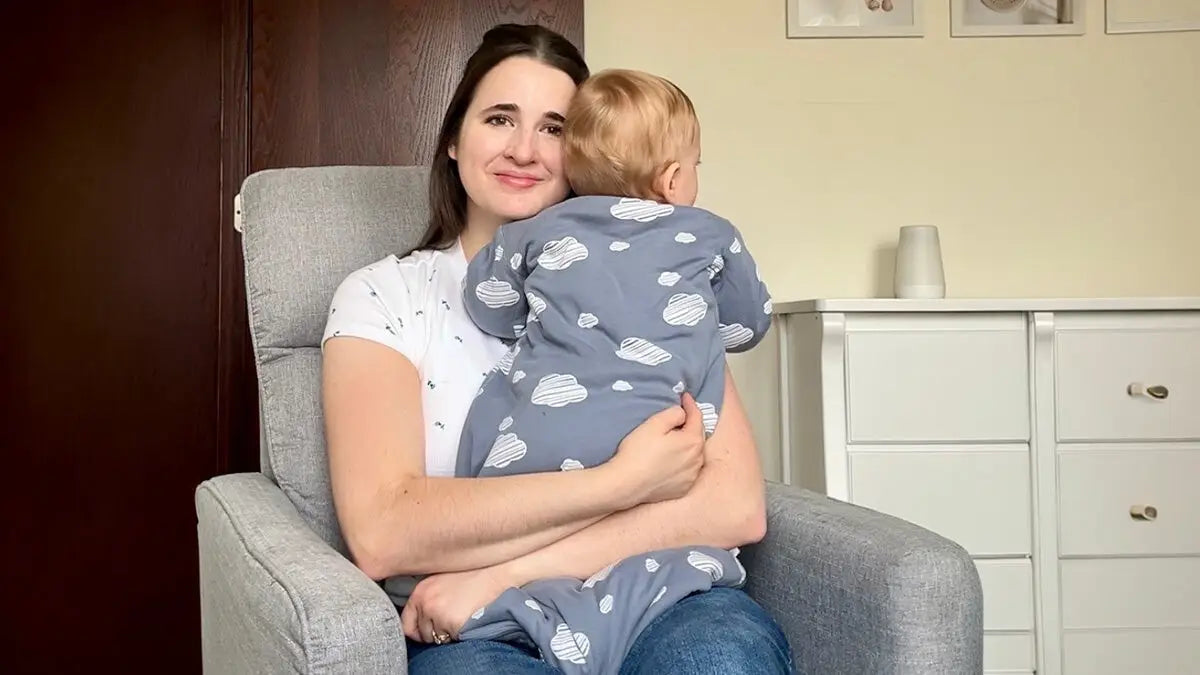

There’s nothing more stressful than when your baby is finally sleeping well and then suddenly, they’re not. If your once-great sleeper is now waking frequently, fighting naps, or suddenly wide awake at 4 a.m., you may be dealing with a sleep regression period.
For many parents, the panic hits fast. What changed? What do I need to fix? That's a headache for sure.
The good news is that baby sleep regressions are completely normal. Sleep can be up and down during the first few years of life, and once you understand when regressions happen and how to handle them, they tend to feel much more manageable.
If you want a deeper look at regressions, schedules, naps, and independent sleep, The Baby Sleep Haven is a helpful next stop. It offers practical baby and toddler sleep guidance for families who want more age-based support beyond a quick overview.
What is a sleep regression?
Most sleep consultants agree that regressions are often connected to the baby's major developmental milestones. As babies learn new skills like rolling, crawling, standing, or talking, their brains and bodies are busy practicing.
That extra stimulation can temporarily disrupt sleep. Think of it like Christmas Eve. Your baby is so excited about what they are learning that they cannot stop practicing, even at 2 a.m.
Signs of a baby's sleep regression
Wondering if your baby might be going through a regression? Here are some common signs that we can take as a reference:
• More frequent night wakings
• Shorter naps
• Trouble settling at naps or bedtime
• Early morning wakings
If this list sounds a lot like the signs that your baby’s sleep schedule needs an update, you are not imagining things. The symptoms can overlap. That is why it helps to understand when regressions typically happen and how long they usually last.
When do sleep regressions happen? (by age)
Sleep regressions tend to appear on and off during the first two to three years of life. Every child is different, so your baby may experience some of these stages and skip others. Here are a few common ages when sleep can temporarily take a dip.
6–8 weeks
Around this time, your baby becomes more alert and curious about the world. Any of that stimulation can make it harder for them to settle and stay asleep.
3–4 months
This is the well-known 4-month sleep regression. Your baby’s sleep cycles mature and begin to look more like adult sleep. That shift can lead to more night wakings and short naps while your baby adjusts.
8 months
Separation anxiety and object permanence begin to develop in this period. Your baby realizes that you still exist even when they cannot see you, which can make falling asleep independently more challenging.
10 months
At this age, many parents think their baby is ready to drop a nap. Relax, however, it is usually just a temporary regression rather than a true nap transition.
12–15 months
Learning to walk, talk, and explore the world is exciting, but all that development can lead to restless nights.
18–24 months
Toddlers begin testing boundaries and experiencing fear of missing out. Bedtime resistance often increases, and another period of separation anxiety can appear.
Around 30 months
This is often the last noticeable sleep disruption before many children gradually drop their nap around age three, although there is a wide range of normal.
The 4-month sleep regression explained
Unlike other regressions, the 4-month sleep regression reflects a permanent change in how your baby sleeps.
Around 3 to 5 months, your baby’s sleep matures, and their sleep cycles begin to resemble adult sleep cycles. While this is a positive developmental step, the transition can be challenging at first.
Even adults wake briefly several times during the night between sleep cycles. The difference is that we roll over, get comfortable, and fall back asleep without fully waking.
For babies, this skill is brand new.
Once sleep cycles lengthen and deepen, babies may fully wake between cycles if they are used to falling asleep with help, such as rocking, feeding, or bouncing. If they relied on that support at bedtime, they often need it again each time they surface between cycles.
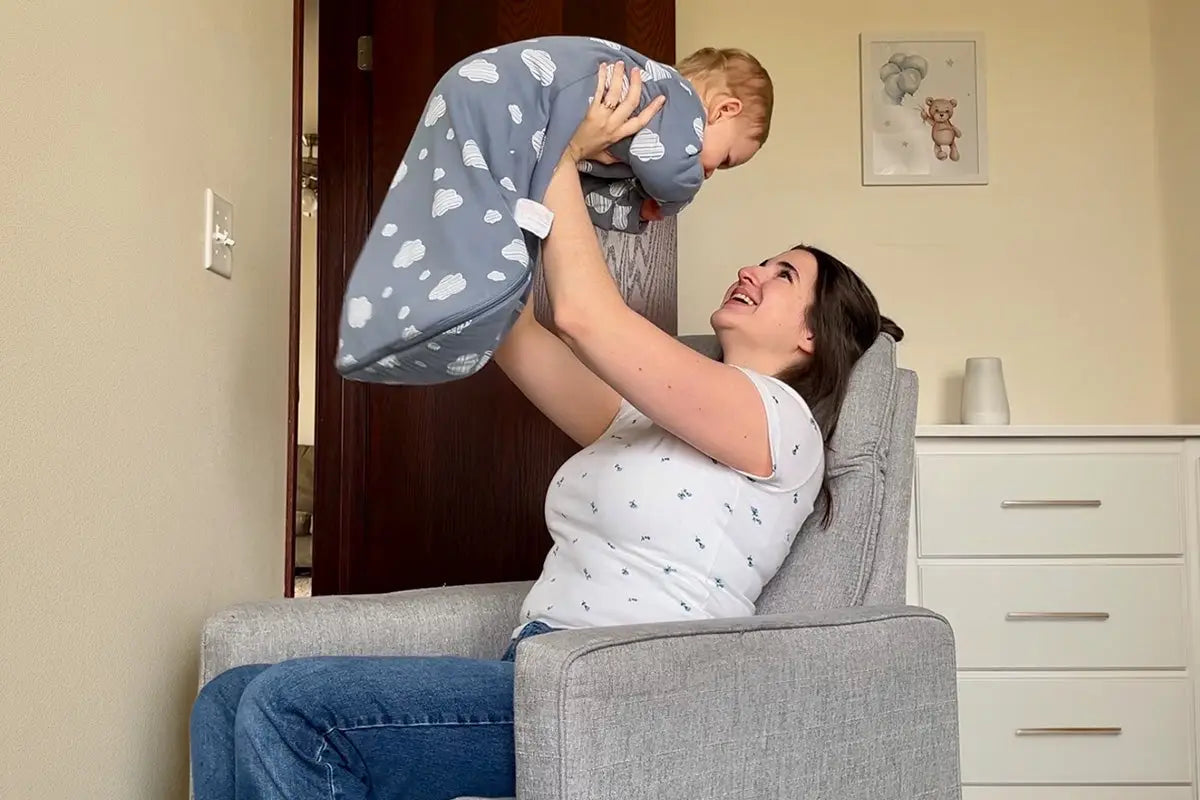
That is why many parents feel like their once “good sleeper” suddenly forgot how to sleep. In reality, your baby did not forget. Their sleep structure changed, and they are learning how to manage it.
This is also why independent sleep skills become especially helpful around this age. Babies who can fall asleep on their own at the start of the night often find it easier to connect sleep cycles overnight.
Sleep regression vs. schedule issues: what are the differences?
It can be tricky to know whether you are dealing with a true regression or a newborn sleep schedule adjustment.
If sleep is going well and suddenly worsens without illness, sleep place shifting, or major routine changes, and the disruption has lasted less than two weeks, it is likely a regression.
If sleep challenges last longer than two weeks, it may be time to take a closer look at your baby’s schedule. As babies grow, their sleep needs change, and small adjustments to wake windows or nap timing can make a big difference.
Why does your baby's sleep keep regressing?
If it seems like your baby’s sleep is always difficult, it may not actually be a regression. While sleep naturally has ups and downs, most families should still experience stretches where naps are predictable and nights are mostly restful.
Sleep regressions can feel overwhelming in the moment, but they are also a sign that your baby is growing and developing exactly as they should. With consistency and a supportive sleep setup, most babies move through these stages and settle back into more predictable sleep.
What to do when babies are in a sleep regression?
The most important thing to remember is that regressions are temporary. It is usually recommended to wait about two weeks before making major changes to your baby’s schedule.
Trying to drop a nap or push bedtime later too quickly can sometimes backfire, leading to overtiredness and even more night wakings. Instead, focus on consistency and a supportive sleep environment.
Here are a few simple strategies that can help during any regression.
Stick to the normal routine
A predictable bedtime routine helps signal to your baby that sleep is coming. Try not to introduce new habits that you do not want to maintain long-term.
Keep the schedule similar
If your baby skips or shortens a nap, you can move the next nap or bedtime earlier by 15 to 30 minutes, but avoid major shifts.
Create a comfortable sleep environment
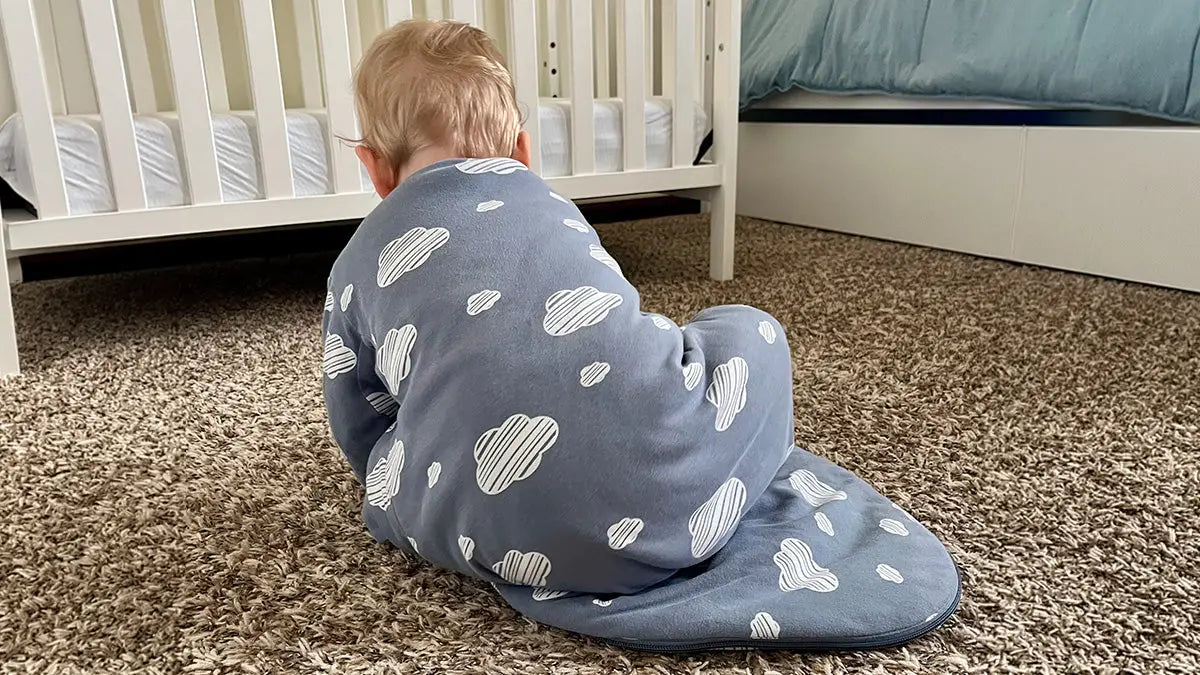
A cool, dark, and comfortable sleep space supports wonderful rest. Dressing your baby appropriately for the room temperature can also help prevent unnecessary wake-ups.
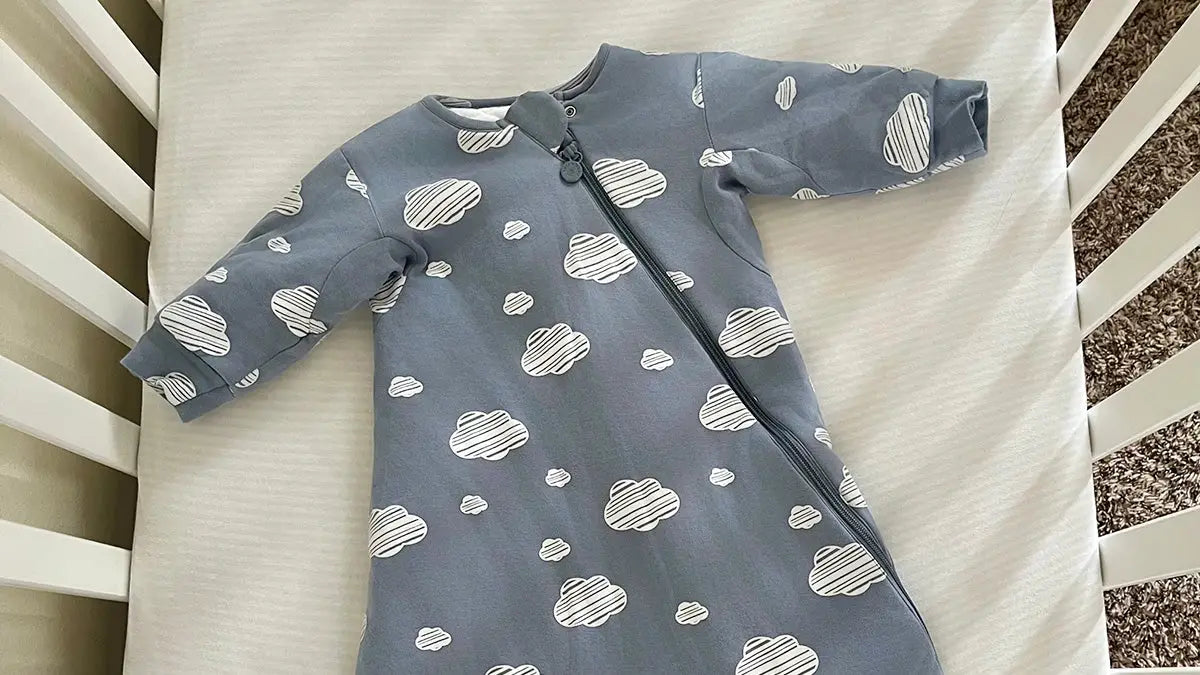
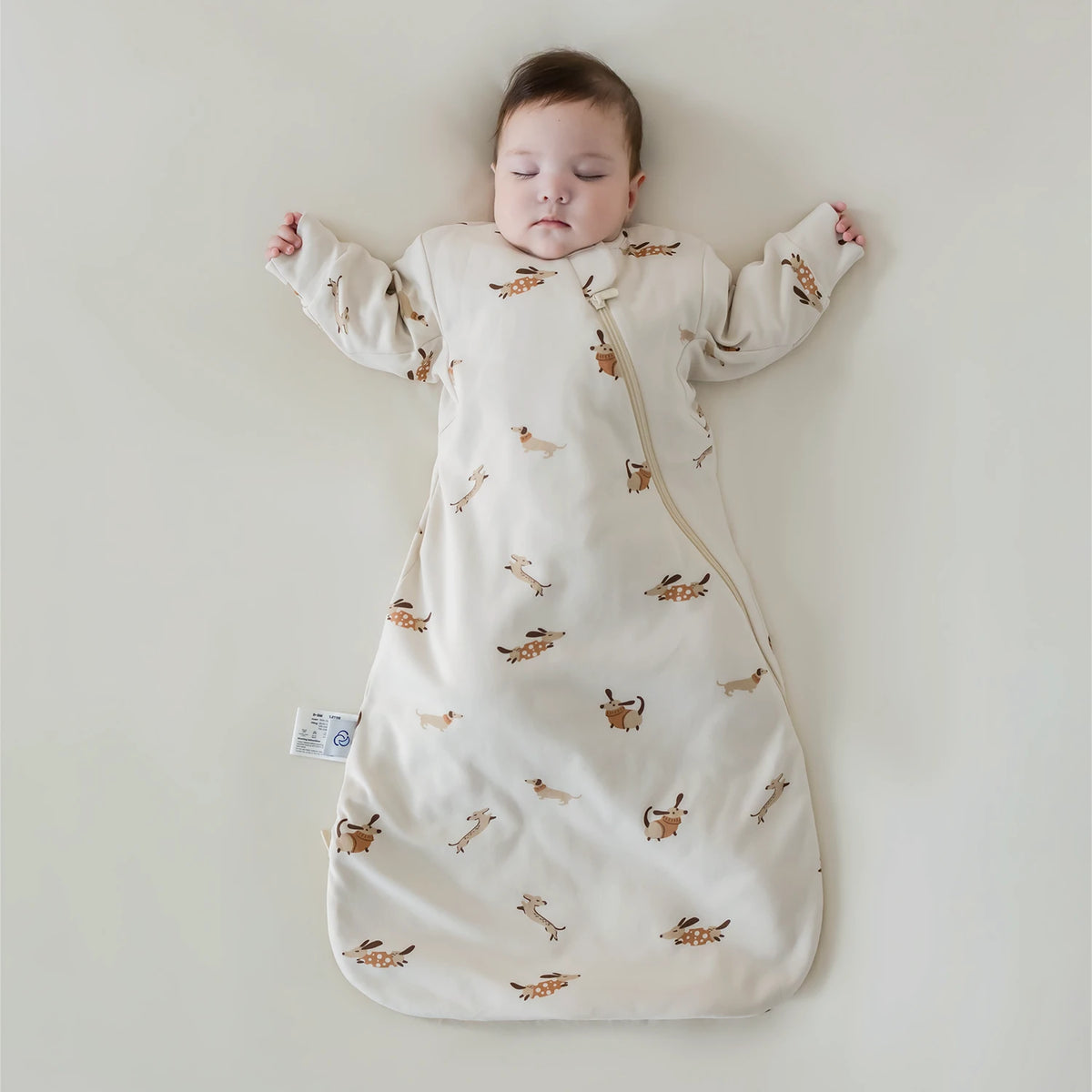
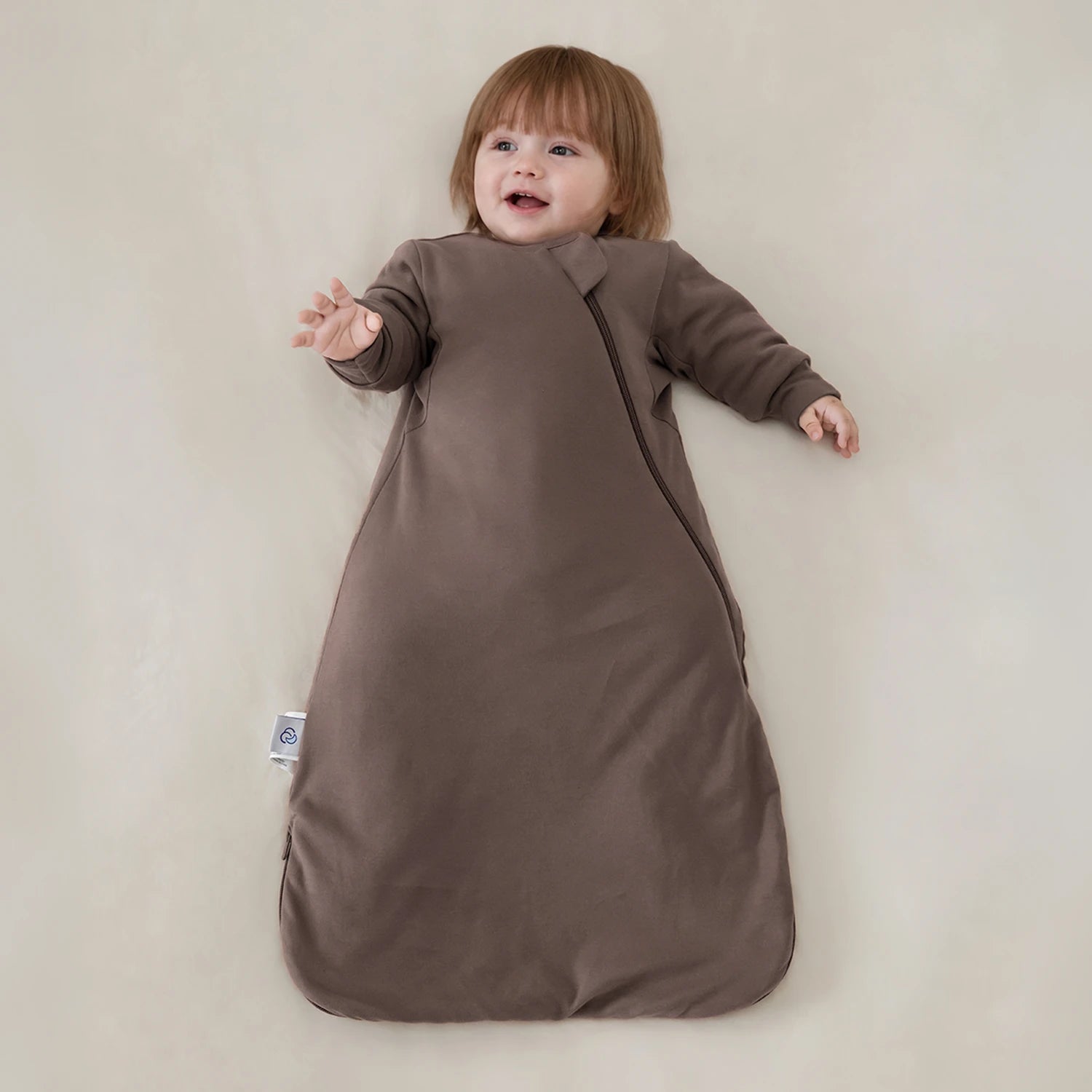
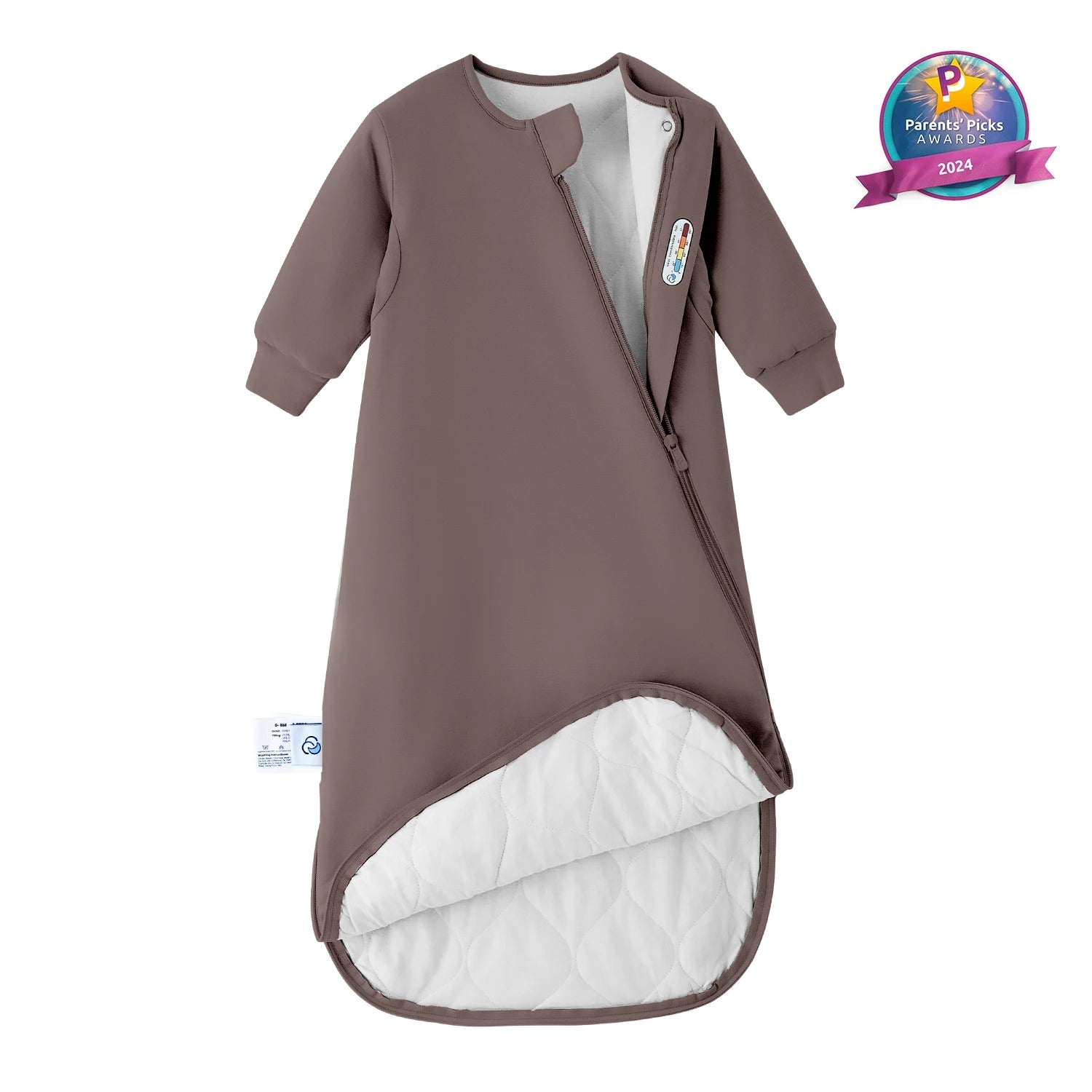
A sleep sack with appropriate TOG is a perfect assist to keep babies cozier and more comfortable than a loose blanket. Options like the Kaiya Baby long sleeve sleep sack are designed with temperature awareness and soft, breathable materials to help babies stay comfortable throughout the night.
For older babies or toddlers who are more mobile, it also offers a sleep sack with legs, which can be a great option for little ones who won’t stay under blankets yet.
Allow quiet rest time
If your baby is calm in the crib but not sleeping, that quiet time still helps their brain rest and keeps your routine consistent.
Keep morning wake time consistent
If your baby has a rough night, it is fine to let them sleep in a little, but try to keep wake time within about 30 minutes of normal to support their circadian rhythm.
Why Your Baby’s Sleep Keeps Regressing (And What It Might Actually Be)
If it seems like your newborn baby’s sleep is always difficult, it may not actually be a regression. While sleep naturally has ups and downs, most families should still experience stretches where naps are predictable and nights are mostly restful.
Sleep regressions can feel overwhelming in the moment, but they are also a sign that your baby is growing and developing exactly as they should. With consistency and a supportive sleep setup, most babies move through these stages and settle back into more predictable sleep.
Best Sellers













Read more

What Is the Best Material for a Baby Sleep Sack?
Fabric questions rarely start with fabric. They start with a baby who wakes up sweaty, a patch of eczema that flared after a new sleep sack, a winter room that needs real warmth without the sweaty-...
Read more
Can Newborns Sleep On Their Side?
Can Newborns Sleep on Their Side? Some Must-knows for Parents If you have noticed your newborn leaning onto their side during sleep, it is completely understandable to feel concerned. Many parents ...
Read more
Leave a comment
This site is protected by hCaptcha and the hCaptcha Privacy Policy and Terms of Service apply.