


16-Month Sleep Regression


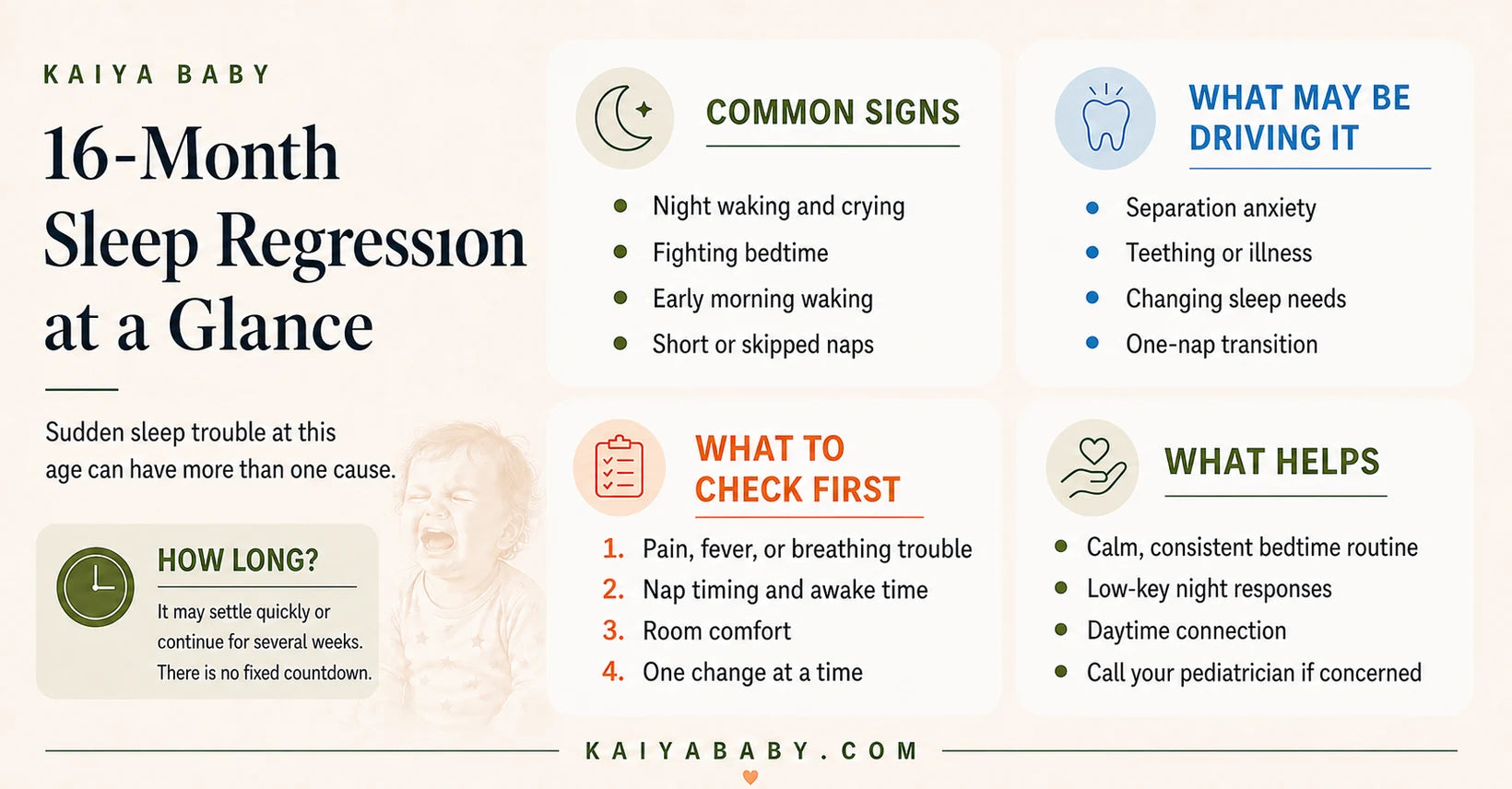
If your 16-month-old was sleeping well and has suddenly started waking, crying, and fighting bedtime, you are seeing something real, even though there is no single scheduled "16-month regression" on a fixed timeline.
Around this age, disrupted sleep may reflect separation anxiety, teething discomfort, changing sleep needs, illness, or several of these at once.
It may settle quickly or continue for several weeks, depending on what is driving it, and there is no evidence-based countdown that applies to every toddler.
It is a phase, not a step backward, and comforting your toddler through it will not spoil their sleep.
Is there a 16-month sleep regression?
Yes and no, and the honest answer helps more than a tidy one. There is no fixed, universal "16-month sleep regression" that every toddler goes through on schedule. What is real is that a lot of 16-month-olds hit a stretch of broken sleep around now, and it can arrive suddenly after months of good nights.
Sleep specialists usually fold this into the wider toddler regression that shows up anywhere from about 14 to 18 months, often pinned at 16 or 18 months.
Some toddlers sail through it. Others have much more disrupted sleep. Both are normal, which is why the label matters less than what is actually driving your toddler's sleep.
What causes the 16-month sleep regression?
Toddler sleep at this age rarely falls apart for one single reason. Usually a few things stack up at once, and each one is a normal part of growing up.
Molars and teething
The first molars often come in during the second year, and teething can cause mild gum discomfort and disrupted rest.
Worth knowing: the American Academy of Pediatrics is clear that teething does not cause a true fever or excessive crying, so if your toddler is feverish, very upset, or seems unwell, that points to something other than teeth and is worth a call to your pediatrician.
Separation anxiety
This is one of the biggest drivers at this age. The American Academy of Pediatrics notes that separation anxiety can cause many nights of disrupted sleep, with a child waking and crying for a parent; that it is a normal stage best met with a loving and consistent approach, and that it usually eases around the second birthday.
The AAP also notes that many toddlers first show separation anxiety around 15 to 18 months, and that separations are harder when a child is tired, hungry, or sick.
Language and movement leaps
Sixteen months is a busy time for new skills. Walking gets steadier, and words start coming faster, and all that new development often seems to spill into the night.
Some toddlers practice standing up in the crib, babbling, or wanting to move when they would otherwise be sleeping.
Schedule and the one-nap transition
Many toddlers are moving toward a single nap around now, or need longer awake stretches than they used to. Excessive or poorly timed daytime sleep can lower a toddler's sleep pressure at night, which sometimes shows up as long, wide-awake stretches in the middle of the night.
Our guide to baby wake windows by age can help you sense-check the timing.
A newly independent toddler
Your 16-month-old is more opinionated than they were a few months ago. Testing limits at bedtime, refusing the crib, and wanting to stay in the action are all part of that growing independence, and they can make settling harder for a while.
16-month sleep regression symptoms
The pattern is recognizable, though no single sign confirms it on its own. Most families notice a few of these together, after a stretch of better sleep.
Waking and crying at night
Night wakings return, often with real crying, and some toddlers stay awake for long stretches, sometimes one to three hours, before settling again. This is the sign parents find hardest, and it is common at this age.
Fighting or screaming at bedtime
A toddler who used to go down easily may protest, cry, or scream when placed in the crib, even after a calm routine.
Early-morning waking
Some toddlers start waking very early, around 5 a.m., and cannot get back to sleep.
Shorter or skipped naps
Naps that used to be reliable may shrink, get resisted, or disappear for a stretch, which then feeds back into harder nights.
More clinginess in the day
Broken sleep and separation anxiety often show up as extra clinginess, fussiness, and bigger reactions when you leave the room.
How long does a 16-month sleep regression last?
There is no set start and stop date, because this is not a fixed developmental switch. It may settle quickly or continue for several weeks, depending on what is driving the disruption, and there is no evidence-based countdown that applies to every toddler.
The timeline tends to follow the cause.
Teething eases once the tooth comes through.
A wave of separation anxiety settles as your toddler adjusts. When a schedule has drifted, adjusting the timing sometimes helps within a few days.
And sometimes the settling pattern you used to get through the hardest nights continues after the original trigger has eased, which is worth looking at rather than waiting out.
In practice, you are usually in one of three situations: a short disruption that settles on its own, a bumpy patch that smooths into a new but manageable routine, or a longer stretch that points to something specific to adjust.
Why is your 16-month-old awake for hours at night?
When a toddler is awake and upset in the small hours, it helps to look past "the regression" for what is actually going on. There is often more than one thing at play, and sometimes no single obvious cause.
| What you are seeing |
Worth checking |
| Drooling, chewing, red or swollen gums | Teething |
| Cries for you, settles when you are there | Separation anxiety |
| Long awake stretches, short or skipped naps | Look at total sleep and nap timing |
| Wide awake and playful in the night | Look at awake time before bed |
| Wakes very early and stays up | Look at nap length and bedtime |
| Fever, congestion, or seeming unwell | Possible illness, contact your doctor |
One night's pattern does not prove the cause. A useful anchor is that the American Academy of Sleep Medicine recommends 11 to 14 hours of sleep per 24 hours, including naps, for 1- to 2-year-olds.
Rather than guess, track your toddler's actual sleep for a few days, change one thing at a time, such as nap length or bedtime, watch for a few days, and reverse it if sleep gets worse.
The aim is to work out what is actually persisting rather than assume every rough night has one fixable cause. Where the answer is comfort and reassurance, that is a valid response, not a habit to feel guilty about.
What to do about the 16-month sleep regression
Most of what helps is steady rather than clever: protect the routine, get the timing right, and offer comfort in a calm, consistent way. A handful of things tend to help more than the rest.
Keep a calm, consistent bedtime routine
A predictable wind-down tells your toddler that sleep is coming. Something like a warm bath, a couple of books, and a song, in the same order each night, gives them an anchor when everything else feels unsettled.
Get the schedule right
If nights have long awake stretches or very early wake-ups, look at the daytime first.
Adjusting one thing at a time, such as the length of a long nap or how much awake time comes before bed, and watching for a few days, often does more than any nighttime trick.
The wake windows guide can help you check the timing for this age.
Offer a comfort object
Many toddlers settle better with a familiar comfort object to hold when they surface at night, like a small lovey or soft toy. Follow your pediatrician's guidance on what is appropriate for your own child's age.
Respond in a low-key, consistent way
You will not spoil a toddler by comforting them at night. The AAP describes meeting separation anxiety with a loving and consistent approach, so keep night visits calm, brief, and boring: reassure, keep the lights low, and avoid turning the night into playtime.
Responding to your toddler is not the reason the wakings are happening.
Keep daytime connection strong
Because separation anxiety is often the driver, extra closeness in the day can ease the nights. Short practice separations, plenty of one-on-one time, and matter-of-fact goodbyes all help your toddler trust that you come back.
Keep your toddler comfortable overnight
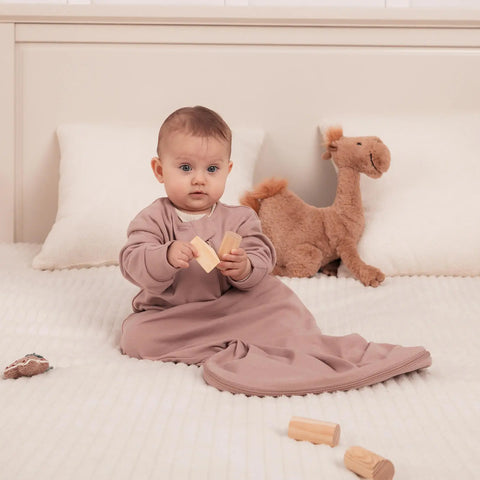
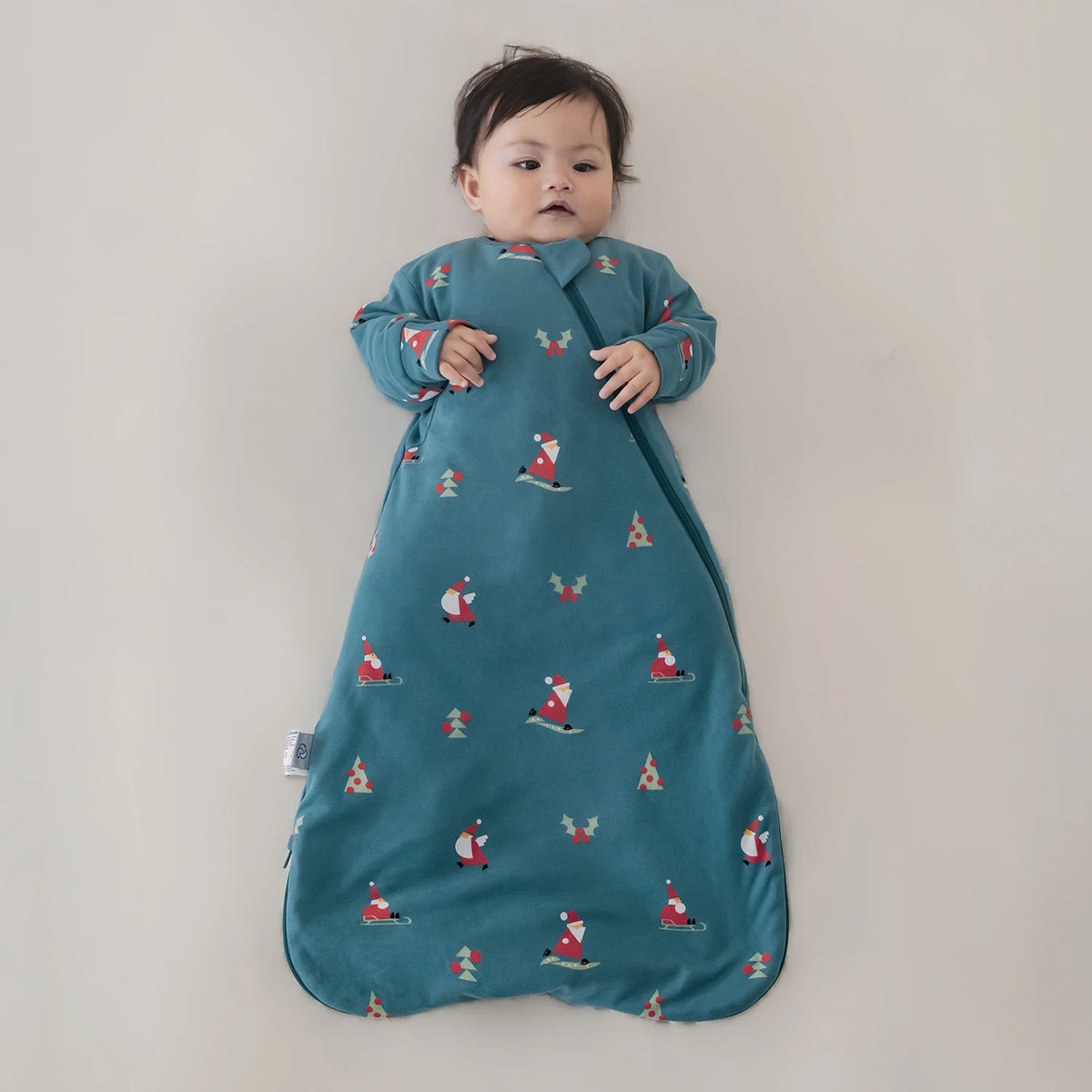
A walker-style sleep sack keeps a wearable layer in place as your toddler changes position.
Choose its warmth from the measured room temperature and what your toddler wears under it, not from night waking alone. It can keep sleepwear consistent, but it does not treat separation anxiety, teething, illness, or a schedule mismatch.
Look after yourself
This stretch is hard, and the most intense part does not stay this intense. Trading nights with a partner, resting when you can, and accepting help are reasonable, not indulgent.
Should you sleep train again at 16 months?
Plenty of parents reach this stage and wonder whether they have to start sleep training all over again. Sleep training is optional here, not required.
Before changing how you respond at night, it is worth ruling out pain, illness, and a schedule that is off, since those are common at this age. Many toddlers settle again with a steady routine, good timing, and consistent comfort, without a formal program.
If sleep does not settle, some families choose a gentle reset: responding the same way each time and slowly offering a little less help. Others prefer to stay fully responsive and ride it out.
Cry-it-out is a personal decision rather than a requirement, and it is worth talking through with your pediatrician if you are considering it, especially alongside teething or illness.
There is no single required method and no closing window here. Rocking, cuddling, and responding to your toddler do not cause the wakings, and choosing comfort is not something to feel bad about.
When to talk to your pediatrician
Most 16-month sleep disruptions are normal and resolve on their own. A few things are worth a call, because they point away from a passing phase.
Check in with your pediatrician if the sleep changes come with signs of illness or ongoing pain, loud nightly snoring or pauses in breathing during sleep, poor weight gain or a developmental concern, or if the disruption is wearing your family down and you want support.
Trust your instincts here. You know your toddler, and a quick conversation is always reasonable when something feels off.
Conclusion
The 16-month sleep regression is less a fixed milestone than a normal, bumpy patch, and it may reflect separation anxiety, teething, changing sleep needs, illness, or several of these at once.
It may settle quickly or continue for several weeks, with no evidence-based countdown that applies to every toddler, and getting the daytime schedule right and offering steady, low-key comfort at night can help.
If sleep stays hard well past that, look for what is actually persisting, whether that is teething, timing, or a settling pattern that has stuck, rather than assuming your toddler must be trained out of it.
For how this stage fits alongside the others, see our guides to understanding sleep regressions and toddler sleep regression.
Frequently Asked Questions
Is there a 15 month sleep regression?
Parents do report a rough patch at 15 months, and toddler sleep can wobble anywhere across roughly 14 to 18 months. The drivers and timing at 15 months are not identical to 16 months, though, so it is worth reading up on the specific age your toddler is at. You can read our 15-month sleep regression guide for that age.
Is this the 18 month sleep regression?
They are related, and they can be adjacent or overlap. The better-known 18-month sleep regression can begin earlier for some toddlers, so a rough patch at 16 months can shade into it. For the wider toddler picture, see our toddler sleep regression guide.
Can teething cause it?
Yes. The first molars often arrive in the second year and can cause gum discomfort that disturbs rest. Teething does not cause a fever or excessive crying, though, so a pediatrician should check a feverish, very upset, or unwell toddler.
Is 16 months a developmental leap?
In a sense. Walking, fast-growing language, and a stronger sense of independence all tend to cluster around now, and that busy development may be part of what unsettles sleep.
Do all toddlers go through a 16 month sleep regression?
No. There is a lot of variation between toddlers, and some show little or no disruption at this age. How hard it hits is difficult to predict in advance.
Best Sellers













Read more

How to Prevent Newborn from Rolling to the Side While Sleeping?
For healthy babies, the safest sleep position is on the back. Do not use wedges, positioners, or products to keep a newborn on their side. If your baby rolls, place them on their back at the start ...
Read more
Why Does My Baby Wake Up Screaming From Naps?
Many parents wonder why their babies wake up screaming or crying hard from their naps. This is a common problem that can be distressing for both the baby and the parents. Several factors may be at ...
Read more
Leave a comment
This site is protected by hCaptcha and the hCaptcha Privacy Policy and Terms of Service apply.