


1.0 TOG Sleep Sack: A Complete Guide to Temperature, Fit, and Dressing


If you’ve checked a few different brand charts and ended up more confused than when you started, you’re not overthinking it. There are lots of parents holding the same confusion.
One brand says a 1.0 TOG sleep sack works for one room temperature, another gives a slightly different range, and suddenly, this simple question gets complicated.
The good news is that figuring out the range of 1.0 TOG is not as messy as you imagine.
In most homes, a 1.0 TOG sleep sack is meant for a mild room, usually around 68°F - 75°F (20 - 24°C). It is often the most practical choice for families who keep the nursery at a fairly steady temperature.
What is a 1.0 TOG sleep sack?
Standing for Thermal Overall Grade, TOG is a way of measuring how much warmth a fabric holds. A lower TOG is lighter, and a higher TOG is warmer.
For baby sleepwear, parents usually see a few common options: a 0.5 TOG is for warmer rooms, a 1.0 TOG is for mild room temperatures, a 2.5 TOG is for cooler rooms, and Kaiya Baby offers 3.5 TOG tailored for cold areas.
A 1.0 TOG sleep sack sits in the middle, which is why so many parents begin with this TOG. It is warm enough for most mild nights, but not so heavy in winter.
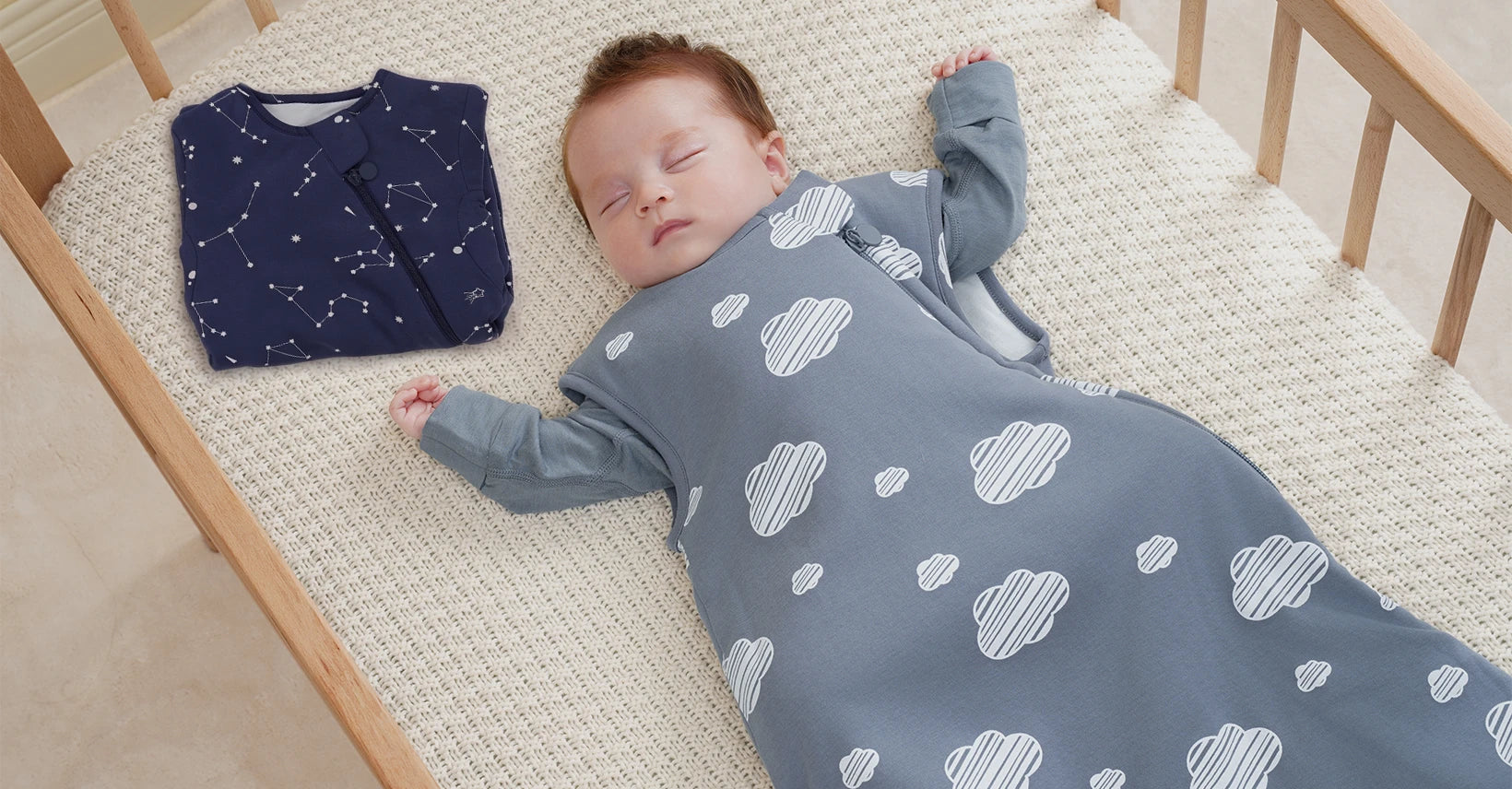
What temperature is a 1.0 TOG sleep sack for?
A 1.0 TOG sleep sack is usually best for a room that stays between 68°F-75°F+ (20°C-24°C). However, this range is just for reference, but not a common rule that works perfectly for every baby.
In a real situation, some babies sleep warm, while some babies feel comfortable in lighter layers, and some rooms drop a few degrees overnight even if the thermostat says otherwise. So it's not comprehensive enough to consider only TOG when dressing a baby at night.
If your nursery stays in that middle range, a 1.0 TOG is often the easiest option to work with. If the room regularly rises above about 75°F / 24°C, a 0.5 TOG is usually a better choice.
If it drops below about 68°F / 20°C, a 2.5 TOG often makes more sense than adding too many layers under a lighter sack.
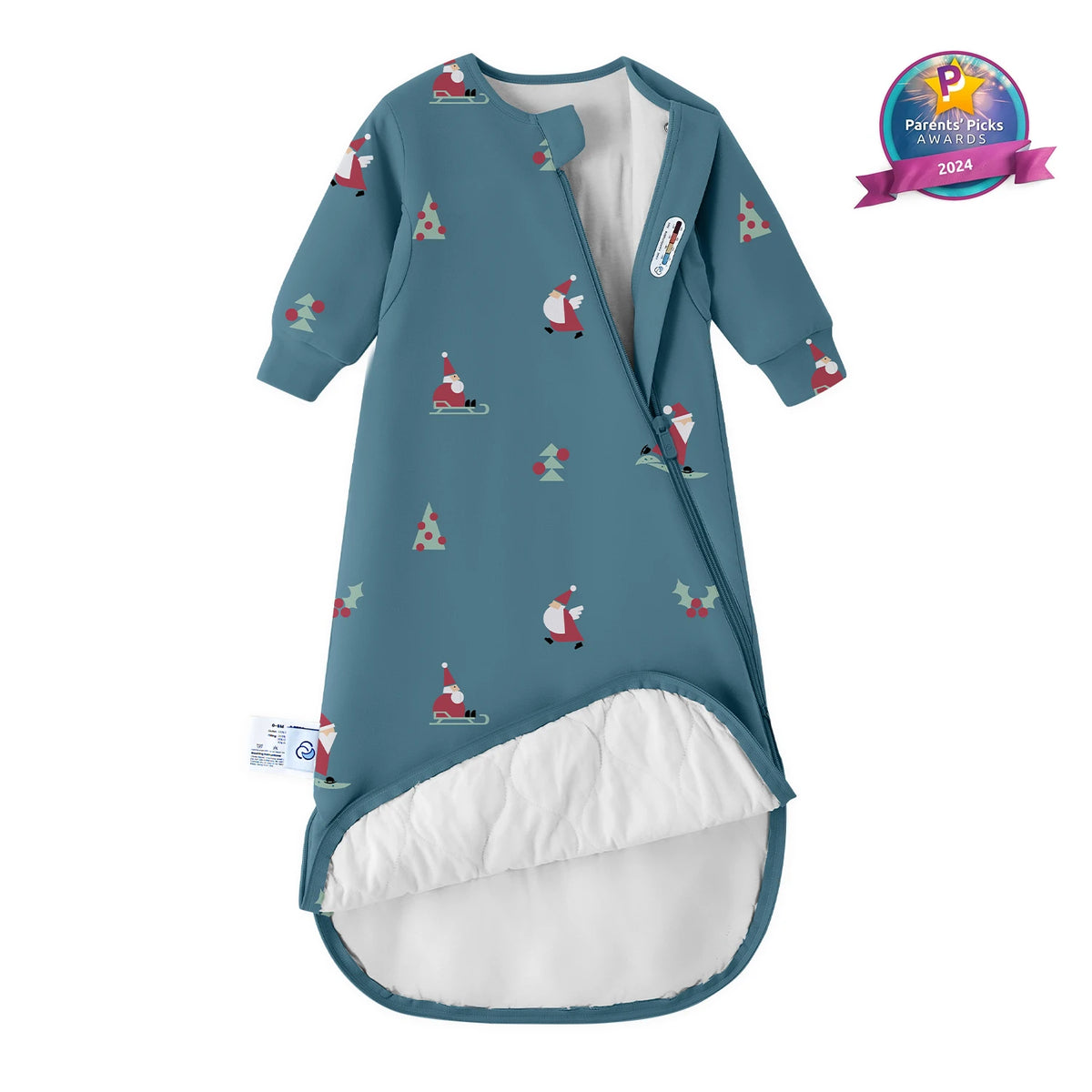
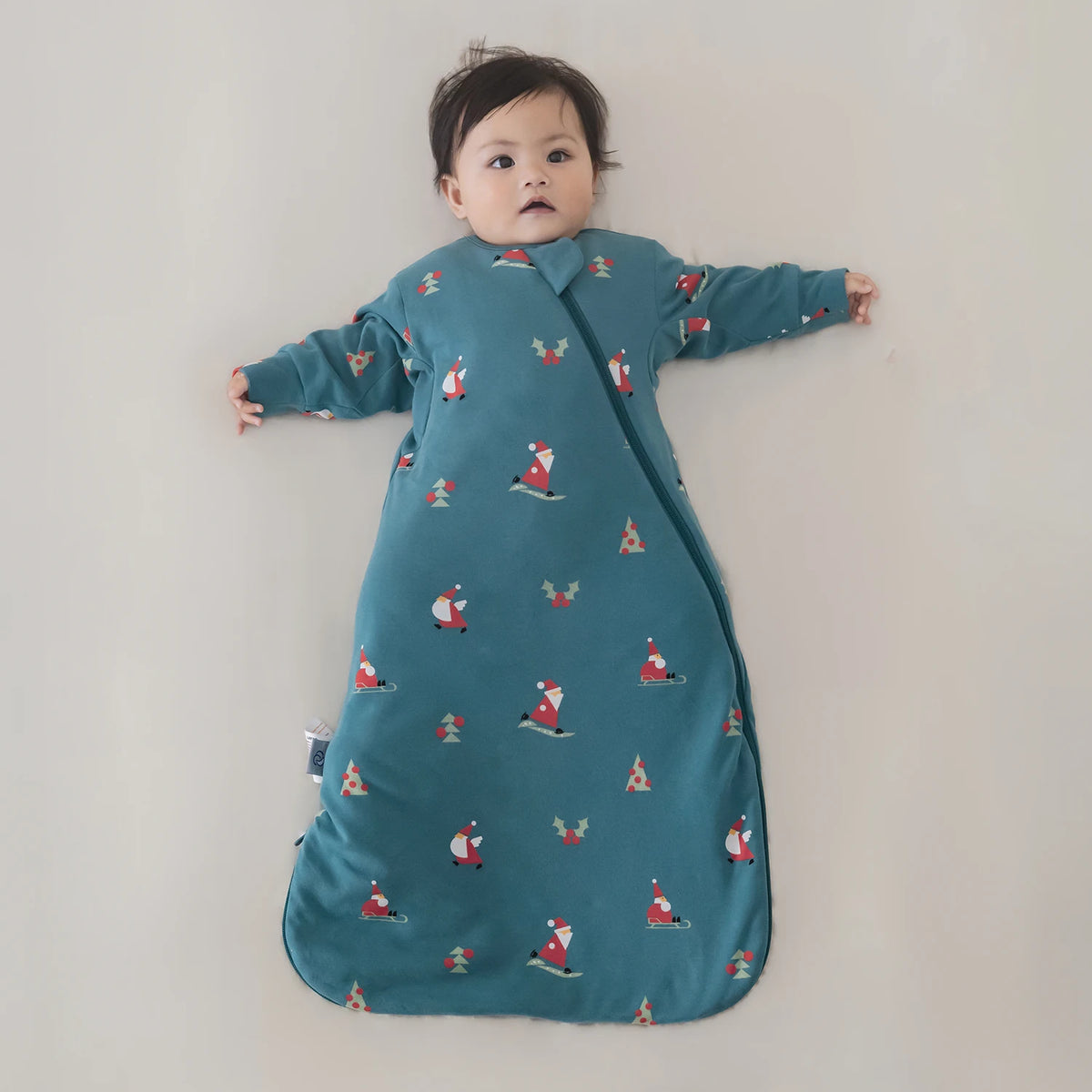
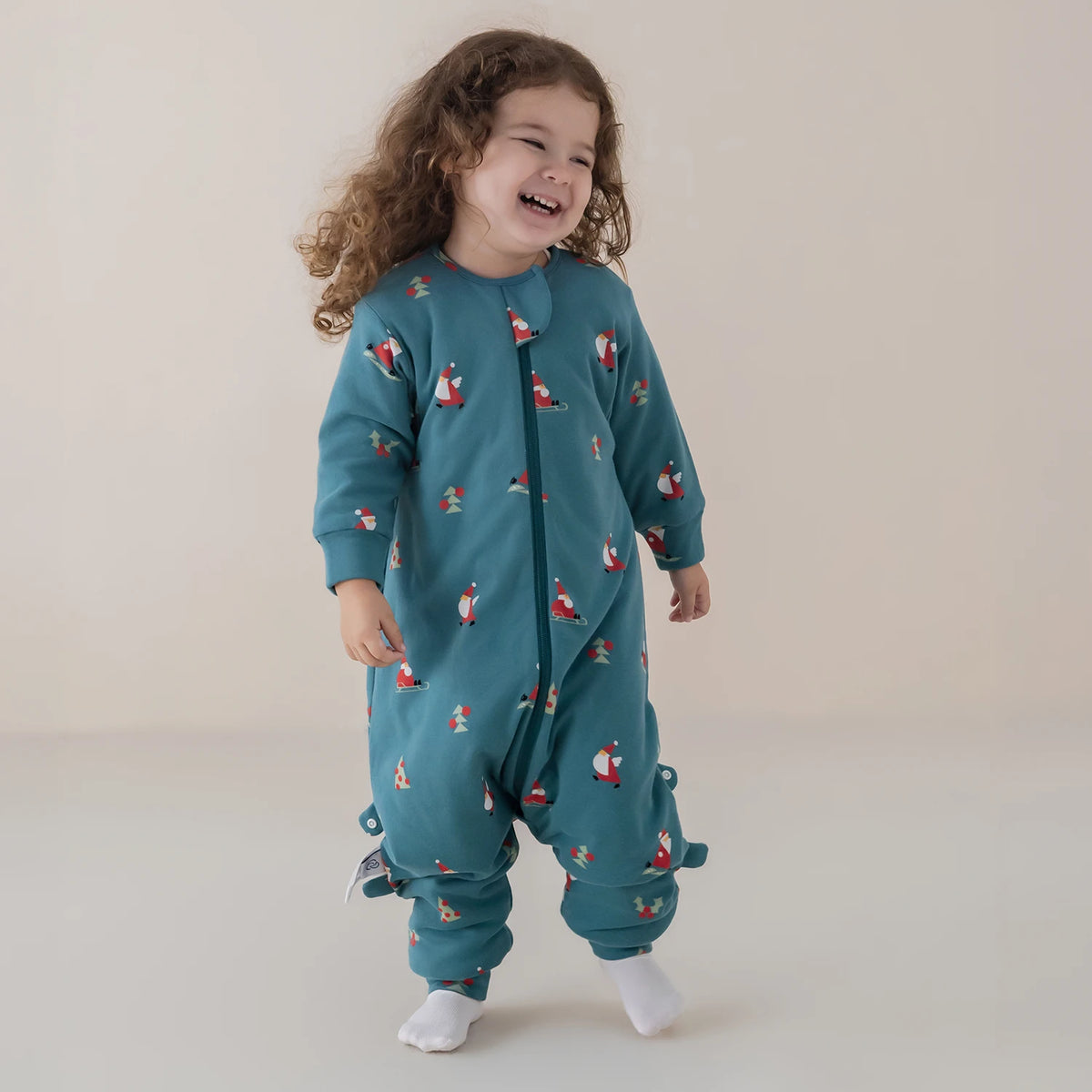
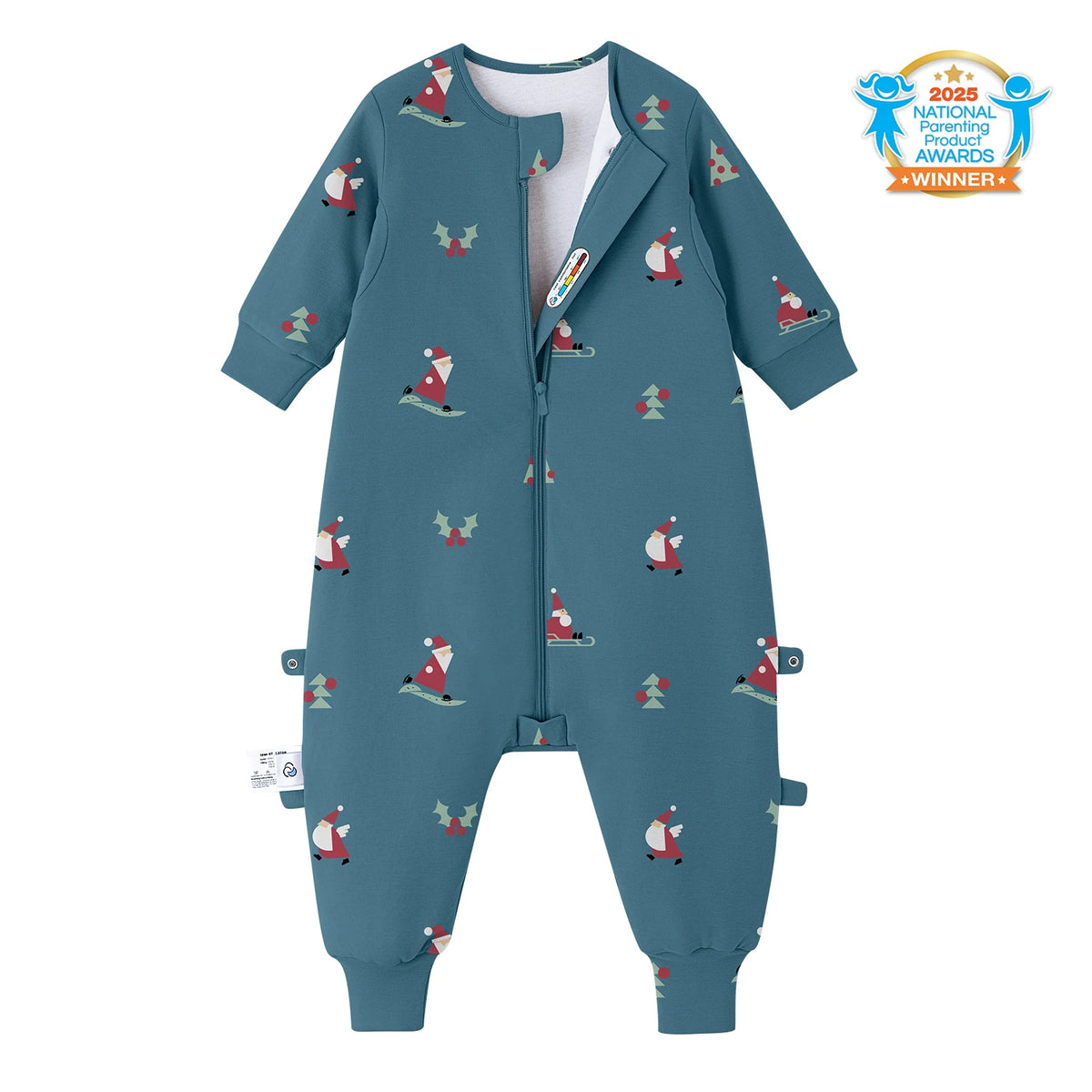
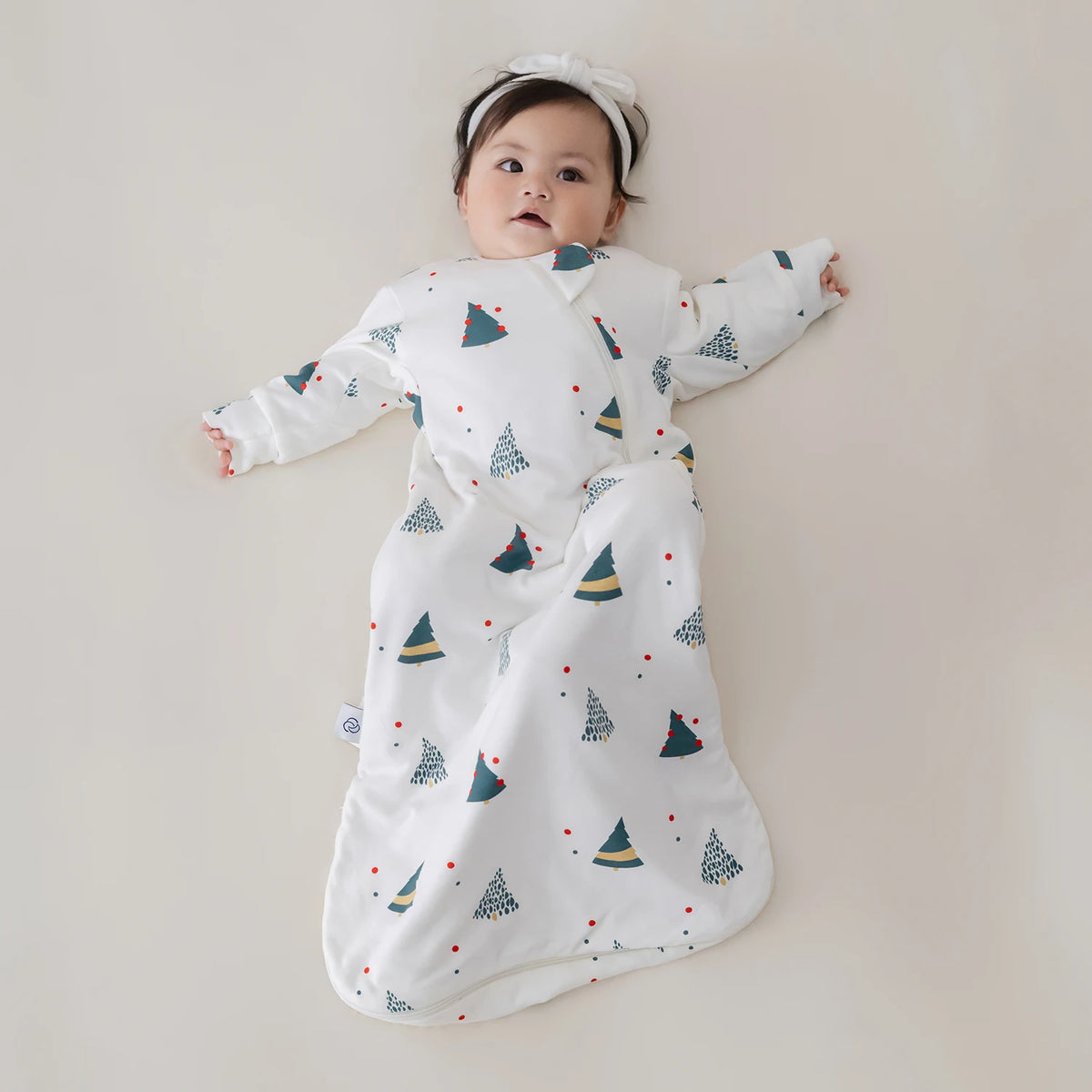
Know 1.0 TOG is right for your room? If your nursery is usually 20°C–24°C / 68°F–75°F+, shop Kaiya Baby’s 1.0 TOG sleep sacks for mild-room wearable warmth.
Shop 1.0 TOG Sleep SacksWhy does 1.0 TOG differ by brand?
Different brands can recommend slightly different temperature ranges for the same 1.0 TOG rating, and it mostly comes down to how their products are built.
TOG measures insulation during testing, but it doesn't tell you whether the fabric is a simple cotton jersey or a quilted polyester fill, whether the sack fits close to the body or has more room for air, or whether the brand assumes your baby is wearing a light bodysuit or full sleepwear underneath.
Two sleep sacks can share the same TOG number and still perform a little differently in practice, which is why the charts don't always line up perfectly.
Here is a closer look at how these brands build their 1.0 TOG sleep sacks, and how that helps explain the differences in their temperature charts:
| Brand | Official 1.0 TOG sleep sack used | 1.0 TOG room temperature | Material | How it may feel in real life |
| ergoPouch | Sleep Sack 1.0 TOG Willow | 67°F-75°F | 55% organic cotton, 40% bamboo viscose, 5% elastane | Soft, stretchy, and close-fitting through the top |
| Kyte Baby | Slumber Bag / Sleep Bag 1.0 TOG | 69°F-73°F (21°C-23°C) |
Exterior: 97% rayon made from bamboo, 3% spandex Filling: 100% polyester |
Soft and breathable, with a slightly puffier and cozier feel |
| Woolino | Ecolino® Adjustable Baby Sleep Bag 1.0 TOG | 69°F-76°F (20°C-25°C) | Two layers of GOTS-certified organic cotton fabric | Light, breathable, and simple, without extra bulk. |
| Love to Dream | Sleep Bag Long Sleeve Original Cotton 1.0 TOG | 68°F-75°F (20°C-24°C) | 93% cotton, 7% elastane | Smooth, light, and flexible, with an easy stretch. |
| nestedbean | Zen Sack Quilted 1.0 TOG | 72°F-75°F | Soft cotton with lightly quilted fill; also includes poly-fill and food-grade polypropylene beads. | More structured and cocoon-like, with a lightly padded feel. |
| Kaiya Baby | Sleep Sack 1.0 TOG | 68°F-75°F+ (20°C-24°C) | Outer&lining: 100% GOTS Certified Organic Cotton; Filling: 30% Camel Wool, 70% SORONA® Polyester |
Soft, breathable, and warm without feeling too bulky. |
From the chart above, brands like ergoPouch and Love to Dream use soft, stretchy fabrics that feel light and flexible; Kyte Baby adds filling for a more cushioned feel; Nested Bean uses quilting and a weighted feature that changes the drape and overall warmth; Woolino keeps it simple with layered organic cotton.
Kaiya Baby combines 100% GOTS-certified organic cotton with camel wool and SORONA® polyester filling for a warmer but still breathable result.
So when two 1.0 TOG charts don't line up exactly, it usually just means they're describing different products.
The most useful thing you can do is treat any TOG chart as a starting point, check your room temperature, consider what your baby is wearing underneath, and adjust as the real situation.
What should a baby wear under a 1.0 TOG sleep sack?
This is where many parents would like to know, since dressing the baby with a suitable base layer underneath is much easier than changing the sleep sack every night.
The chart below guides you on how to dress your little one in a 1 TOG sleep sack with an appropriate base layer:
| Room temperature | What your baby can wear under 1.0 TOG |
| 72°F-75°F+ (22°C-24°C) | A short-sleeve bodysuit or light romper |
| 68°F-72°F (20°C-22°C) | A long-sleeve bodysuit or light romper |
| Above 75°F / 24°C | Consider moving to 0.5 TOG instead |
| Below 68°F / 20°C | Consider moving to 2.5 TOG instead |
| Below 61°F / 16°C | Consider 3.5 TOG for colder rooms |
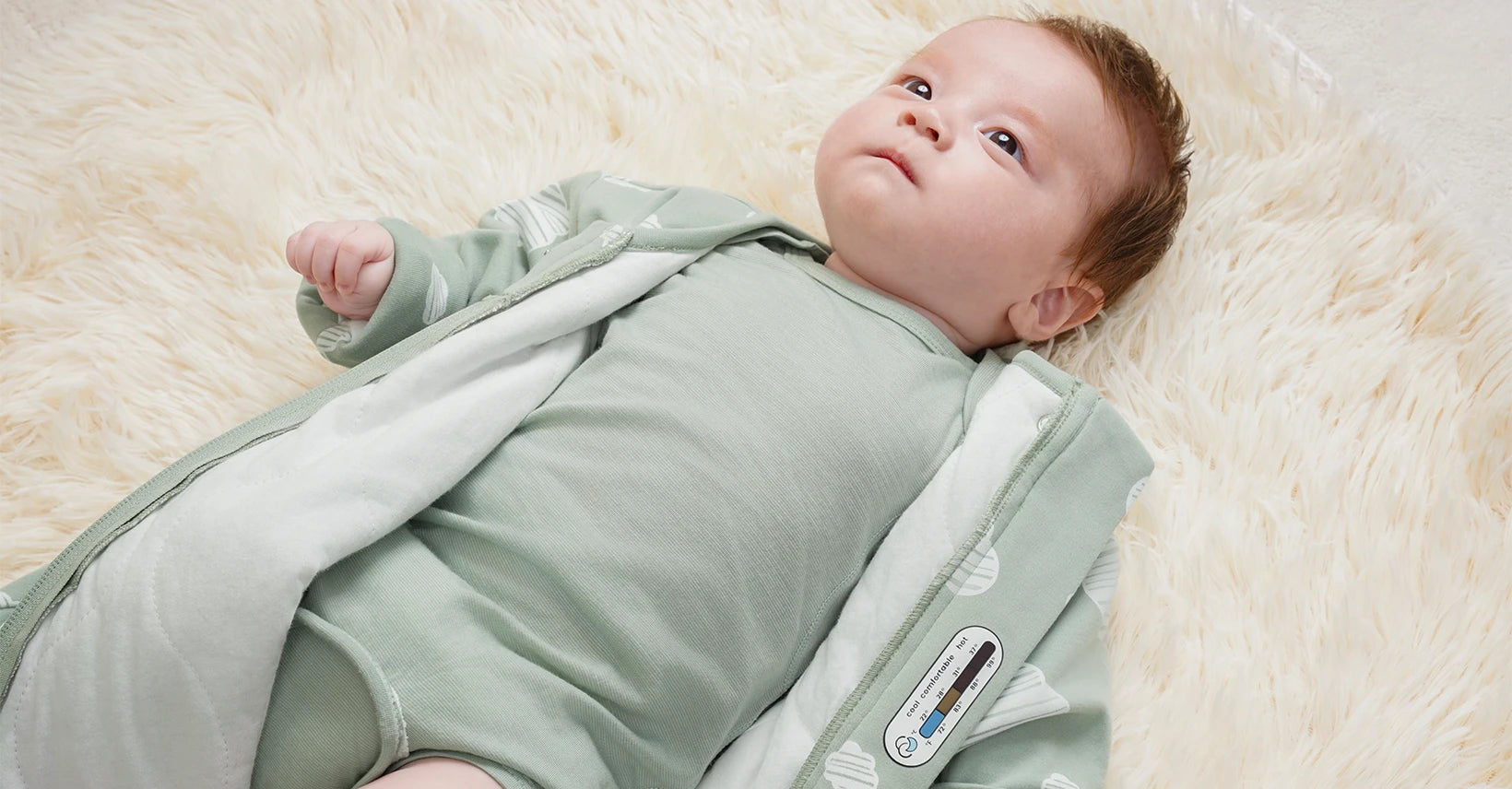
If the room is truly cold, piling more layers under a 1.0 TOG sack is usually not the best choice. It can affect fit, make diaper changes harder, and still may not keep the baby evenly warm.
In that situation, a warmer TOG is usually highly recommended.
How to choose a 1.0 TOG sleep sack?
The TOG number gets you to the right warmth range, but fabric, zipper, fit, and care are what make a sleep sack comfortable for the baby to wear and practical to use. Here, let's look at how to choose a sleep sack with 1.0 TOG:
Material
Not all 1.0 TOG sleep sacks are made the same way, and the fabric affects how warm the sack actually feels in use. Here's a quick overview of the most common options:
| Material | Good for | Keep in mind |
| Cotton | Everyday use, spring and summer | Durable and easy to wash, but less soft than bamboo |
| Rayon made from bamboo | Warm weather, sensitive skin | Softer than cotton, but less durable over time |
| Polyester fill | Parents who prefer a padded feel | Can feel warmer in hot weather |
| Camel wool blend | Cooler spring nights | Warm without bulk, but runs warmer than plain cotton |
| Merino wool blend | Changing seasons, cooler homes | Great temperature regulation, but usually more expensive |
| Quilted cotton | Cooler A/C rooms, mild spring | Feels warmer than a plain jersey at the same TOG |
Avoid anything heavily quilted or padded if your room tends to stay warm, so the little one can feel comfortable with the temperature.
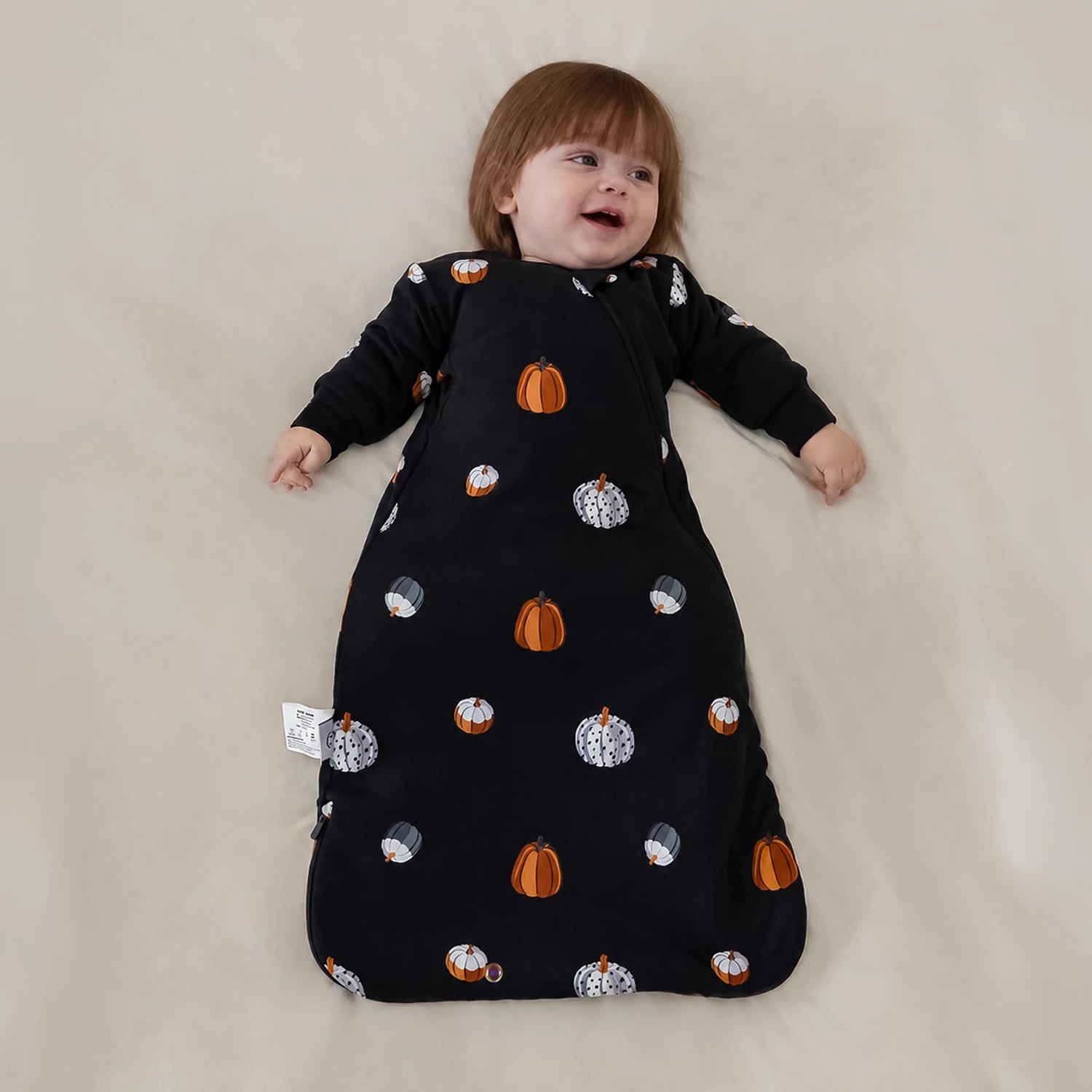
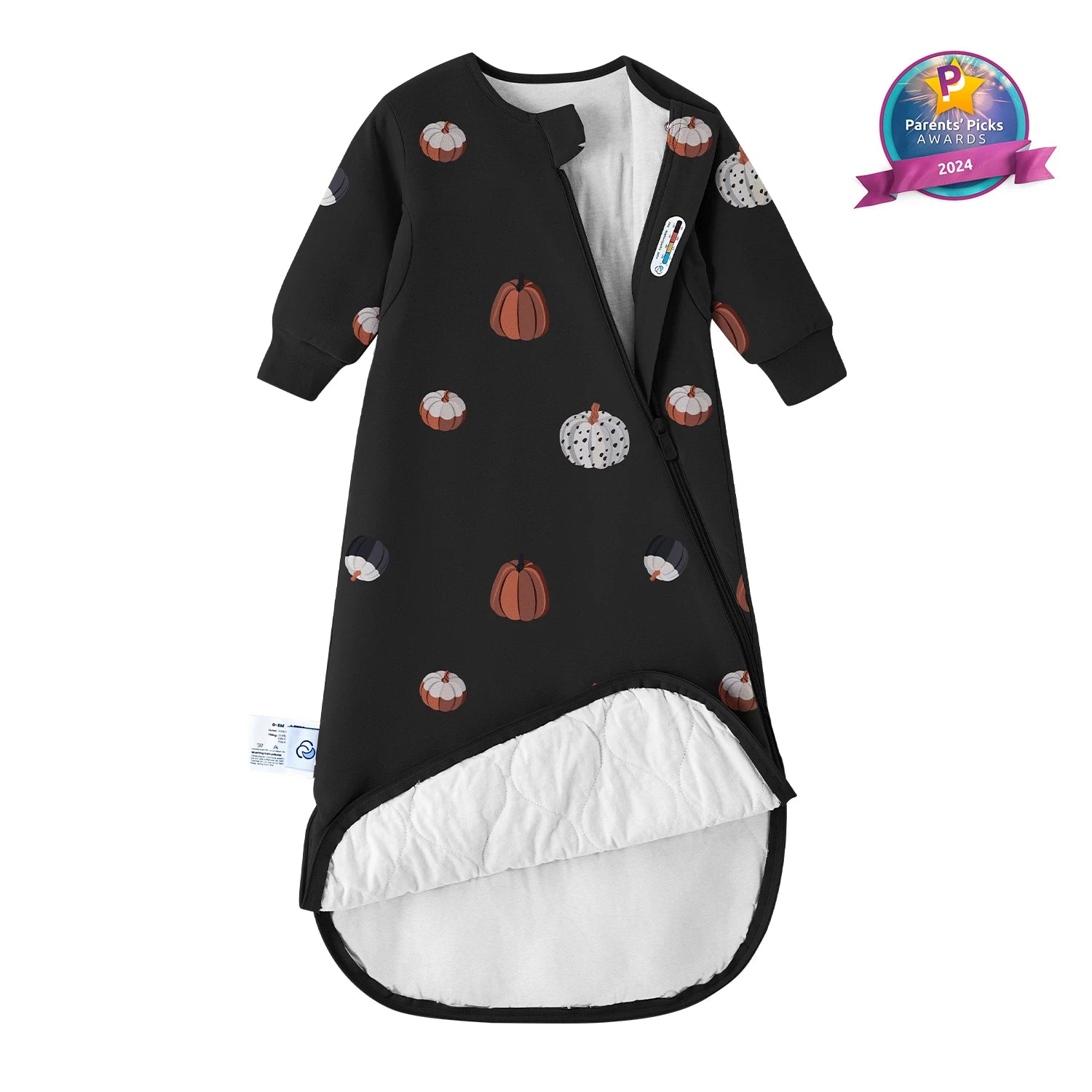
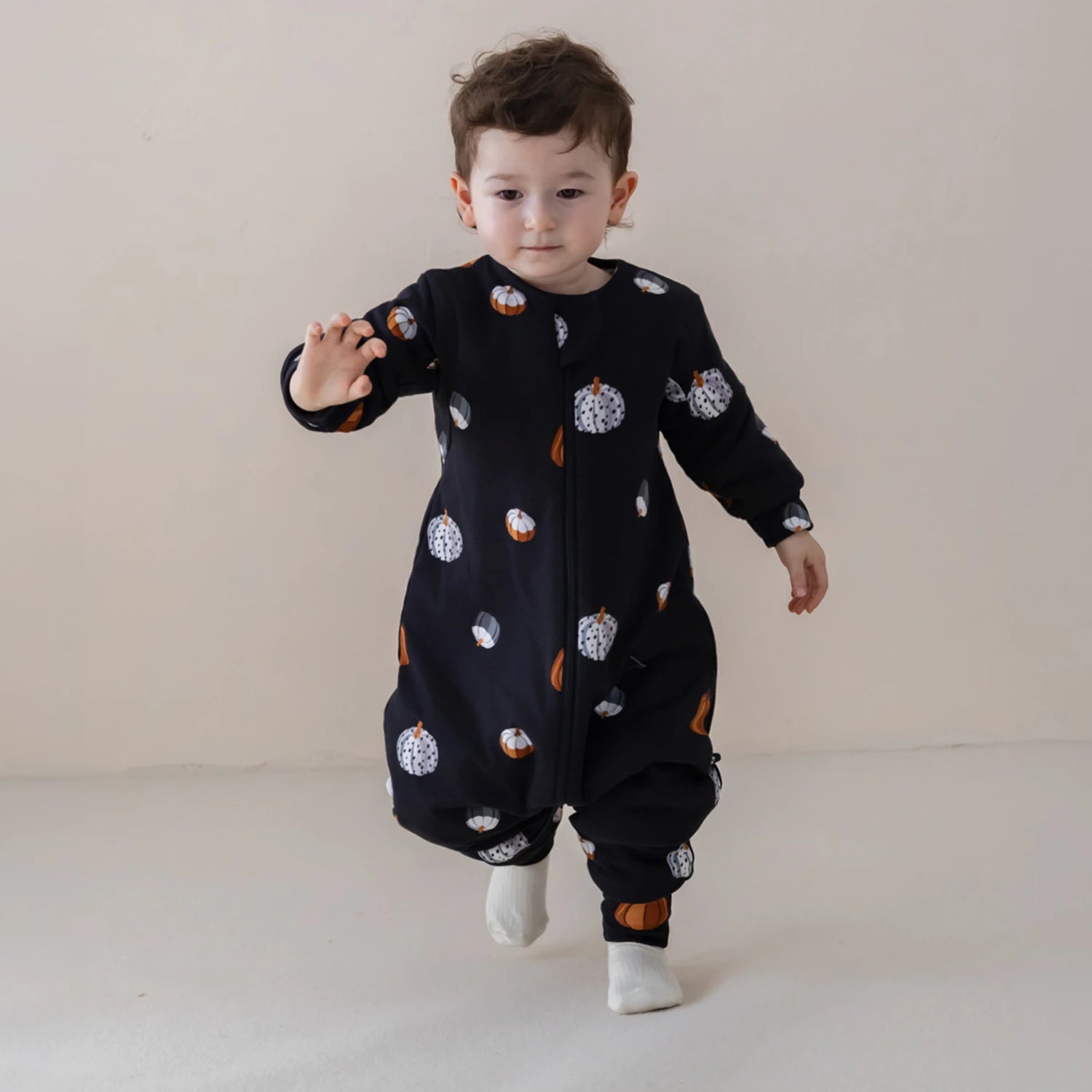
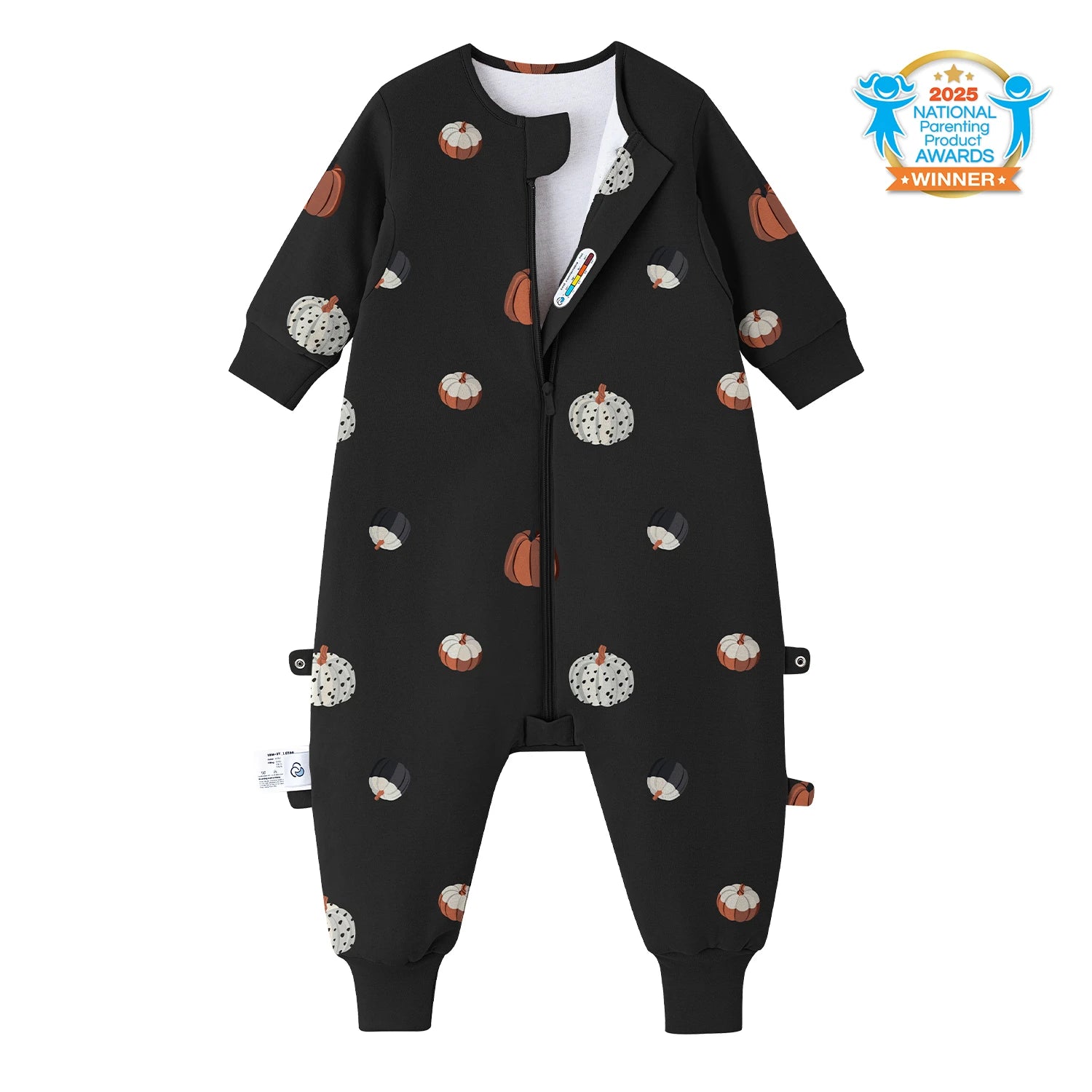
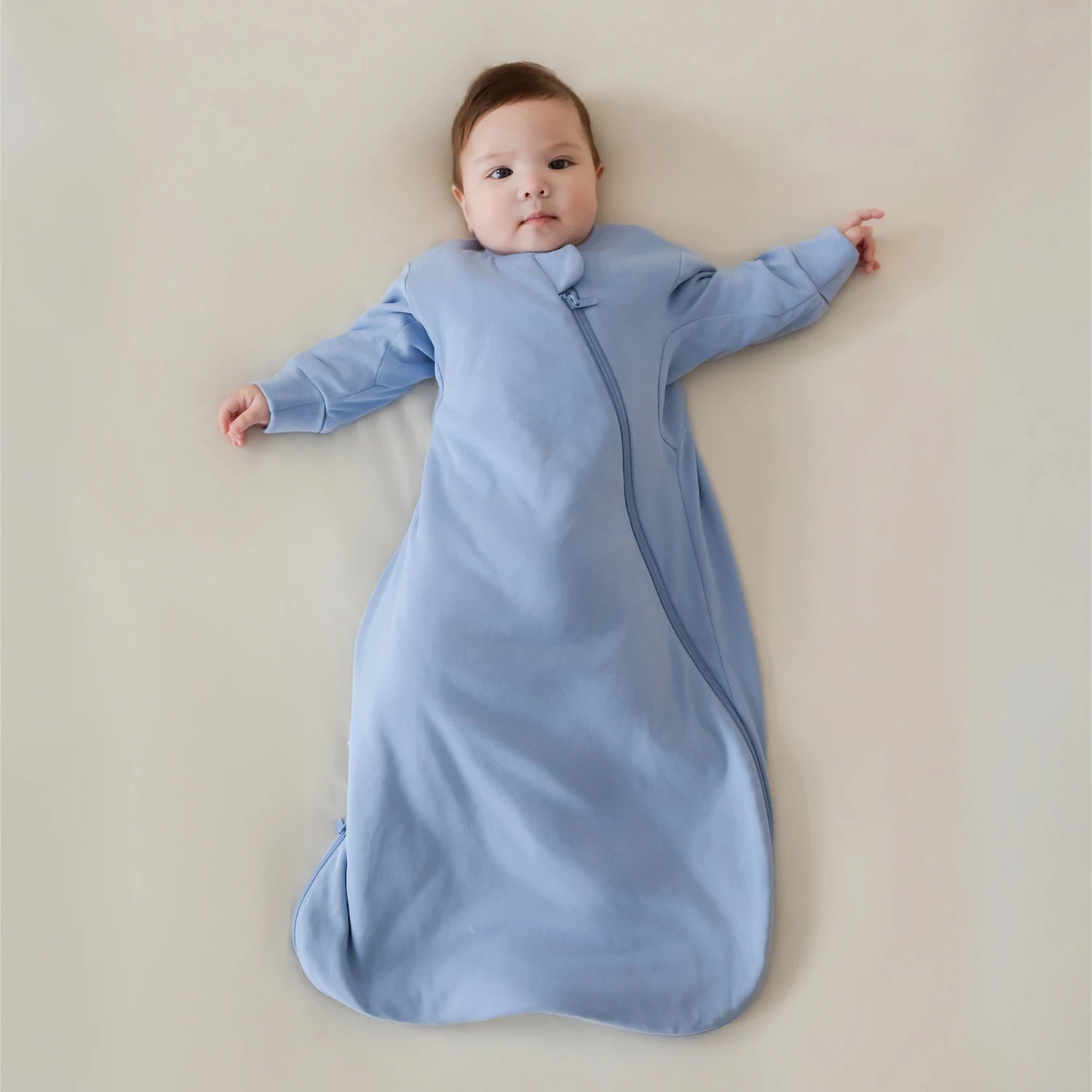
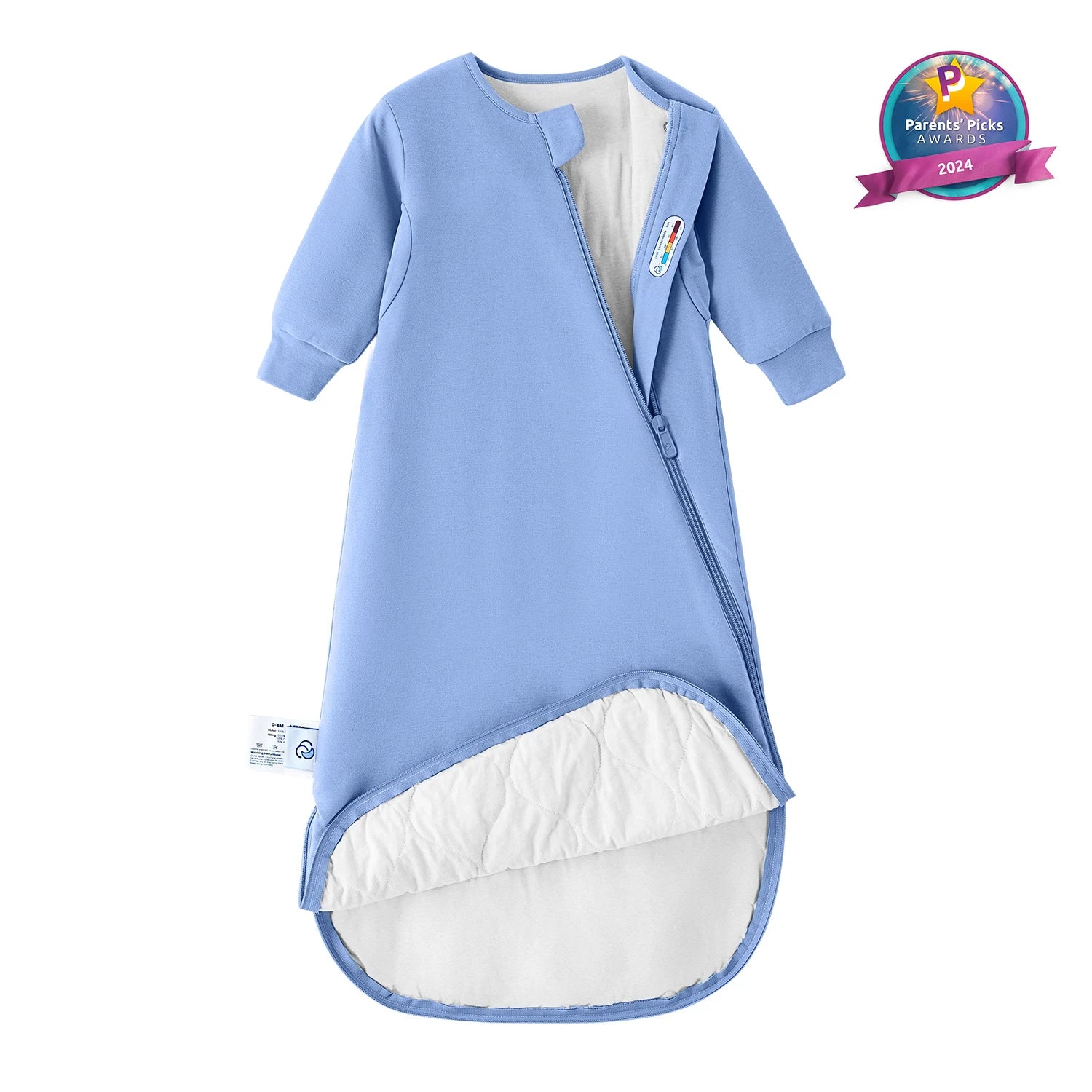
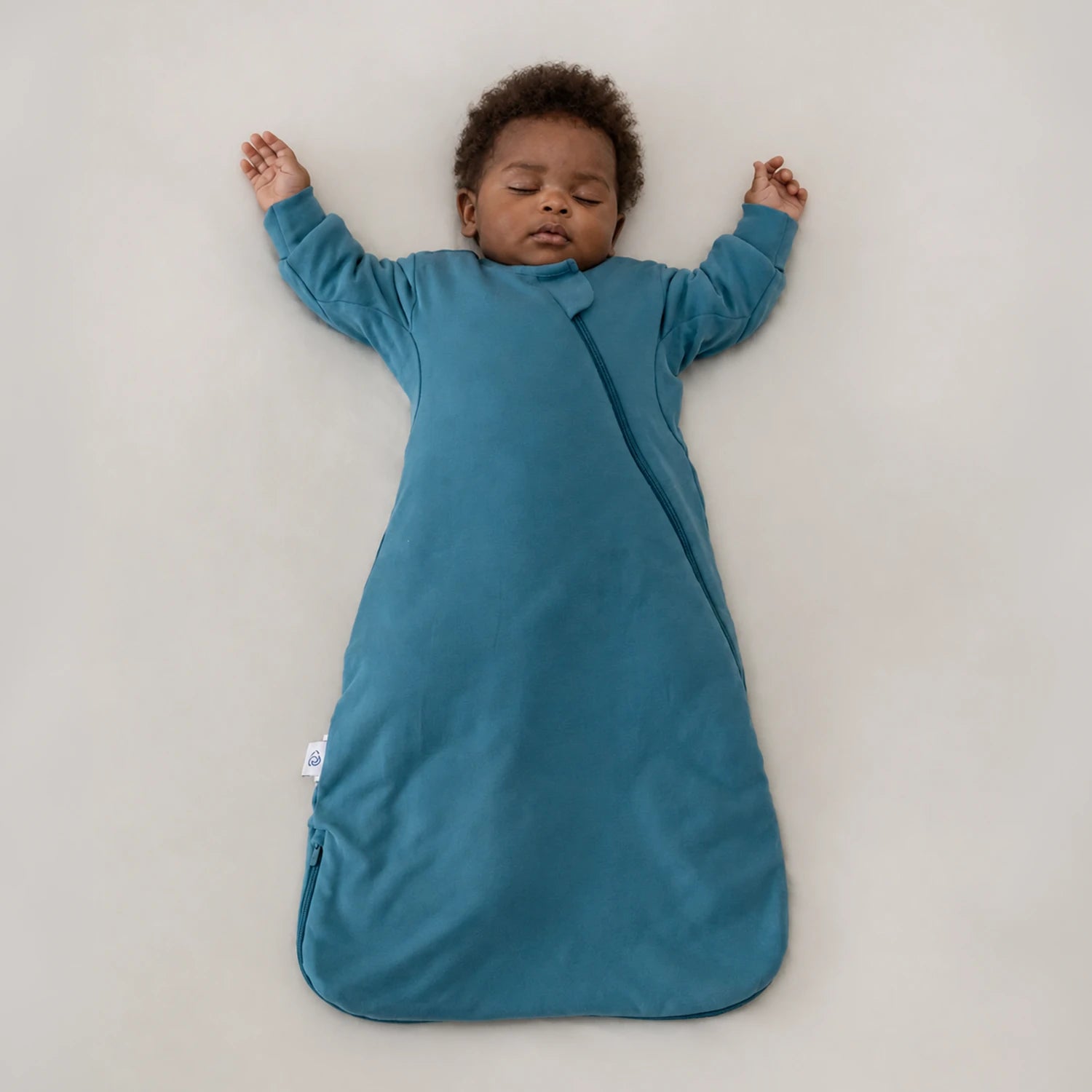
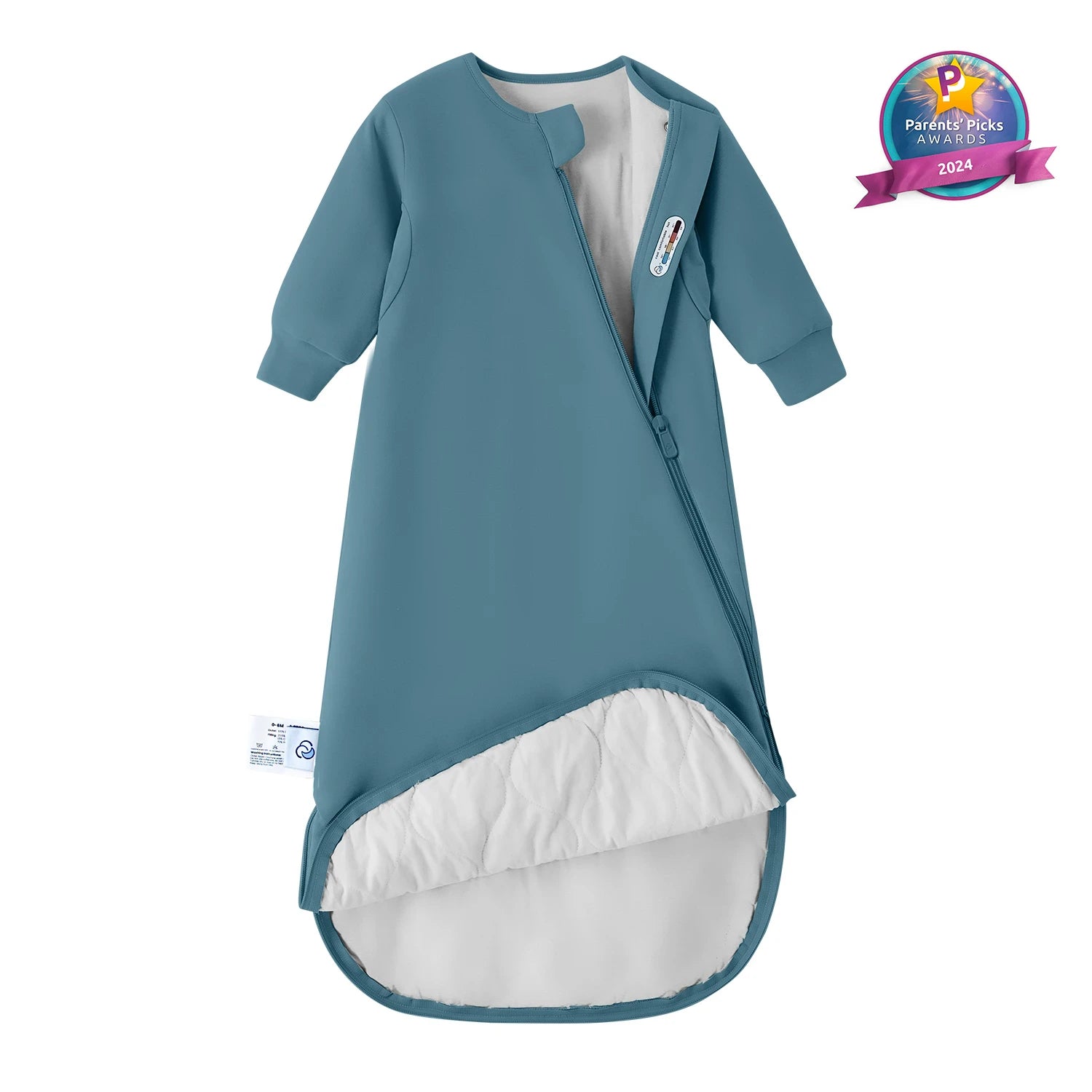
Kaiya Baby's 1.0 TOG sleep sacks use the 100% GOTS-certified organic cotton shell with a camel wool and SORONA® polyester fill, giving the baby a cozier feel than plain cotton without being too heavy for everyday use.

On top of that, the camel wool stands out for its premium temperature-regulating property, and the SORONA® polyester adds extra durability to the sleepwear. Such a perfect match not only provides the baby-soft touch but also makes the daily care much easier.
Zipper
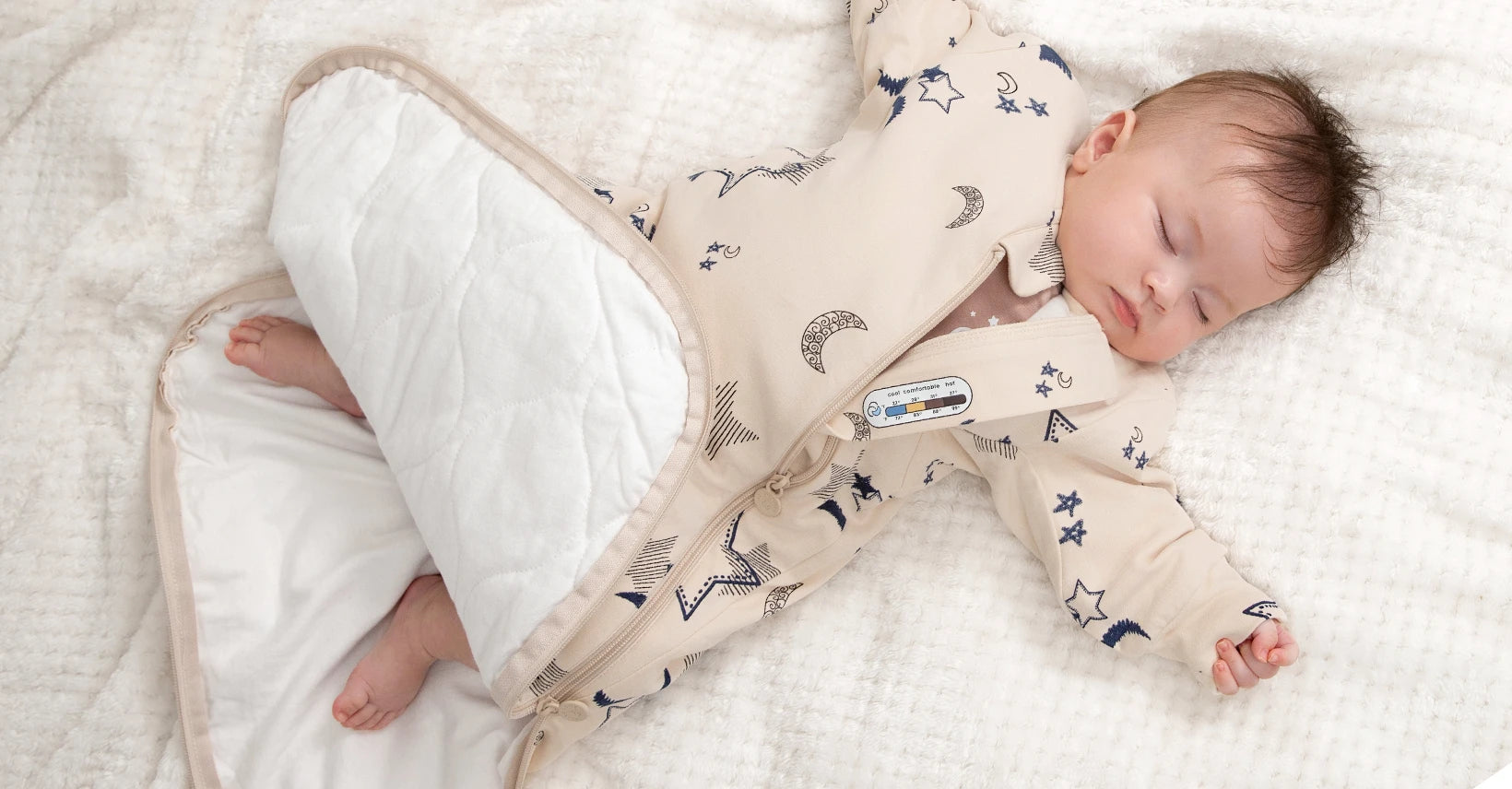
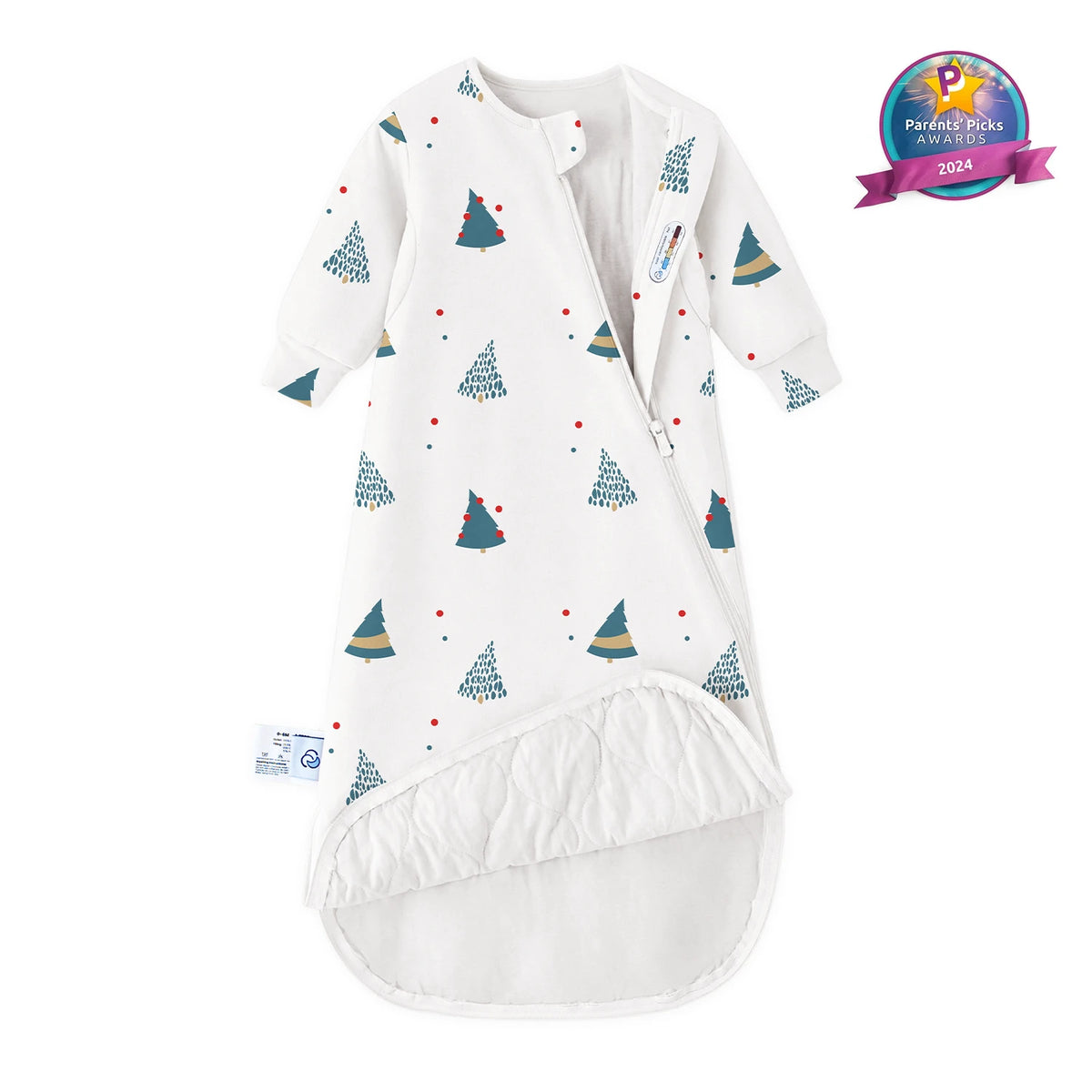
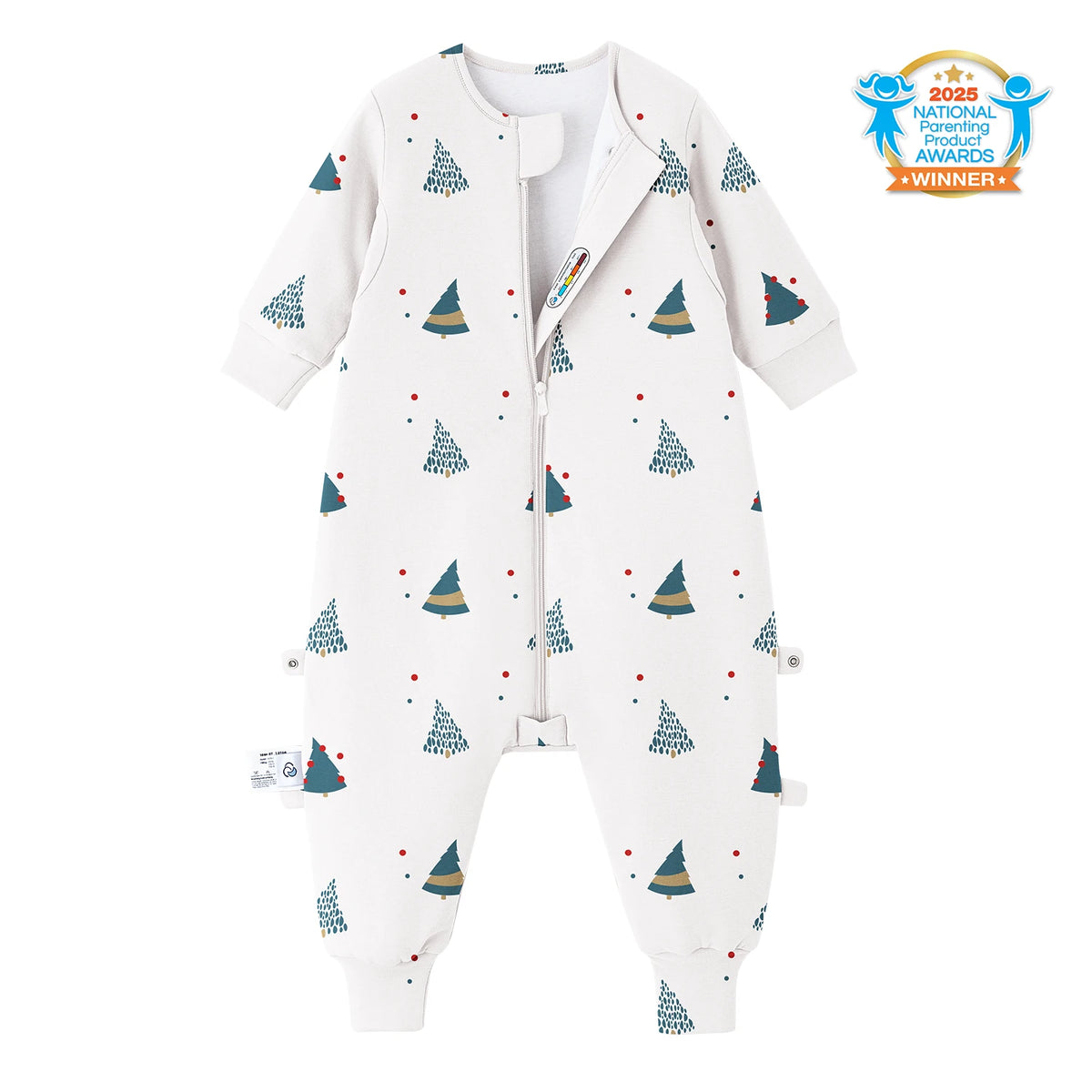
A two-way zipper that opens from the bottom lets you change a diaper without unzipping the whole sack or waking your baby, providing considerate convenience for both of you and your little one.
Kaiya Baby includes a zipper protector to prevent rubbing against the baby's neck or chin.
Fit and size
The neck and arm openings should feel secure without being tight. If your little one is between sizes, don't size up. Too much room around the neck is a safety concern.
Not sure which size to pick? Sleep sack sizing goes by your baby's weight and height, not just their age, and ours are cut a little longer to leave room to kick and grow. Check the size guide before you order.
Safety certifications
Look for OEKO-TEX or GOTS certification, which indicates the fabric has been tested for harmful substances, and US families can also check for CPSC flammability compliance.

Care
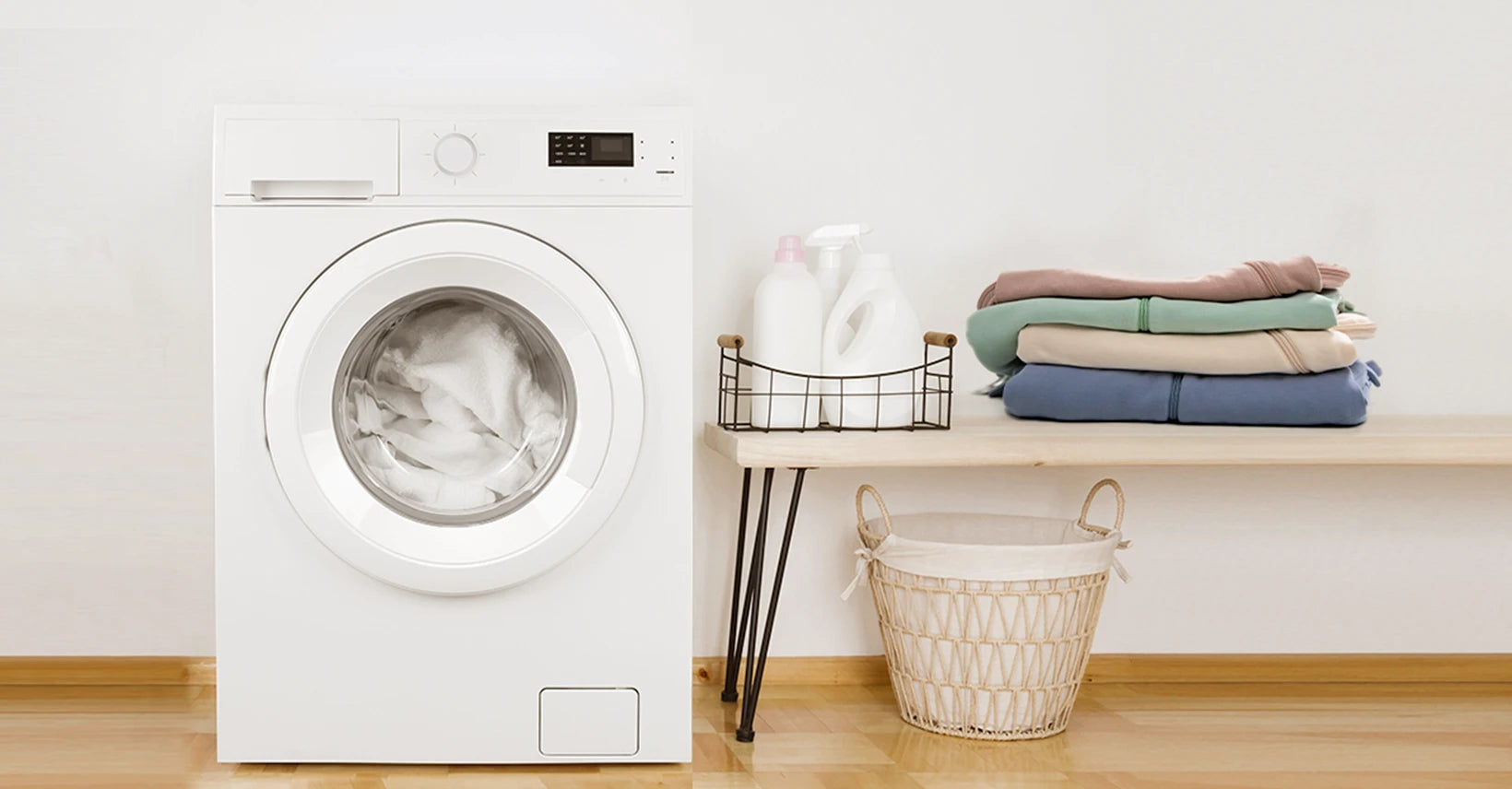
Check the label before buying. An easy-care sleep sack definitely lessens the troubles of daily care; a sleep sack that can't go in the washing machine becomes a problem quickly.
Luckily, Kaiya Baby's sleep sacks are machine-washable, which cuts out these trifles from parenting.
How can you tell if a baby is too hot or too cold?
Checking whether your baby is warm enough comes down to one simple rule: forget the hands and feet. They're almost always cooler than the rest of the body and won't give you an accurate read. The back of the neck or chest is a much better guide.
Here's what to look for:
- Warm and dry at the neck or chest means your baby is comfortable.
- Hot, sweaty, or damp skin, a flushed face, or sweaty hair at the back of the head are signs your baby is too hot or cold while sleeping. You may also notice more restless sleep than usual.
- Cool skin at the neck or chest, combined with frequent waking or trouble settling, may mean your baby needs another layer.
The tricky part is that checking the neck or chest at night risks waking your baby. That's where Kaiya Baby's temperature-sensing sticker comes in.
Instead of touching your baby to check, the sticker changes color to show you how they're feeling: blue means too cold, yellow means comfortable, and orange or brown signals overheating.
Since you can check at a glance without any touching, it significantly reduces the chance of disturbing your baby's sleep. It's a small detail that takes a lot of the guesswork out of nighttime dressing or diaper changes.
Final thoughts
A 1.0 TOG sleep sack works well for most families, but getting the most out of it comes down to more than just the number on the label. Room temperature, what your baby wears underneath, the fabric, and how the sack is built all play a role in how comfortable your baby actually sleeps.
Start with your room temperature, use the dressing chart as a guide, and pay attention to how your baby feels rather than chasing the perfect setup on paper. Most parents find their rhythm after a few nights, and small adjustments usually go a long way.
If you're looking for a 1.0 TOG sleep sack that covers all the basics, Kaiya Baby's option is worth considering.
The 100% GOTS-certified organic cotton shell, camel wool, and SORONA® fill, two-way zipper, and temperature-sensing sticker are all designed to make nighttime a little more straightforward for both your baby and you.
Frequently Asked Questions
Is 1 TOG too hot for 26 degrees?
For many babies, yes. At 26°C (79°F), a 1.0 TOG sleep sack can feel too warm, especially with extra layers, so a 0.5 TOG or lighter clothing is often the better choice.
Can you use a 1.0 TOG in the winter?
You can if the room stays mild, around 20°C-24°C / 68°F-75°F+. If the nursery is cooler than that, a 2.5 TOG or 3.5 TOG is usually more suitable than adding too many layers under a 1.0 TOG.
What should my baby wear under a 1.0 TOG sleeping bag?
Usually, a light base layer is enough: a sleeveless or short-sleeve bodysuit in warmer rooms, or a long-sleeve bodysuit or light romper in cooler, mild rooms. The room temperature matters more than the season name.
Can babies overheat in a 1 tog sleep sack?
Yes, they can if the room is too warm or the layers underneath are too heavy. Check your baby’s chest or the back of the neck rather than hands or feet. Or you can directly check with Kaiya Baby's temperature-sensing sticker.
What temperature is 1.0 tog for baby?
As a general guide, a 1.0 TOG sleep sack is best for mild rooms around 20°C-24°C / 68°F-75°F+. The exact setup still depends on the fabric, the layers underneath, and whether your baby tends to sleep warm or cool.
What is the difference between 1.0 tog and 2.5 tog?
A 1.0 TOG sleep sack is lighter and better for mild room temperatures, while a 2.5 TOG sleep sack is warmer and better for cooler rooms. In simple terms, 1.0 TOG is for lighter layering, while 2.5 TOG gives more insulation.
How to dress baby with 1.0 tog swaddle?
Dress your baby in a light layer that matches the room temperature, such as a short-sleeve bodysuit in a warmer room or a long-sleeve bodysuit in a cooler, mild room. If your baby is showing signs of rolling, stop using a swaddle and switch to an arms-free sleep sack.
what's the difference between a 1.0 tog sleep sack and 1 tog sleep sack?
There is no real difference. 1 TOG sleep sack and 1.0 TOG sleep sack mean the same warmth rating.
1.0 TOG is just the more precise way of writing it, while 1 TOG is the shorter version people often use in search and product copy. For parents, the important part is the TOG level itself, not whether the decimal is shown.
Shop 1.0 TOG Sleep Sacks
Read more
The 4-month sleep regression usually shows up between 3 and 5 months, and for most families, the hardest stretch lasts a few days to a few weeks. It is not a step backward. Your baby's sleep is mat...
Read more
Signs Baby Is Too Hot While Sleeping
Every parent has stood over the crib on a warm night, hand hovering, wondering if the small person in there is overheating. Here is the 10-second answer: slide two fingers onto the back of your bab...
Read more
Leave a comment
This site is protected by hCaptcha and the hCaptcha Privacy Policy and Terms of Service apply.