


Are Sleep Sacks Necessary?


If you have ever stood over the crib at night, wondering whether your baby is warm enough, whether the blanket is safe, or whether you should have bought that sleep sack everyone seems to mention, you are not overthinking it.
These are real questions. They tend to feel heavier when it is late, you are tired, and you just want to get this right.
So let us work through it honestly. Not with a list of things you must buy, but with the kind of thinking that actually helps you figure out what makes sense for your baby, your home, and your nights.
Are sleep sacks actually necessary?
The short answer is no. Not every baby needs a sleep sack.
Some babies sleep well in footie pajamas and stay comfortable all night. If your baby is sleeping soundly without one, there is no problem to fix.
But for many families, a sleep sack is still a practical choice. It keeps the baby warm without adding anything loose to the crib, which is why it fits well with safe sleep guidance.
It also stays in place through the night, so parents do not have to keep checking whether a blanket has been kicked off.
For some babies, it also becomes part of the bedtime routine. Once the pajamas are on and the sleep sack goes on, that repeated pattern can help signal that sleep is next.
So no, a sleep sack is not a requirement for every baby. But it is often a simple and genuinely useful option.
Are sleep sacks safe for newborns?
You want to keep your newborn warm, but safe sleep guidance from the AAP and the CDC is clear: loose blankets, pillows, and soft objects do not belong in the crib for babies under twelve months. This helps reduce the risk of SIDS.
Except for the items discouraged by the two professional baby sleep sources, a well-fitted sleep sack sits right in the middle of that tension. It keeps the baby warm without anything loose in the crib, because it is worn rather than draped.
Therefore, yes, sleep sacks are safe, and for most newborns, they are a genuinely good choice. But fit, fabric, and TOG all matter, which are worth balancing before you buy.
If you want to figure out more details of whether the sleep sacks are safe for your newborn baby, you can visit this page that we have explored:
Why are sleep sacks greatly welcomed by parents?
The reasons that parents love sleep sacks are usually very simple.
Most of the time, it comes down to small nighttime problems that keep happening. A sleep sack helps solve them in a way that feels easy and practical. Here are the detailed reasons:
1. The most common reason is that the sleep sack stays on.
Babies kick, roll, and wriggle in their sleep, and a blanket that starts in the right place often ends up somewhere else.
For parents who wake to find the blanket pushed to the corner of the crib, a sleep sack removes that worry.
Baby stays covered, and there is one less thing to fix in the late nights.
2. Routine is another reason many parents keep reaching for one.
When the same steps happen in the same order, pajamas on or sleep sack on, lights down, the baby often starts to connect that pattern with sleep.
It becomes a familiar sleeping cue, and that can help bedtime feel calmer and more settled.
3. Sleep sacks help reduce the risk that the baby's leg gets stuck in the crib bar.
A fitting sleep sack can stop little legs from slipping through crib slats, since some parents find the little ones slow down early climbing once babies become more mobile.
4. Sleep sacks are widely used across a temperature range
On top of that, a few also find them more economical, since one or two sleep sacks over lighter pajamas can work across a wider range of temperatures than buying many heavier sleepers.
5. Some babies also seem to like how a sleep sack feels.
Not tight or restrictive, but gently cozy in a way that helps the baby wind down more easily. It is not something parents can always predict, but when it happens, they tend to notice it quickly.
When is the sleep sack not a good choice?
Sleep sacks work as a good assistant for the parents to wind down the baby sometimes, but it does not fit all families.
For instance, some little adventurers find sleep sacks uncomfortable. They want their feet free and settle far better in a simple footie pajama with nothing extra around.
A sleep sack may also feel unnecessary in a home where the nursery stays consistently warm through the night. If your baby is comfortable and sleeping well, your current setup is working with no need for further assistance.
All in all, what matters is that your baby is safe, warm enough, and resting as well as babies rest. And you just observe the baby's habits and preferences, then conclude the one that fits it perfectly.
Sleep sacks vs. swaddles
Once you find that a sleep sack is necessary for your baby and your family, you may wonder what the difference is between the sleep sack and swaddles, especially when your baby is in transition.
In comparison, a swaddle wraps the baby snugly, usually with the arms in. It is most helpful in the early weeks, especially when the startle reflex can easily wake newborns. Some babies love that snug feeling, while others settle better with their arms free.
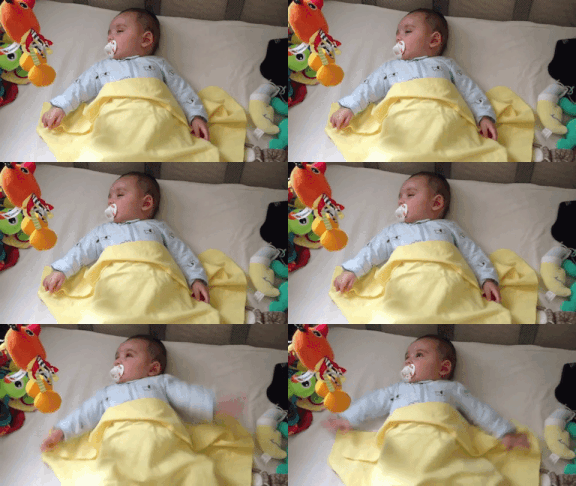
A sleep sack is different, which is a wearable blanket instead of a wrap. Baby movement is freer, and it is covered without being tightly contained.
Most parents switch to a sleep sack when swaddling is no longer safe. The clearest sign is rolling. Once a baby starts trying to roll, swaddling needs to stop, because a swaddled baby who rolls onto the stomach cannot easily push back up.
At that stage, a sleep sack is usually the next step. For babies who struggle with the change, some transitional sleep sacks allow parents to free one arm at a time. They are not essential, but they can make the switch feel easier.
How to choose a sleep sack for the baby?
If a sleep sack feels right for your baby, a few basics matter most before purchasing.
If you need a complete page that walks you through the whole selection decision, go to our ultimate selection guide for more specific details directly:
Or, check the conclusions below here:
1. The fit should feel secure around the neck and shoulders, with enough room at the bottom for the legs to move freely.
2. The TOG should suit the nursery temperature rather than the season alone.
3. Fabric matters too, especially for babies who seem uncomfortable in anything bulky or less breathable.
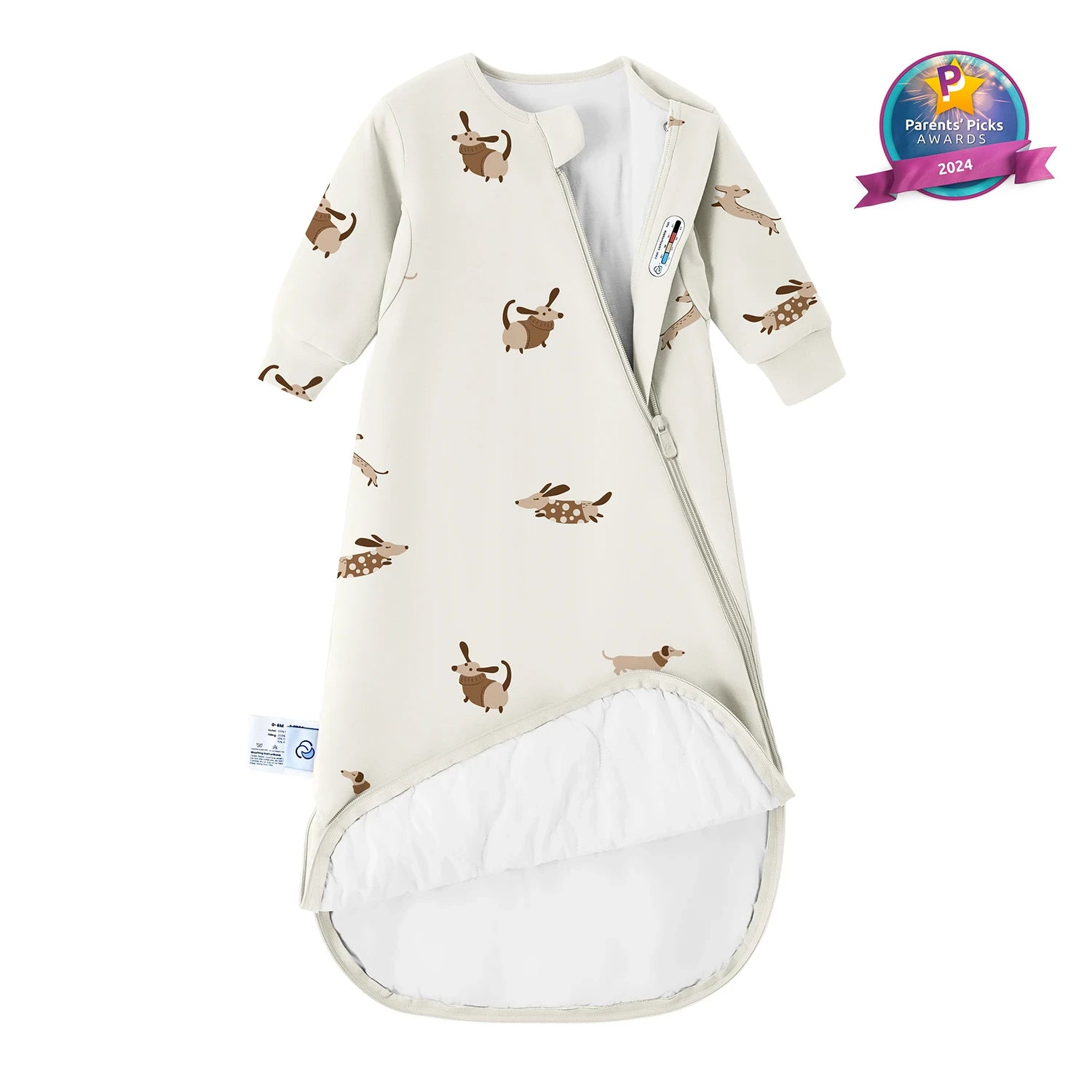
4. Small details can help in everyday life. For example, a two-way zipper makes diaper changes easier at night, and an easy way to check comfort can bring peace of mind.
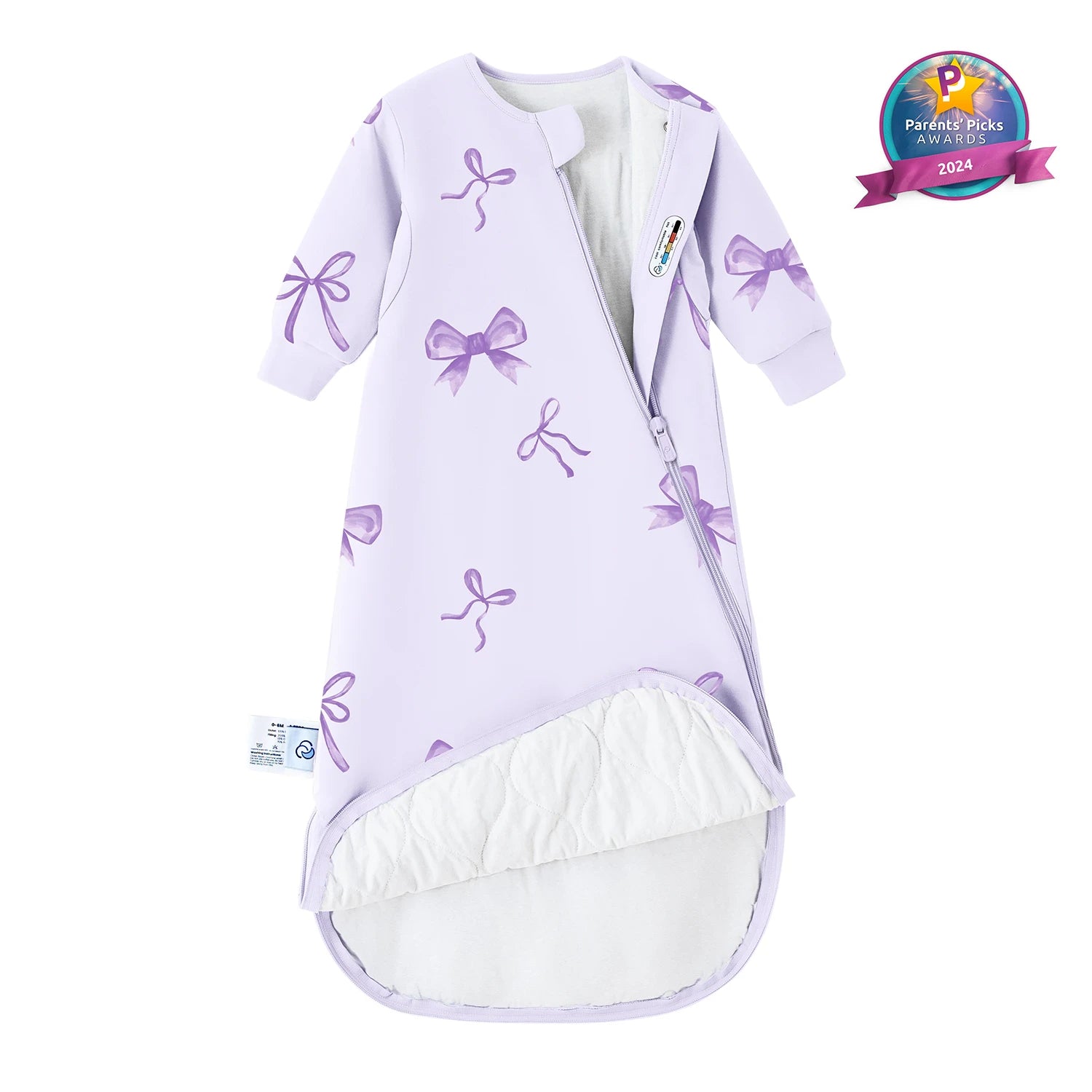
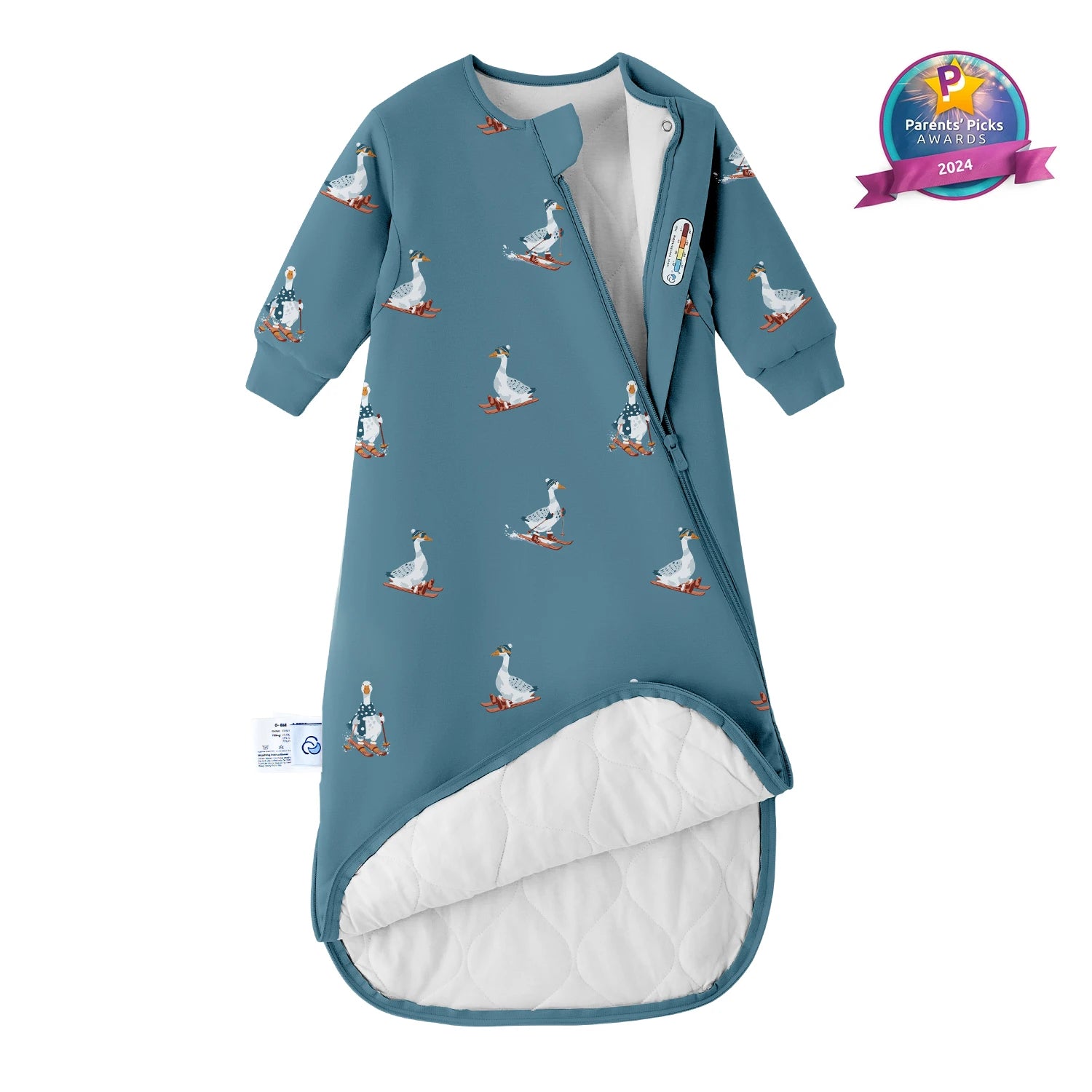
Kaiya Baby sleep sacks include a temperature-sensing sticker, which gives parents a quick visual check without disturbing the baby's sleep.
Tips that you should know as your baby grows
It's worth mentioning that the sleep sack works at two months may not work in the same way at eight months, and that is completely normal.
As babies grow, they move more, sleep differently, and need different kinds of comfort. Some families start with a swaddle-transition style in the early weeks, then move to a regular sleep sack once the baby is ready for more freedom.
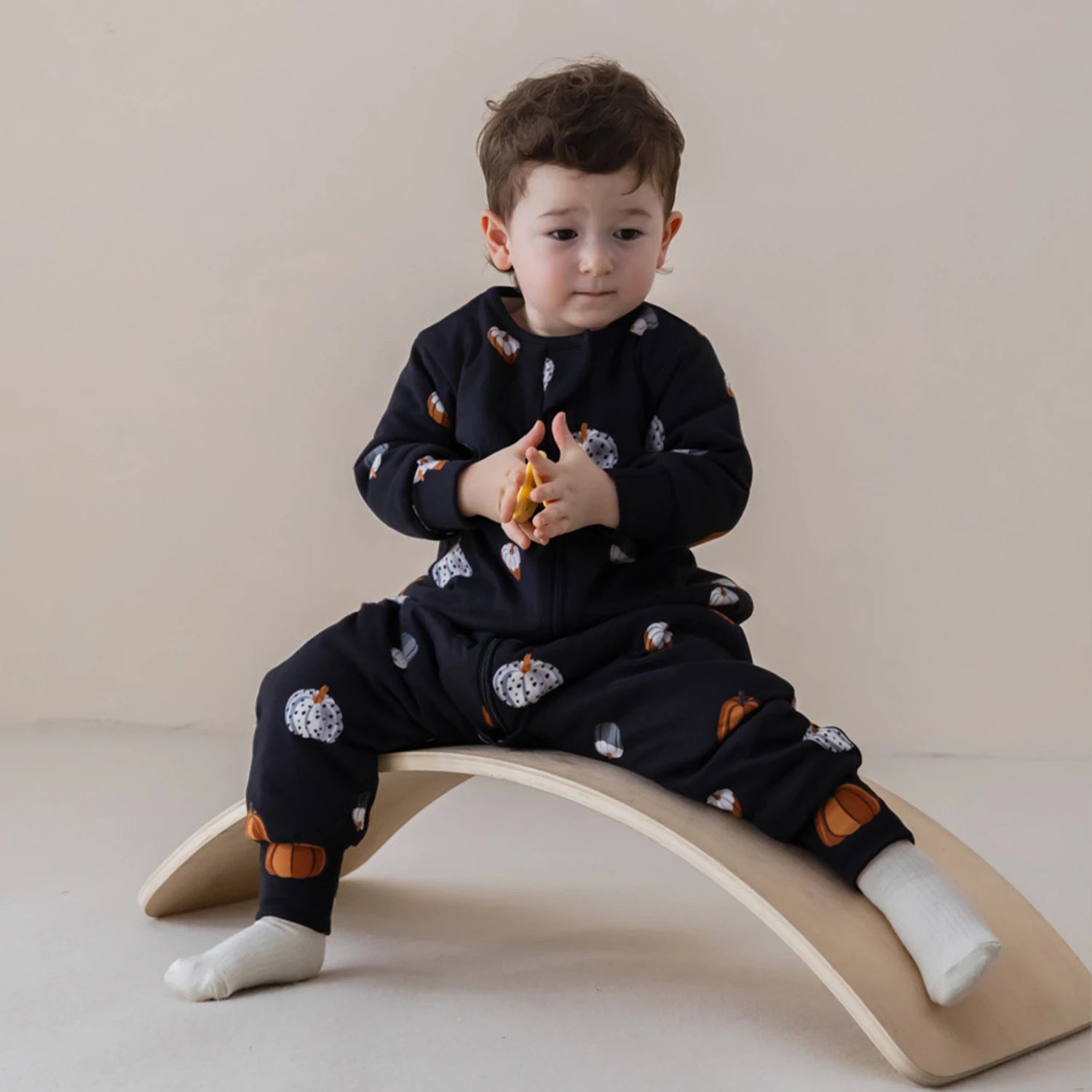
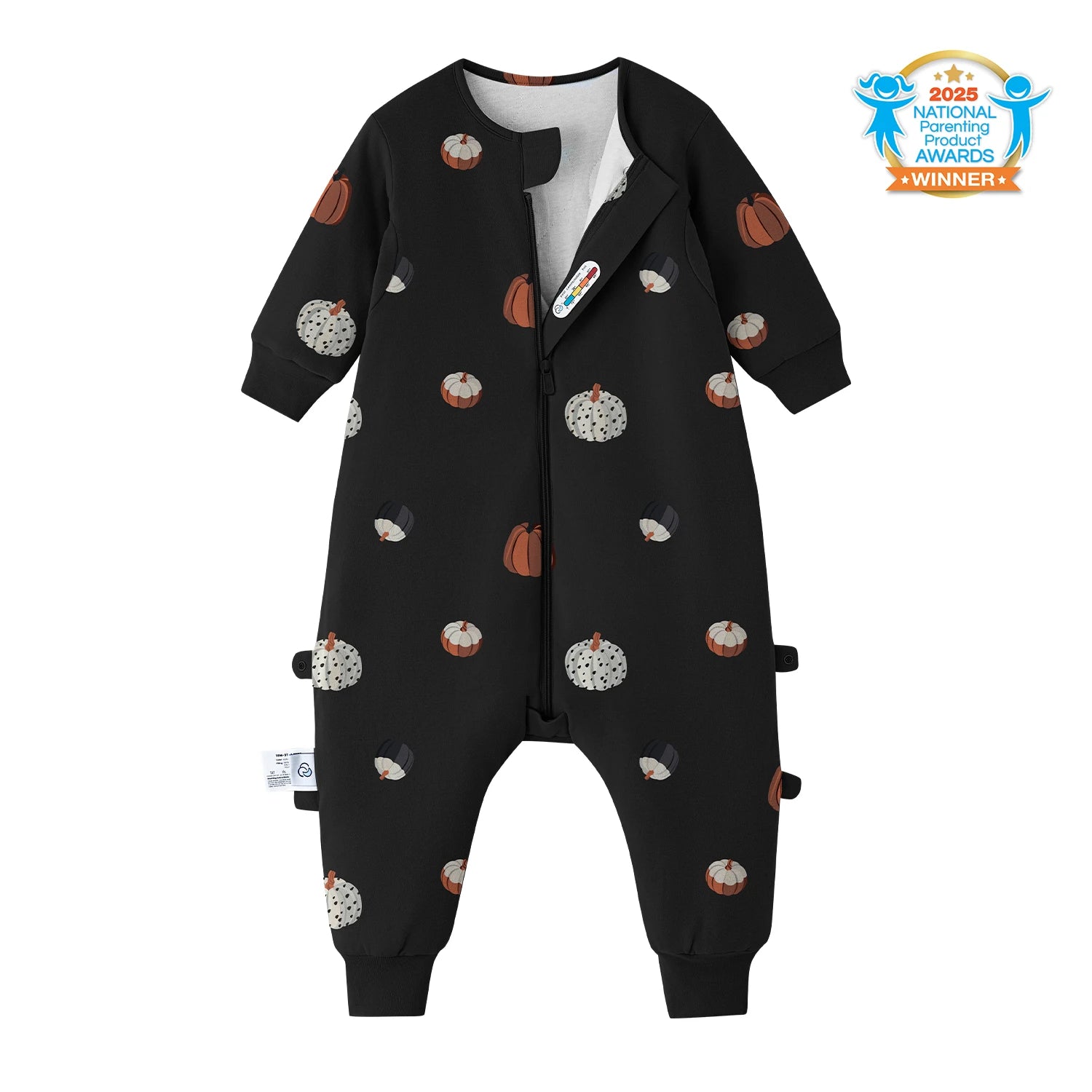
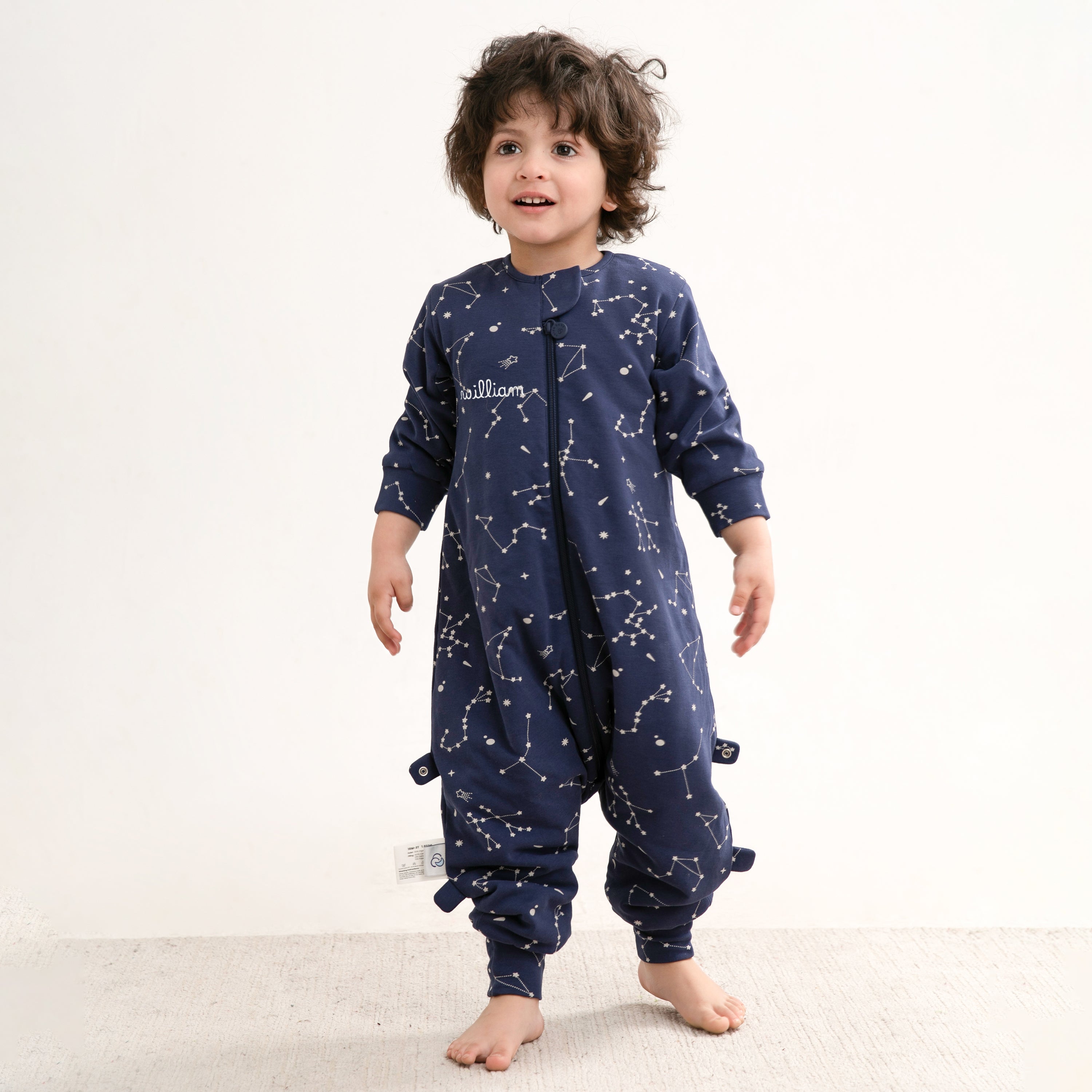
Later on, a roomy sleep sack becomes more important as babies roll, crawl, and pull to stand. Once toddlers are walking well, some families switch to a sleep sack walker so they can move more easily before bed.
There is no fixed sleep sack for any developmental stage. The simplest approach is to watch your baby and adjust when something no longer seems comfortable or useful.
Final thoughts
A sleep sack is not something every baby must have.
But for many families, it makes nights easier. Baby stays warm without loose blankets in the crib, bedtime feels more settled, and there is one less thing to worry about after the lights go out.
If you decide to use one, look for a sleep sack that feels soft, suits your room temperature, and is easy to use at night.
Kaiya Baby sleep sacks are made with GOTS-certified organic cotton, camel wool in the warmer styles, and a temperature-sensing sticker for quick comfort checks without disturbing sleep.
If a sleep sack does not feel right for your family, that is okay, too. The goal is simply to find a sleep setup that feels safe, comfortable, and manageable for your baby and your home.
Frequently Asked Questions
Do sleep sacks actually help babies sleep better?
Sometimes, yes. They can help babies who wake when they get cold or respond well to a clear bedtime cue. For babies who already sleep well, a sleep sack may not change much.
What if my baby just does not like it?
That happens. Before giving up, it may help to try a different TOG, a softer fabric, or a roomier fit. If your baby still settles better without one, that matters more than any general advice.
Can my baby just sleep in footie pajamas instead?
Yes. Many babies sleep well in footie pajamas. A sleep sack is one option, not the only one.
What about summer? Do we still need one sleep sack?
It depends on the room. An air-conditioned nursery may still need a lightweight sleep sack, while a warmer room may only need a very low TOG or light sleepwear.
How many sleep sack do we actually need?
Two is usually enough to start. If your home changes a lot with the seasons, one lighter TOG and one warmer TOG often work well.
How do I know when to size up?
It is time to size up when the baby’s feet are reaching the bottom, the neck feels snug, or the fabric looks stretched. Use the brand’s weight and length guide, not age alone.
Will a sleep sack work when we travel?
Yes. Many parents find sleep sacks helpful when traveling because they keep part of the bedtime routine familiar. A lightweight one is often easy to pack.
When do we stop using the sleep sack?
There is no set age. Some children stop early, while others keep using a sleep sack into toddlerhood. If it still fits safely and your child is comfortable, there is no need to rush.
Best Sellers
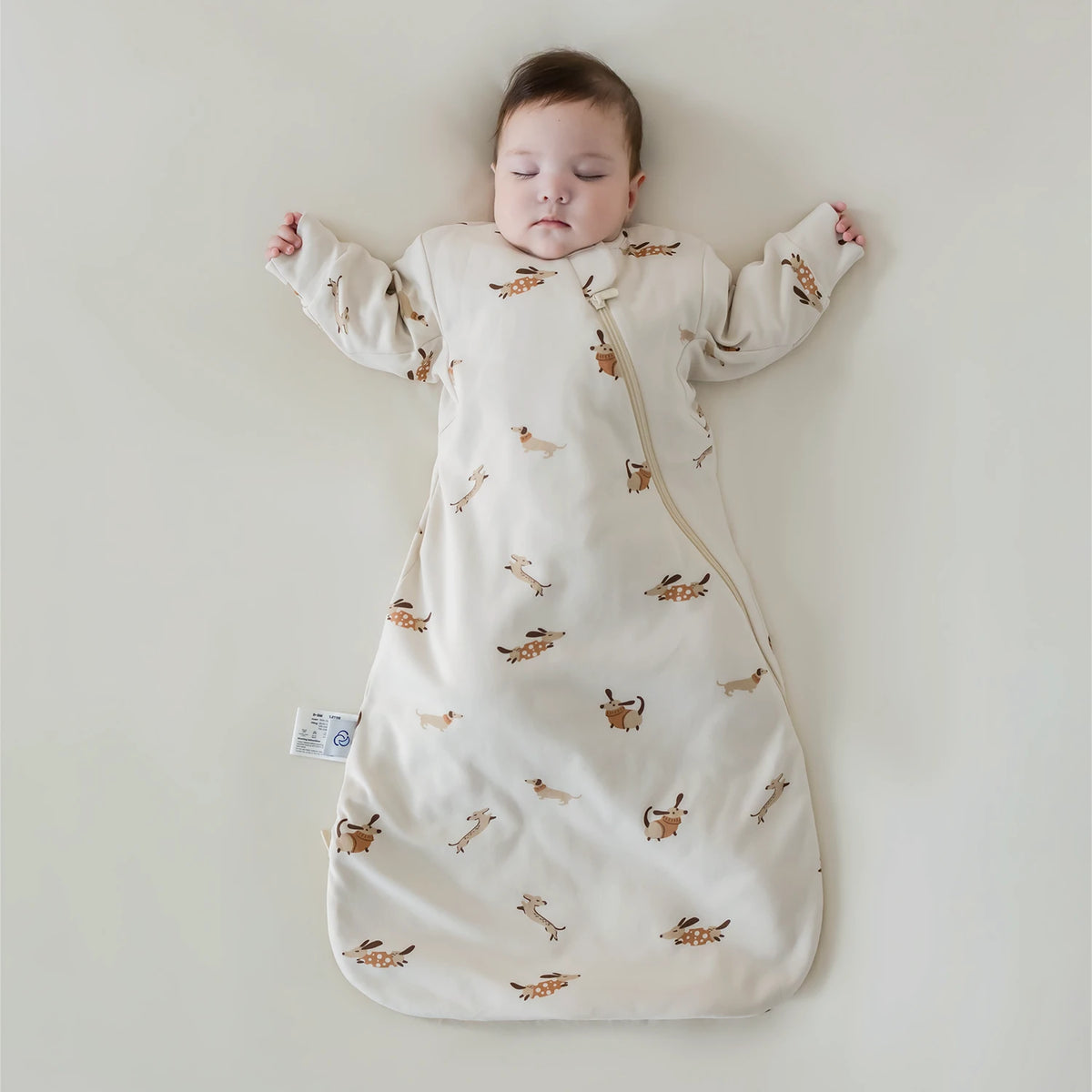
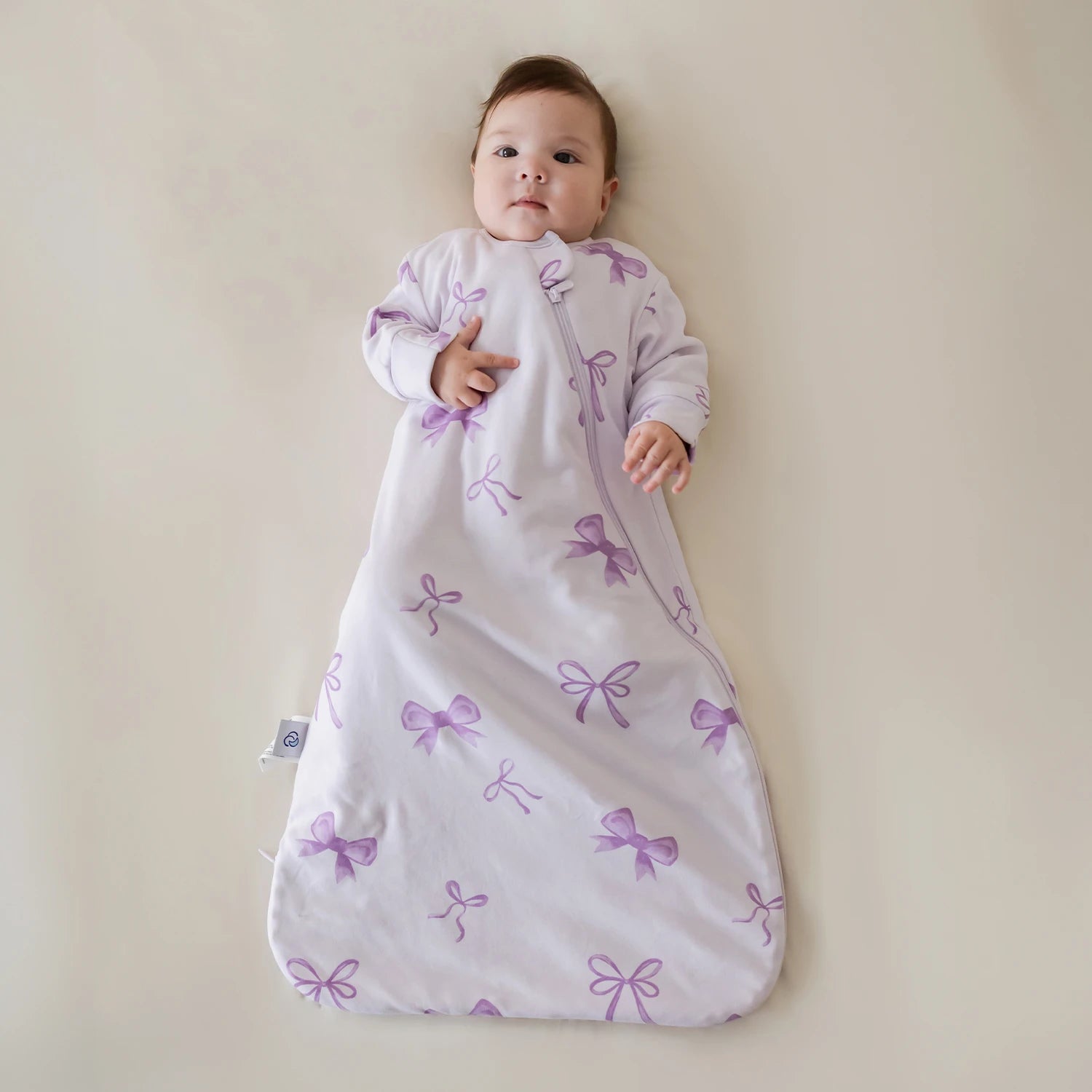

Read more
Why is the baby always grunting and crying at night?
The babies are too small to say words in any language. So how do they express their feelings? How do they communicate with people? Sometimes, mothers will find that their babies grunt in sleep or...
Read more
Washing and Drying Baby Clothes: How to Do It Right
Properly washing and drying baby clothes is crucial to ensure the comfort and well-being of your little one. Babies have delicate skin and are more sensitive to irritants, making it essential to fo...
Read more
Leave a comment
This site is protected by hCaptcha and the hCaptcha Privacy Policy and Terms of Service apply.