


When Can Babies Sleep on Their Stomach Safely?


When Can Babies Sleep on Their Tummies Safely?
It can feel unsettling to check on your baby and find them sleeping on their tummy, especially if you have been carefully following safe sleep guidance from the beginning. Many parents have the same question: if back sleeping is recommended, what should you do once your baby starts rolling over and choosing a different position on their own?
The simplest guidance is to continue placing your baby on their back for every nap and every night during the first year. If your baby can roll both ways on their own and chooses to settle on their tummy, it is generally considered safe to let them remain in the position they find most comfortable.
This distinction is important. There is a meaningful difference between placing a baby on their stomach to sleep and discovering that they have rolled onto their tummy on their own. Understanding this can help bedtime feel a little less overwhelming.
Is it okay for babies to sleep on their tummies?
For the first year, the safest way to put your baby down to sleep is on their back. This guidance applies to naps and nighttime sleep and has long been recommended to help lower the risk of sleep-related infant deaths.
Of course, babies do not stay still for long. As they grow, many begin rolling from back to tummy and tummy to back, often between 4 and 6 months, though every baby finds their own timing. Once your baby can roll both ways on their own, they may start to choose the sleep position that feels most natural to them.
This stage can be confusing for many parents. Even if your baby rolls onto their tummy during sleep, it is still important to place them on their back at the start of each sleep. Self-rolling simply means your role shifts a little, but the core guidance remains the same.
Is it safe to put my baby down to sleep on their stomach?
In most cases, it is not recommended to place babies on their stomachs to sleep during the first year. Back sleeping remains the safest starting position for healthy infants.
If your baby is not yet rolling on their own, it is best to avoid tummy sleeping. Babies who are unable to reposition themselves may have more difficulty moving their head or body if their breathing becomes obstructed.
This is why many parents feel nervous when tummy sleeping first appears. The safest approach is not to start stomach sleeping early, but to keep using back placement and watch for your baby’s own motor development.
When can babies sleep on their stomachs?
It can be helpful to think about this question in terms of your baby’s abilities, not just their age.
From birth to around 6 months
For young babies, continue to place them on their backs to sleep. At this stage, they are still building head control, learning to roll, and developing the strength to move themselves comfortably.
Once your baby starts rolling
Once your baby can roll from back to tummy and from tummy to back on their own, continue placing them on their back at the start of sleep. If they roll onto their tummy on their own, it is usually fine to let them stay there.
After the first birthday
After your baby’s first birthday, sleep position is generally less of a concern for most healthy toddlers. It is still important to keep their sleep space safe and clutter-free.
What if my baby rolls onto their stomach while sleeping?
This is a very common worry for parents, and it can help to separate anxious feelings from practical guidance.
If you place your baby on their back and they roll onto their tummy by themselves, you do not usually need to keep turning them back over, as long as they can roll both ways on their own. At this stage, rolling is a normal and healthy part of development.
What matters most is keeping the sleep environment safe. Your baby’s crib or bassinet should have a firm, flat mattress with a fitted sheet and should be free of loose blankets, pillows, stuffed animals, crib bumpers, or other soft items.
If your baby can only roll in one direction, or if you are unsure about their ability to move freely, it is always a good idea to check in with your pediatrician. Many parents feel more confident once they better understand their baby’s developmental stage.
Signs your baby may be ready to move more independently in sleep
Many parents look for a specific age, but readiness is often easier to see through physical milestones.
You may notice that your baby:
- has stronger head and neck control
- pushes up well during tummy time
- rolls from back to tummy without help
- rolls from tummy to back without help
- changes sleep position more independently
These signs do not mean you should begin placing your baby on their stomach to sleep. Instead, they help explain why your baby may start moving into that position by themselves.
What sleep setup matters most, regardless of position?
Even as babies become more mobile, the sleep environment remains just as important as sleep position. A safer sleep setup includes:
- placing your baby on their back at the start of every sleep
- using a firm, flat sleep surface
- keeping the crib or bassinet free of loose bedding and soft objects
- room-sharing without bed-sharing, especially in the earlier months
- dressing your baby appropriately for the room to help avoid overheating
This is often the stage where parents begin to feel a bit more confident. While you cannot control every movement once your baby becomes more active, you can create a safer environment around them.
When do parents stop swaddling the baby?
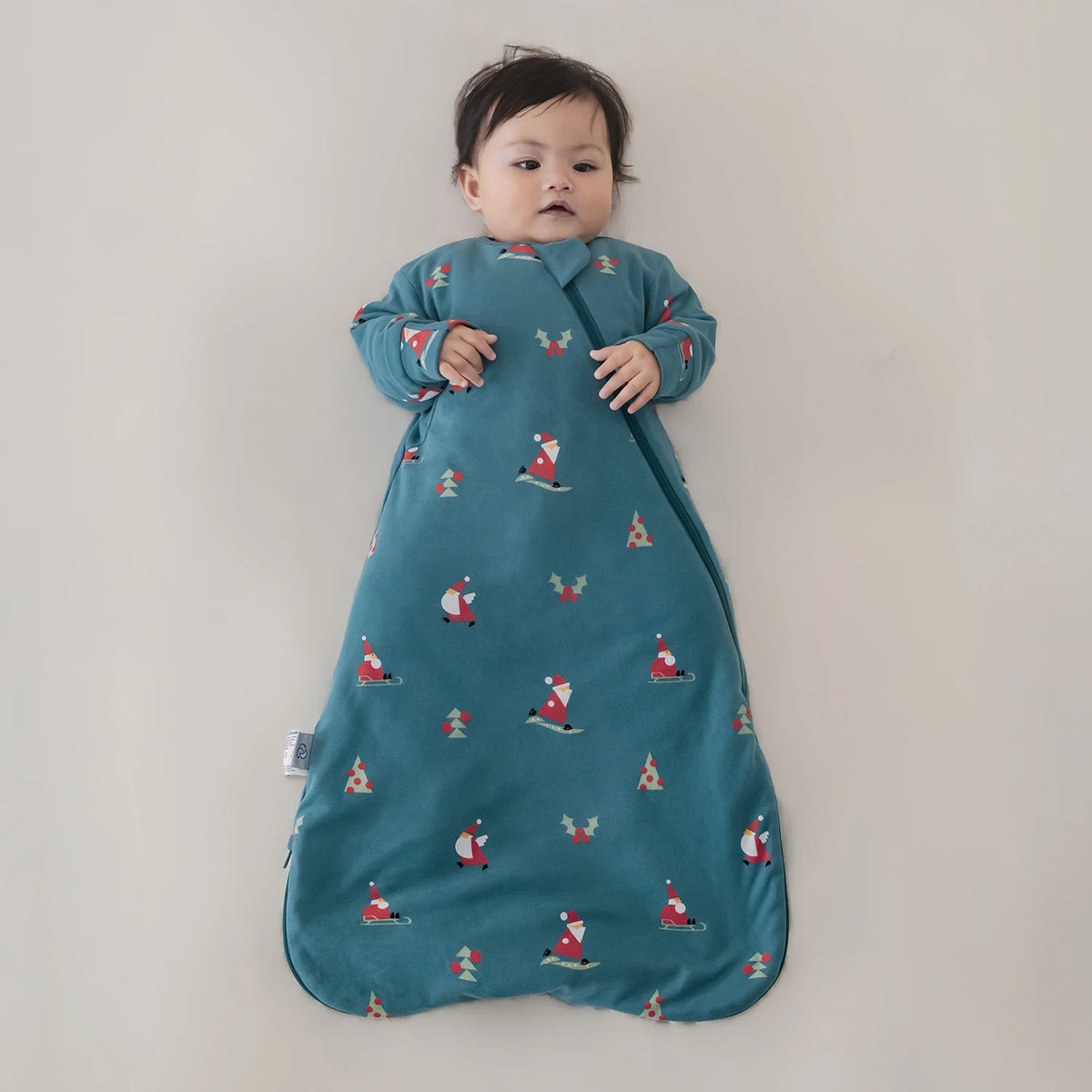
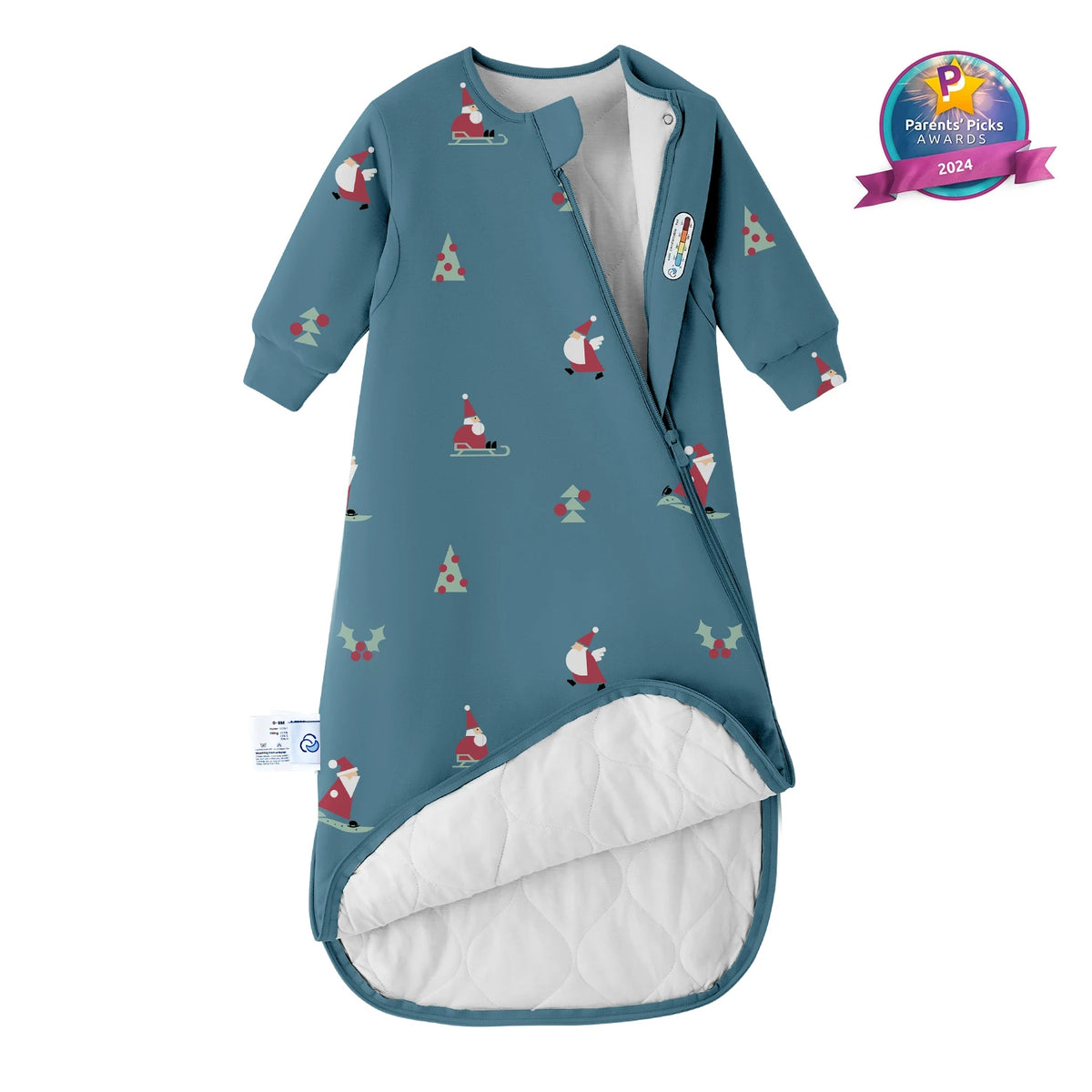
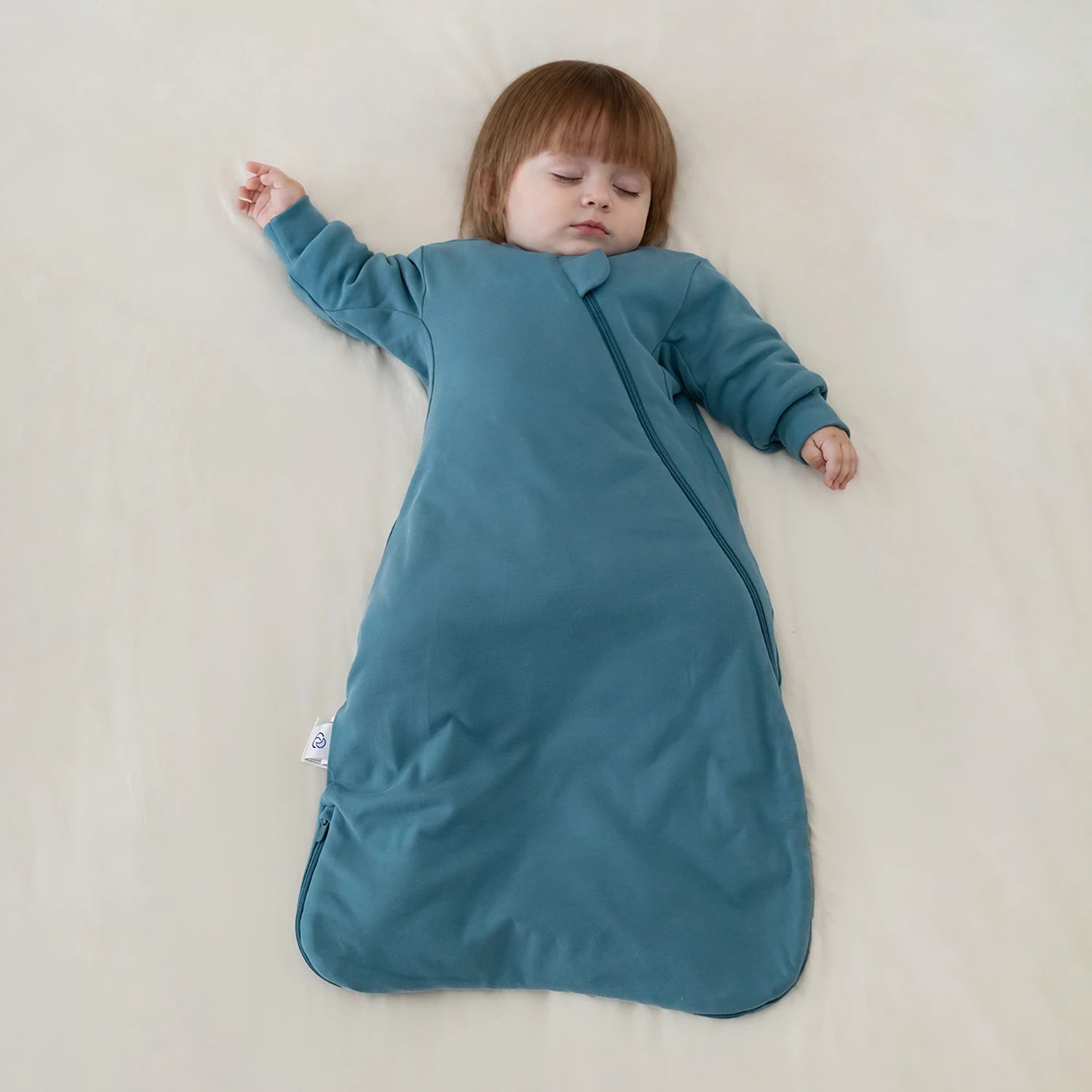
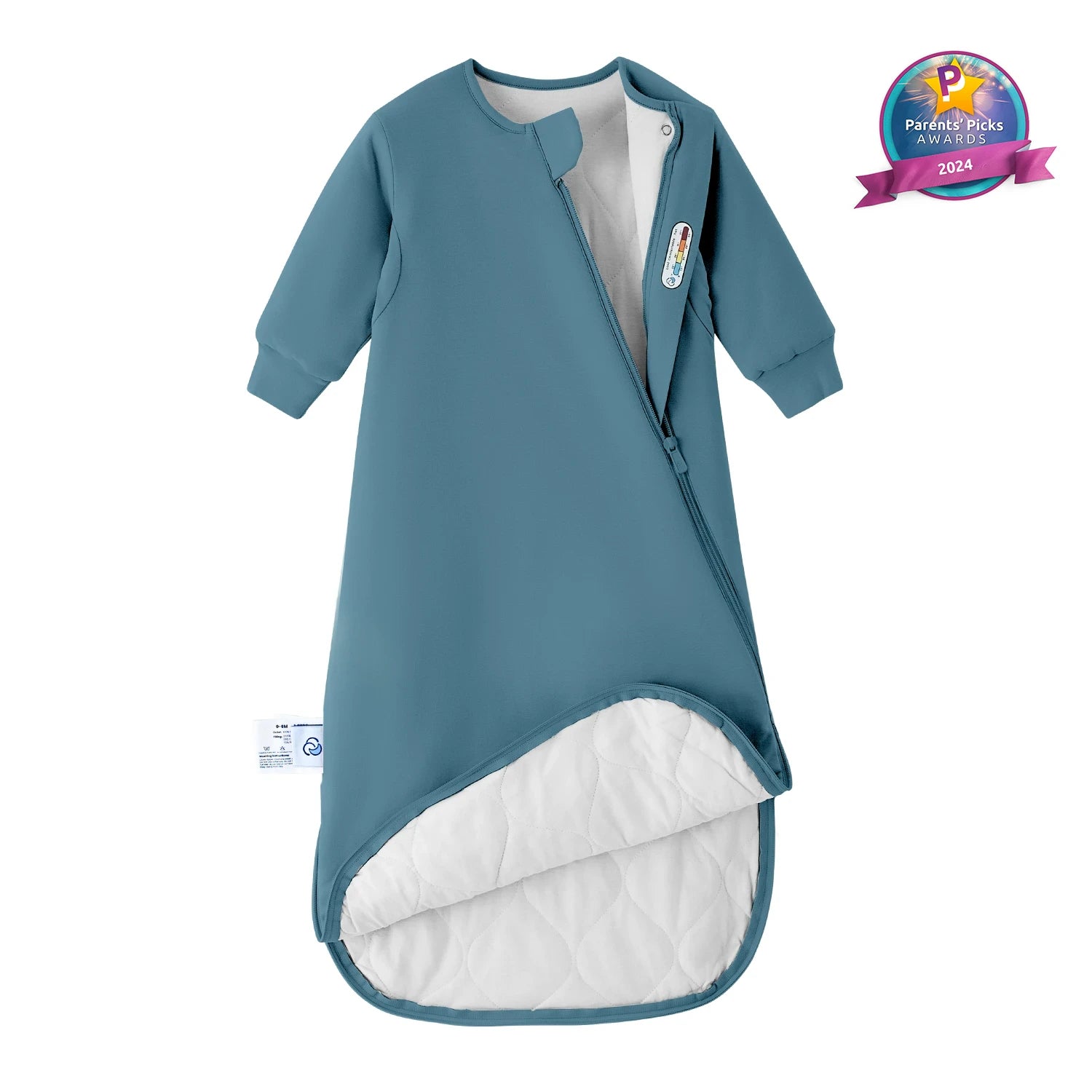
This is an important moment to notice. If your baby is starting to roll over, it is time to stop swaddling for sleep. A swaddled baby who rolls onto their tummy may not be able to use their arms to move into a safer position.
That transition period from swaddle to sleep sack can feel awkward for both baby and parent, especially if swaddling has helped everyone sleep better. But once rolling begins, it is worth shifting to a sleep setup that gives your baby more freedom to move safely.
Recommended baby sleeping position
For babies under 1 year old, back sleeping is still the recommended sleep position for every nap and every night. This recommendation may seem straightforward on paper, but it can feel more complicated in real life, especially as your baby becomes more active. Still, the core guidance remains the same:
- Place your baby on their back at the start of sleep.
- Use a clear, firm sleep space.
- Allow self-rolling once your baby can roll both ways independently.
- Check in with your pediatrician if anything about your baby’s sleep feels unclear.
Final thoughts
If your baby has started rolling onto their tummy during sleep, it is completely normal to feel a bit anxious at first. Many parents experience this stage with some second-guessing, especially after working so hard to follow safe sleep recommendations from the very beginning.
The most reassuring thing to remember is that your baby’s development changes the picture over time. While you should continue placing your baby on their back for sleep, once they can roll confidently on their own, finding them on their tummy is usually a normal part of growth, not a sign that something is wrong.
If you ever feel uncertain, especially during transitions like rolling or moving out of swaddling, your pediatrician can help you understand the best sleep position for your baby’s stage. Sometimes, a bit of reassurance is just as important as the guideline itself.
Best Sellers




Read more
Discovering the Optimal Sleeping Position for Your Colic Baby
Infant colic, also known as newborn colic or infantile colic, presents one of the most challenging and vexing issues in newborn care. While not all newborns experience colic, for those who do, it c...
Read more
How to Prevent Newborn from Rolling to the Side While Sleeping?
For healthy babies, the safest sleep position is on the back. Do not use wedges, positioners, or products to keep a newborn on their side. If your baby rolls, place them on their back at the start ...
Read more
Leave a comment
This site is protected by hCaptcha and the hCaptcha Privacy Policy and Terms of Service apply.