


A bassinet is a sleep space for your little one in the early months. Based on a statement in a Babylist interview with pediatrician Dr. Rebekah Diamond, families commonly move their baby out of their bassinet to a crib around 3-6 months for the baby's sleep safety and all-around development.
However, this is not a safe sleep guideline suited for every baby since every baby is different in physical growth.
Actually, once the baby comes up to a weight, size, or movement limit listed in the specific bassinet's instructions, it's time to stop using a bassinet and transition the little sleeper to a new sleep space, even if they are younger than 3 months.
How to check if your baby has outgrown their bassinet?
It's not tough to tell whether your baby can still sleep in the bassinet space; all you need to do is figure out the detailed limitations of your bassinet instructions and then observe all signs of your baby's growth that indicate they are ready for the transition.
Once the baby attains the weight limit, size range, or age limit given by the bassinet's instructions or shows any signs of rolling over and pushing up on hands and knees, it's time to keep your baby in a new sleep environment for nap or nighttime sleep.
Here, let's figure out the limitation given by the bassinet instructions first:
Start with the limits for your baby’s bassinet
Bassinet limits vary among brands. So please do not use one instruction limit from a specific manufacturer as the universal guide to make sure your baby can safely sleep through the night.
For instance, Chicco’s Alfa Lite Nest upper bassinet stops baby weight at over 15 lb, while its LullaGo Anywhere stops at 20 lb. Here are the actual conditions from three manuals with links to the relevant pages.
No matter which your baby comes up first, it's time to transition your baby from a bassinet for healthy sleep and growth.
| Bassinet | Weight stopping condition | Movement stopping condition | Official instructions |
| Chicco Alfa Lite Nest, upper bassinet | Baby weighs over 15 lb. | Baby begins pushing up on hands and knees. | PDF page 2 |
| Chicco LullaGo Anywhere | Baby reaches 20 lb. | Baby begins pushing up on hands and knees. | PDF page 2 |
| UPPAbaby Bassinet V3 | Baby reaches 20 lb. | Baby begins pushing up on hands and knees. | PDF pages 12–13 |
Happy to let you know that the links open the manuals in a new tab and the page numbers refer to the PDF viewer. Please match the model name on your product label, including “Anywhere” or “V3,” before using these figures.
The Alfa Lite Nest’s lower playard has different limits: stop when a newborn can climb out, reaches 35 in, or weighs more than 30 lb. Those limits do not apply to its upper bassinet.
To change modes, remove the bassinet and its mattress, then secure the separate playard pad as shown on manual pages 8–10. Lowering the upper mattress or stacking another mattress is not the conversion.
For prolonged sleep in the UPPAbaby V3, keep the canopy raised and locked open. Its UPPAbaby Bassinet Stand is one of the supports named in the Americas manual; a generic stand is not an approved substitute.
If your model is not listed, please find its manual in the Chicco, UPPAbaby, or HALO directory. Use the edition for your model and country, then look for the weight, size, and movement conditions in its warnings.
Your baby’s weight, size, and age
Before checking the stopping conditions of the bassinet-to-crib transition, it's worth mentioning that you don't have to wait for the little peanut to meet weight, size, and age requirements to create a new sleep space for your baby.
To safely use a bassinet, you, parents, or caregivers need to always keep an eye on any tiny growth of the little one so that you can place them to sleep in the crib or other suitable area for the first time.
Weight
Compare your baby’s current weight with the stopping condition of the specific bassinet. A baby who reaches 20 lb has finished using the LullaGo Anywhere, even if they cannot push up yet.
Reaching that weight is enough; there is no need to wait for a second sign or time to move baby from a bassinet.
Size
The Graco DreamMore Bedside Bassinet is outgrown when a baby’s head and feet touch the two mesh ends at the same time, and a foot brushing one side is not that condition.
Different bassinets have varying rules for baby size; please follow your own model’s size limit to determine whether to introduce your little one to sleep or nap in the crib or not.
Age
A baby’s 4 or 6 months is not a universal limit. And you need to follow the explicit age cutoff of the bassinet model your baby uses.
Some families keep the bassinet usage period for the first six months, while others hold that the baby is no longer suitable for the bassinet as the baby can push up on hands and knees already younger than 6 months.
You can explore this rule from Graco’s DreamMore guidance if you're using it, which puts “approximately 5 months” beside the baby is over-20-lb condition. However, that estimate does not mean your baby can exceed the weight, size, or strength development under 5 months.
Watch for pushing up, rolling, and sitting up.
When your baby starts pushing up on their hands and knees, it means that your baby outgrows the bassinets, even if there is still room for the baby's leg or arm to attach to the sides of the bassinets.
Specifically, the HALO BassiNest 4.0 Signature FAQ lists signs of rolling, pushing up, and sitting up, alongside a 20 lb limit. The moment that baby shows the first of these movement signs, they need to move even below that weight.
The 4.0 manual uses narrower hands-and-knees descriptions. If that leaves you unsure about a baby trying to roll, use a suitable crib or playard while HALO clarifies the instructions for your model.
If you are still worried about the point to move baby to a crib, you can rely on it, since parents in Reddit discussions give different answers on how long a baby can sleep in the bassinet in physical milestone standards. Some of them insist on a baby rolling over, while others hold that a baby is capable of pushing up on hands and knees.
Besides that, another family’s moving age is useful context for your reference, but it is not the universal rule or sign that your baby ought to begin the crib transition.
All you can hold is that you are not the only parent who worries about the time for transition from bassinet to crib, and the final transition is up to your own little sleeper's physical development and age.
Another tip when the baby starts rolling over
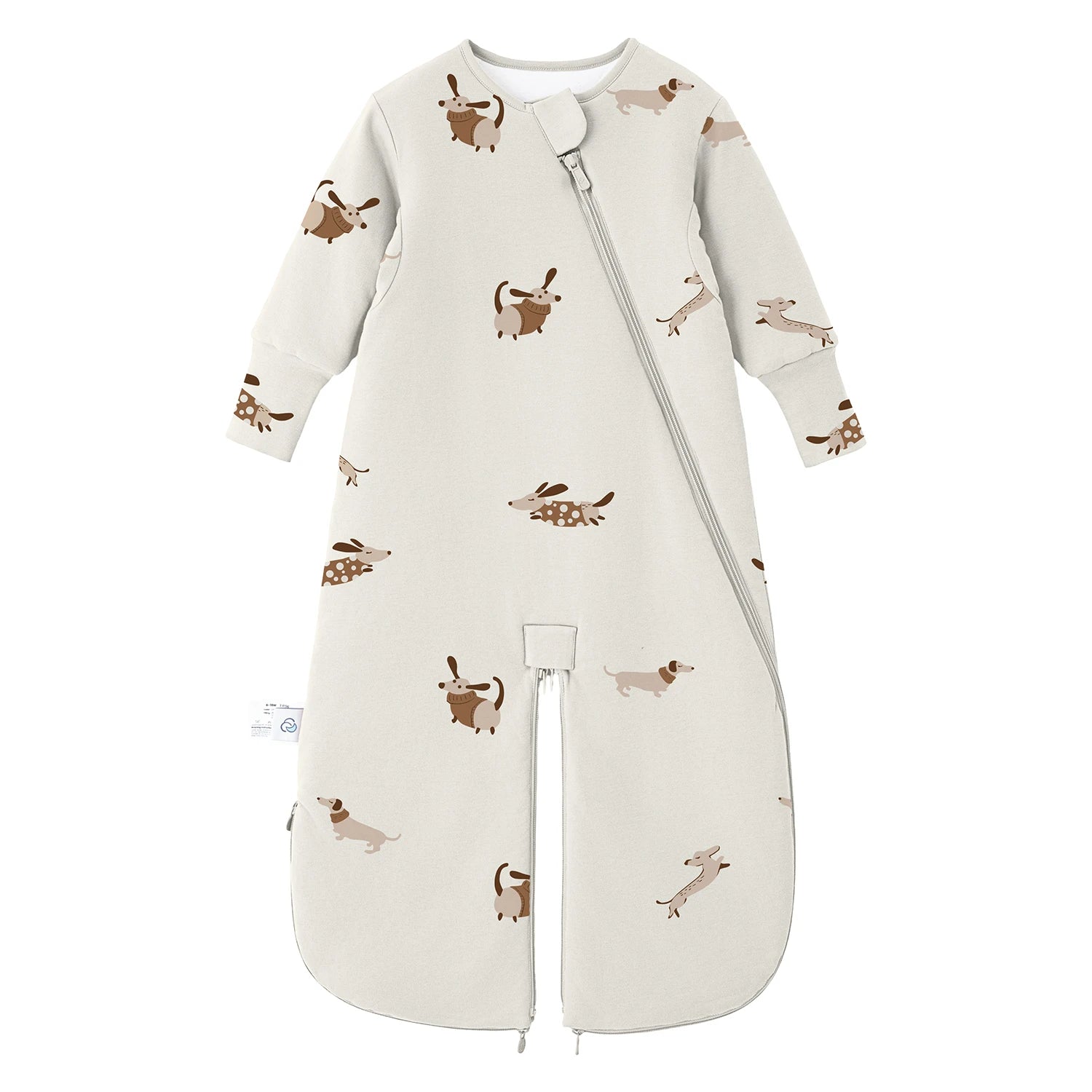
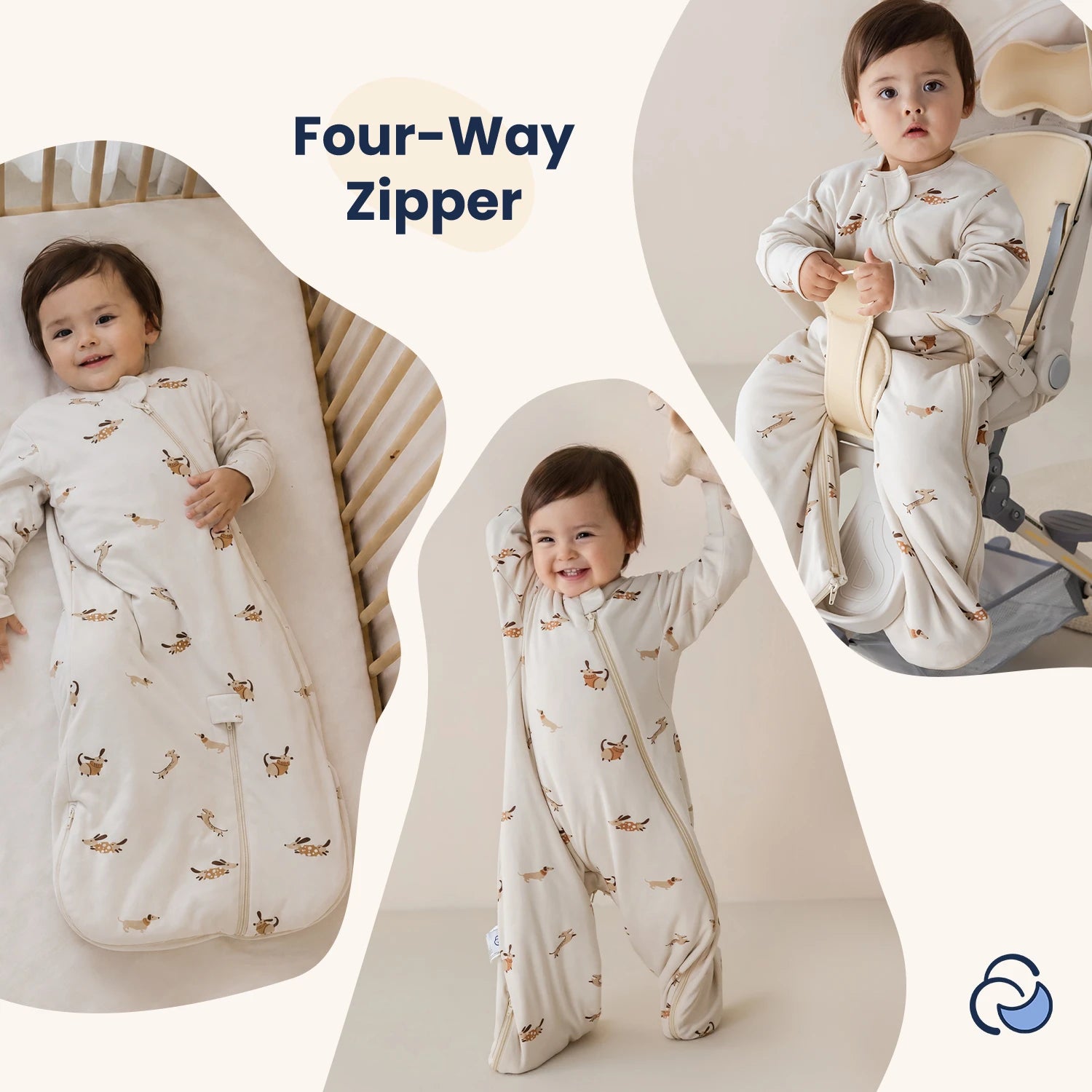
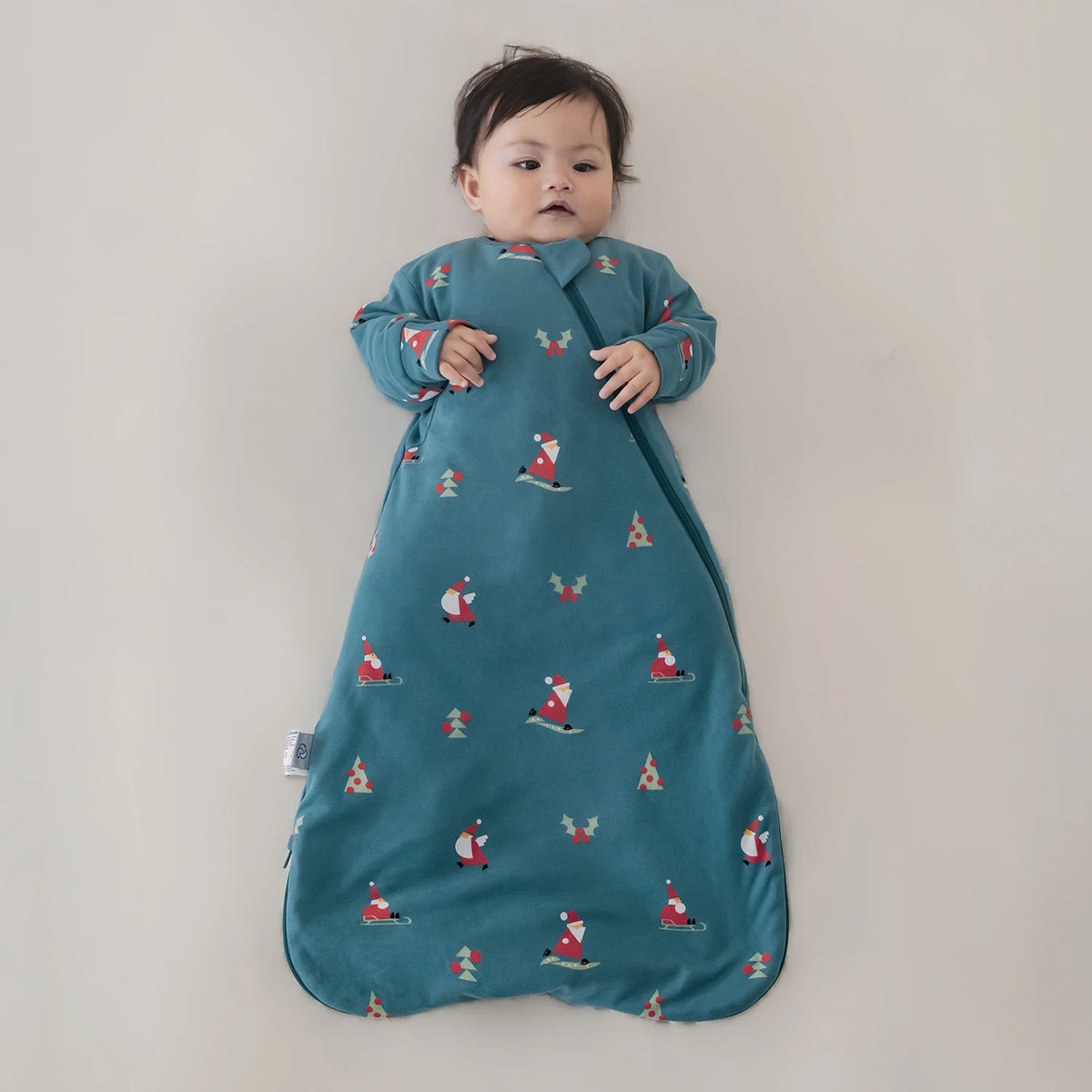
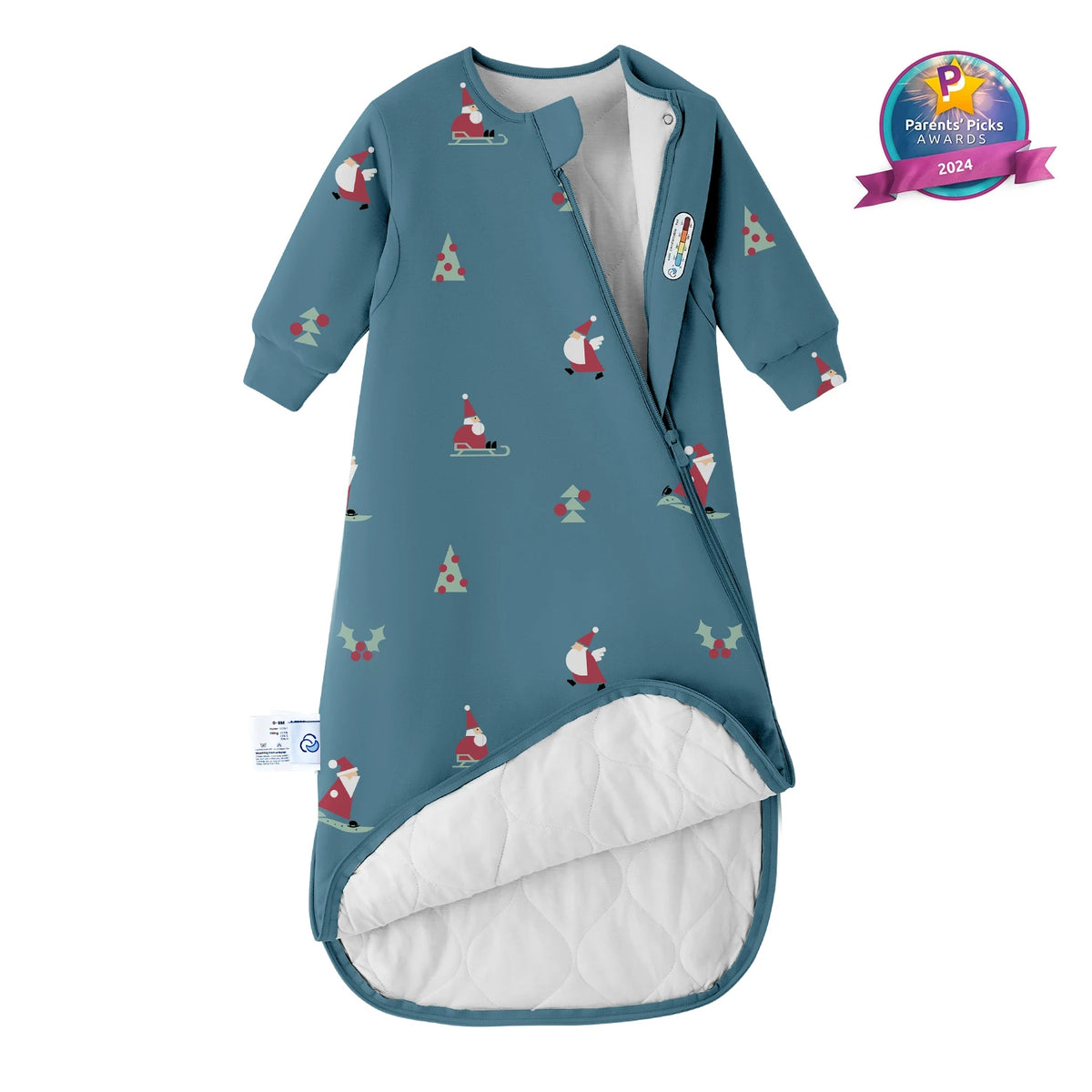
Trying to roll also changes your little one’s sleepwear. A swaddle or sleep sack might work out for the newborn baby, but the American Academy of Pediatrics (AAP) says to stop swaddling at the first signs of trying to roll. For a bassinet that lists these signs too, the same milestone means changing both bed and sleepwear.
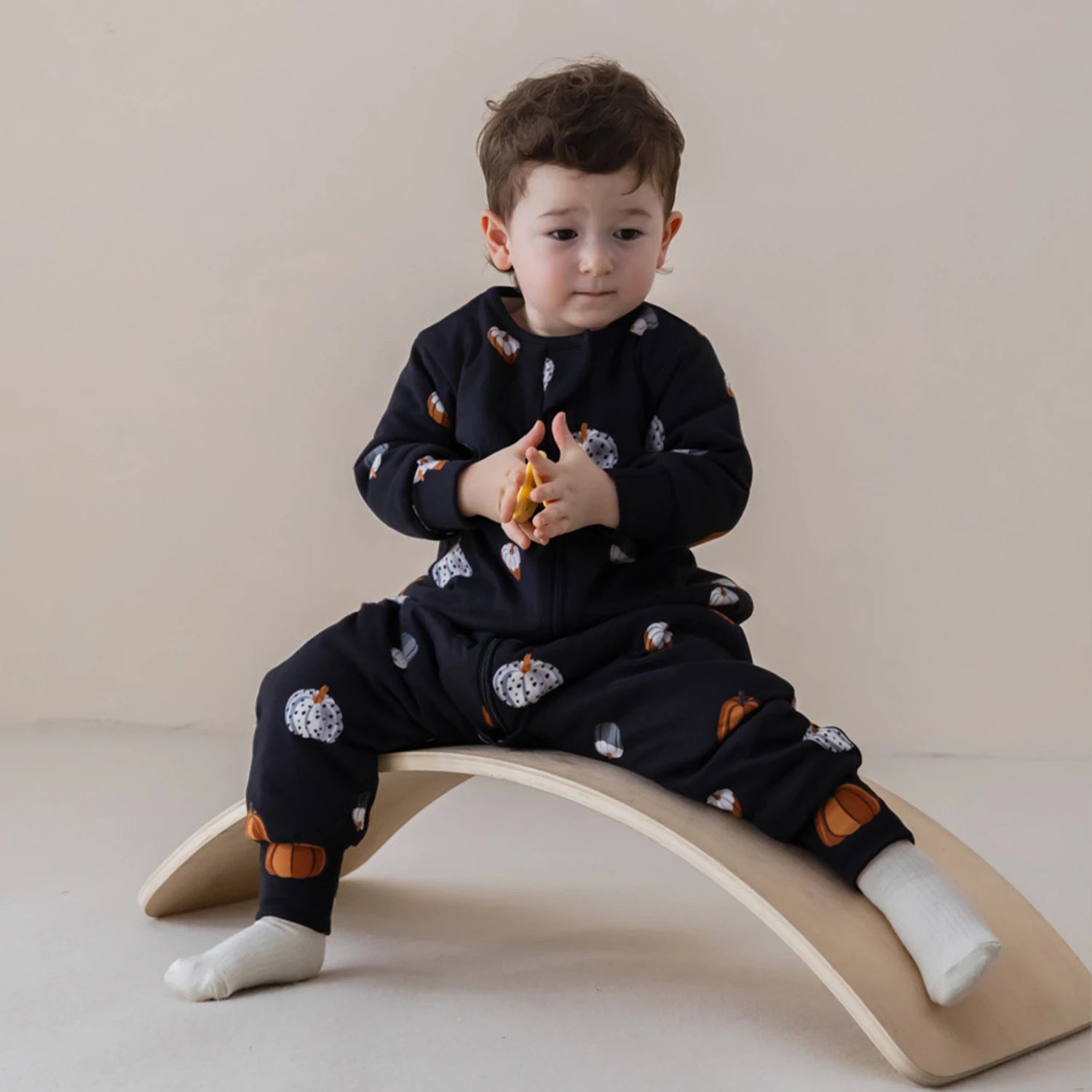
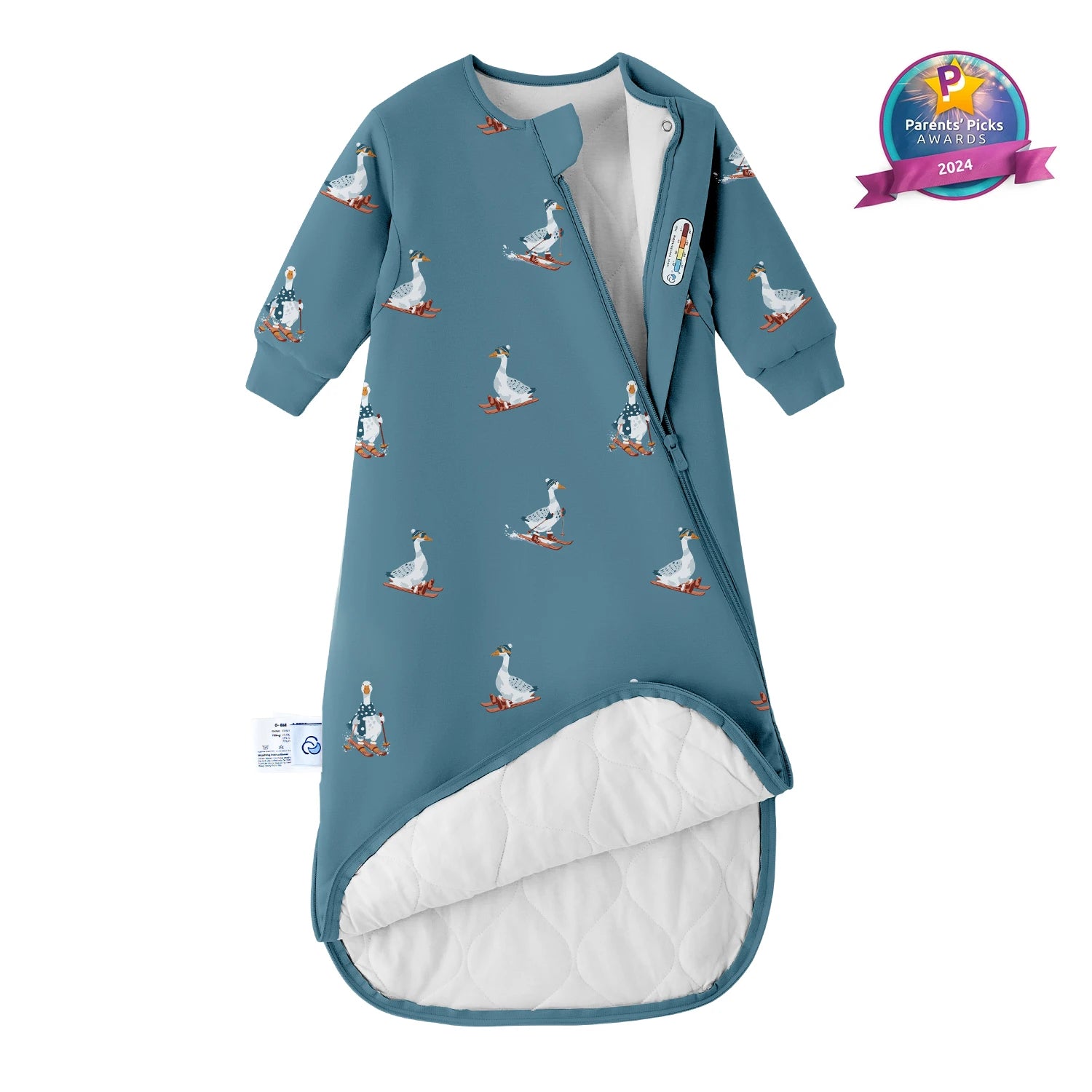
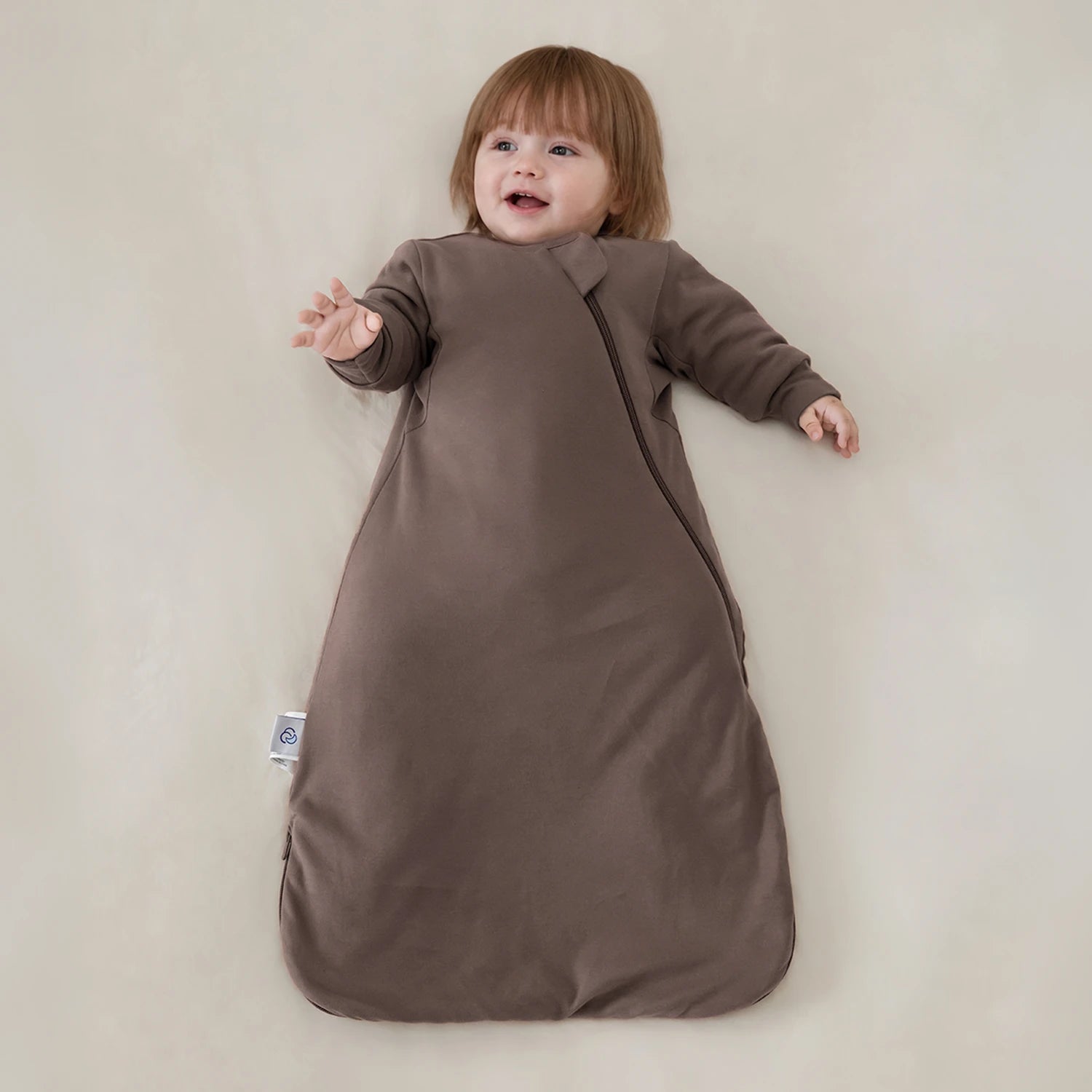
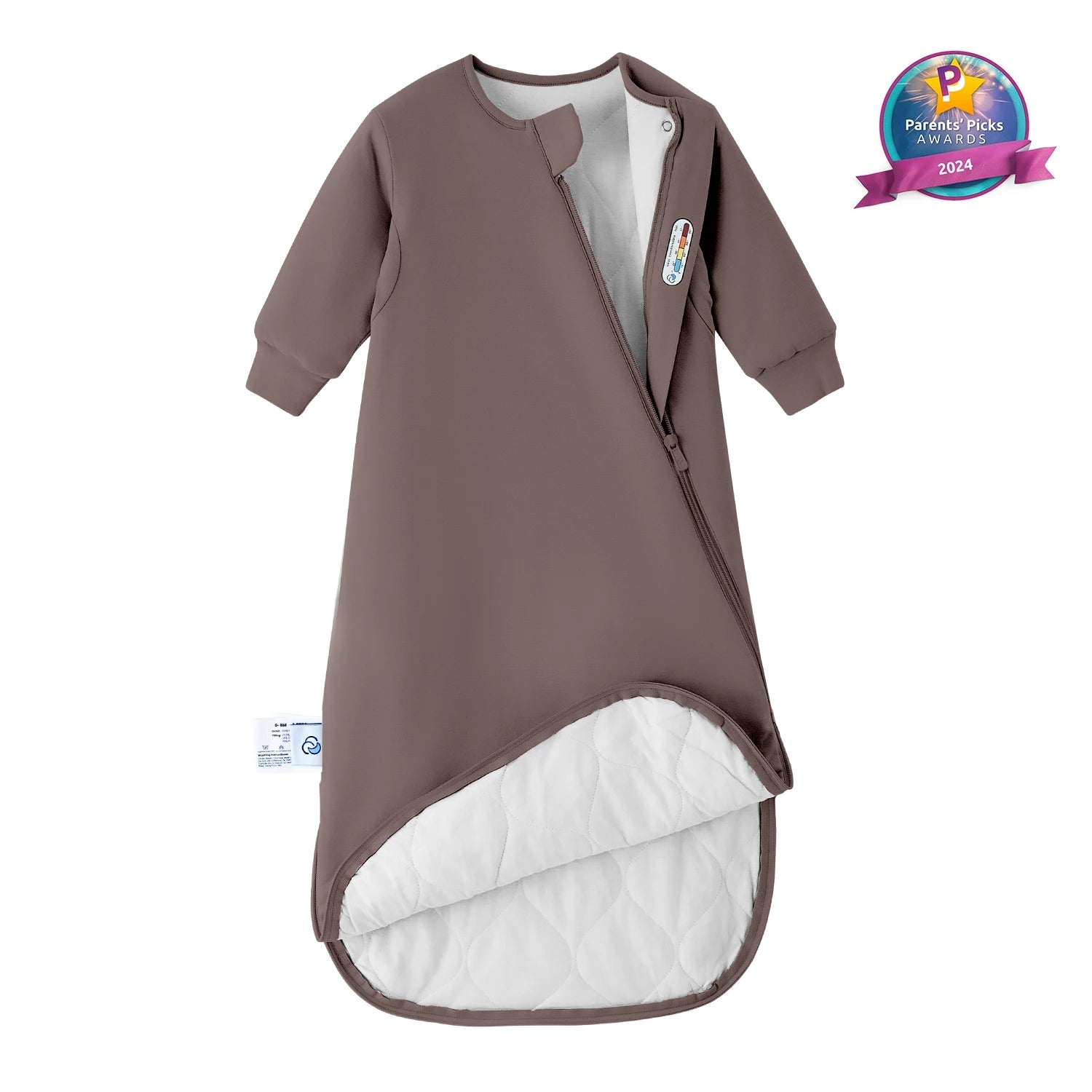
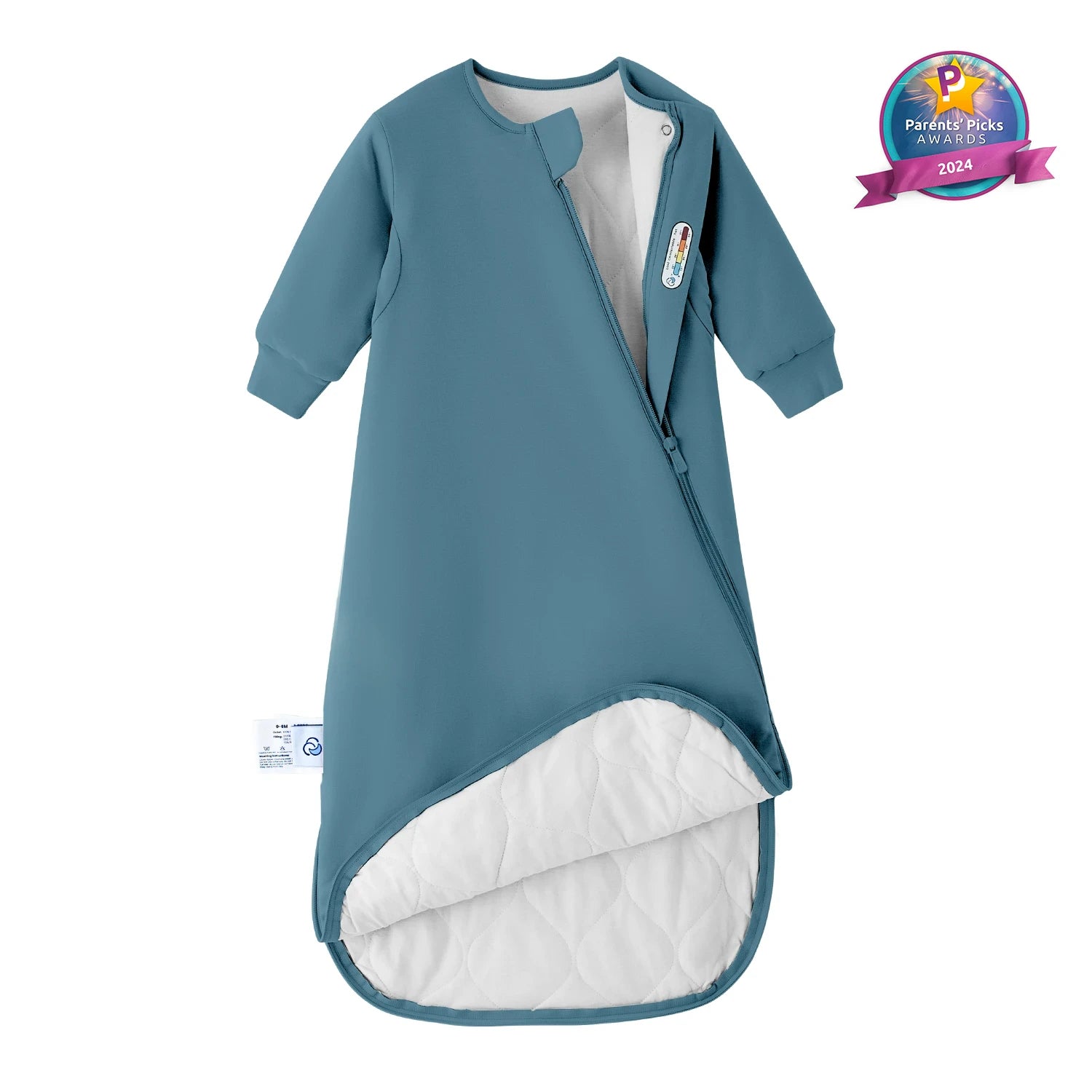
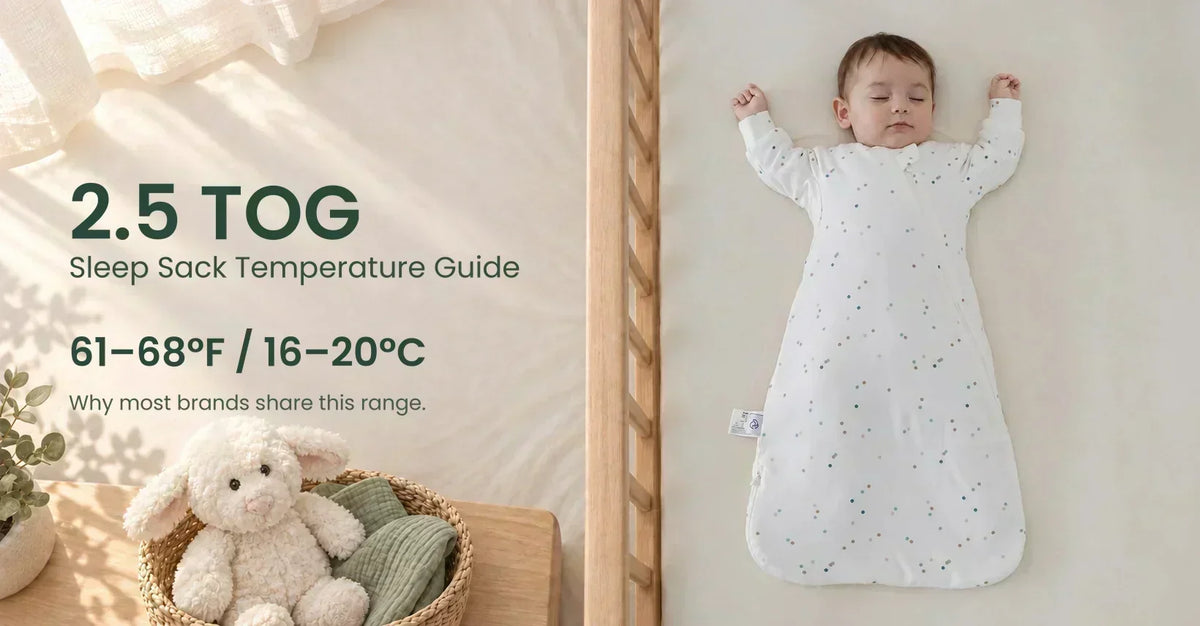
Your baby will move from a swaddle to an arms-free sleep sack during this period too. Choose a correctly sized, non-weighted sleep sack that leaves their arms in or out based on the room temperature. Changing sleepwear does not give the baby extra time in an outgrown bassinet.
Please mention that any signs that your baby shows are enough for the baby gear transition, rather than meeting all the conditions.
Where should your baby sleep after the bassinet?
Once your baby is ready to move from the bassinet, you can put your baby in a full-size crib, mini crib, or sleep-suitable playard. The U.S. Consumer Product Safety Commission (CPSC) advises using infant sleep products that meet federal requirements.
- Full-size crib: If you already have one and it fits in your room, set it up for the next sleep. Use a firm crib mattress that fits snugly and meets the crib’s mattress specifications; do not transfer the smaller bassinet mattress into it.
- Mini crib: Consider this when a full-size crib will not fit beside your bed. Compare the actual assembled dimensions with your available floor space. Use the mattress specified for that mini crib; “mini” is not a promise that any small mattress will fit.
- Playard: Its lower sleeping area may work while a crib delivery is delayed. Remove the upper attachment as directed, lock the frame, and secure the supplied pad. Your baby must fit the lower mode’s limits. Do not add another mattress for softness.
If you are unsure whether your baby can stay in the bassinet, use one of these alternatives once it is correctly assembled and suitable for their size and development. An adult bed, sofa or padded lounger is not a temporary substitute for the baby to sleep.
Keep the new bed in your room for at least your baby’s first 6 months, following the AAP’s room-sharing recommendation. Our guide to moving your baby to their own room covers the later room change.
The next bed still needs the AAP’s sleep setup: baby needs to sleep on their back on a firm, flat surface, a fitted sheet, and no pillows, loose blankets, bumpers, or toys. Check the product for recalls before use.
How to transition a baby from a bassinet to a crib or playard?
Make the new bed part of the bedtime routine your baby already knows. The AAP recommends repeating the same activities in the same order at naptime and bedtime. Here is how to put that into practice during the move:
-
Set up the new sleeping surface. For a crib, the AAP says to lower the mattress before your baby can sit and use the lowest position before they learn to stand. Follow an earlier change required by your crib; see our crib mattress height guide.
For a playard, install and secure its pad in the lower sleep mode as directed. Crib mattress-height adjustments do not apply to that setup.
- Keep familiar bedtime steps. Change your baby’s diaper, put on their sleepwear, then read the usual book or sing the usual song to help your baby settle down. Place baby on their back in the new bed. Keep blankets and toys off the mattress.
- Respond if your baby cries. Speak softly; comfort or pick them up if needed. Continue needed feeds, then return them to the new bed on their back. You can comfort your baby through this change without starting a sleep-training program.
If your baby keeps waking when you put them down, see our guide to helping a baby settle in a crib. Continue using the crib or suitable playard while you work on settling, even on a difficult night.
What are the risks of using the bassinet exceeding the limit?
Once a baby can push up on their hands and knees or roll, the bassinet's shallow walls, designed for a newborn who cannot move, no longer contain them safely.
A baby who pushes up against the side can tip the bassinet or fall over the edge. Rolling in a confined space increases the risk of the face pressing against the padded walls.
Weight limits exist for structural reasons: the frame, base, and mattress support are rated for a specific load. Exceeding the weight limit can stress the joints or base in ways that are not visible until they fail.
The bassinet's safety record is built on use within its stated conditions. Past those conditions, it has not been tested.
Can your newborn sleep in a crib from the start?
A bassinet is not required. Newborns can sleep safely in a full-size crib from birth, as long as the setup meets safe sleep guidelines: a firm, snug-fitting mattress, one fitted sheet, and nothing else in the sleep space. Baby sleeps on their back.
Families choose bassinets mostly for practical reasons: a smaller footprint, easier to keep beside the bed, and more convenient for nighttime feeds in the early weeks. That is a preference, not a safety requirement. If you already have a crib that meets current standards, you can use it from day one.
How long can room-sharing be after the bassinet transition?
The AAP recommends room-sharing with the baby in their own separate sleep surface for at least the first 6 months, and ideally up to 12 months. Moving out of the bassinet does not mean moving out of your room. Set up the crib, mini crib, or playard in your bedroom and continue room-sharing for the recommended period.
If your baby has trouble settling into the crib after the transition, this guide covers the common reasons and practical steps to help them adjust.








Leave a comment
This site is protected by hCaptcha and the hCaptcha Privacy Policy and Terms of Service apply.