


Why are Baby Pajamas Snug-Fitting?

Article: Why are Baby Pajamas Snug-Fitting?

It always drives parents nuts when you finish the baby's bath, wrap the little one in a soft towel, put them in pajamas, and set up for sleep; the process gets stuck because the pajamas are too tight to dress the baby.
You try to grab the baby's arms and put them into their sleepwear, but they are too wet and slippery. And your baby, freshly lotioned and entirely uninterested in getting dressed, makes the sleep setup much tougher.
Then you might grab your phone and search "whyyyyy are all baby pajamas soooo tight???" Well, this snug-fitting design of baby or toddler pajamas comes from the strict federal rules of the CPSC for the baby's safety against open flame.
Why are kid pajamas so snug-fitting?
To meet the federal standards of the CPSC (Consumer Product Safety Commission), baby clothing has 2 options to satisfy the flame resistance:
- Tight-fitting (snug) construction — the garment must fit snugly enough to the baby's body that it is less likely to catch or hold a flame.
- Flame-resistant fabric — the garment is treated or woven to meet ignition and burn-rate requirements.
In other words, to make the baby pajamas fire-resistant, the baby sleepwear needs to be designed with a close-fitting size so that there is little air between the fabric and the skin for a flame to take hold. As a result, the fire will go out soon, causing less or no harm to the baby's delicate skin.
Or, the brand will make the pajamas flame-resistant through complicated chemical treatments. Below are the common flame retardants used in these chemical processes:
- Phosphorus-based: organophosphates and phosphonates, which are the most widely used today, are applied directly to cotton fibers.
- Nitrogen-based: often used alongside phosphorus compounds.
- Older/phased-out: PBDEs (polybrominated diphenyl ethers) — heavily restricted or banned in most U.S. states due to links to hormone disruption and developmental issues
- Still in use but debated: TCEP, TDCPP — chlorinated phosphate esters, classified as possible carcinogens by some agencies, yet still appear in some products.
Though the flame-resistant pajama is flowy and easy to put on, it may contain chemical substances that some parents prefer to avoid, and it even contains carcinogens sometimes, unless the sleepwear is made up of naturally flame-resistant material. So, compared to the choice of loose jammies, snug-fit pajamas are a more recommended and preferable option.
Snug-fit vs. too small pajamas: how to tell?
Excluding the pajamas that are treated with flame retardant for fire safety, there is one choice left: the PJs fit snugly into a baby's body. However, "snug fit" does not mean tight-fitting pajamas that make your little peanut uncomfortable.
Here, let'sfocus on how to tell snug-fit pajamas from tight ones that meet fire-resistance safety standards while still leaving enough room for your baby to grow.
How to tell if the pajamas are snug-fit?
Step 1: Read the label on the kid's pajamas
Typically, the brand or manufacturer states how the baby clothes meet the fire-resistance rules on a care tag or something like that.
If the tag reads "For child's safety, the pajamas should fit snugly. It is not flame resistant.", it means that the sleepwear is designed with a proper fit for safety regulations, instead of any chemical methods.
Step 2: Appropriate room for the baby
You can check that the key areas of the pajamas lie flat against the arms, chest, waist, or ankles without loose material. If the pajamas sit loosely around the baby, obviously, they are too large for the little one and fail to knock down the flame.
How to tell if the pajamas are too small?
Step 1: Check the red marks or indentations on the baby's skin
Once you take the kid's pajamas off the baby, you can check whether there are red marks or indentations left on them, which often appear on the wrists, ankles, and waist.
The marks on the child's skin indicate that the child's pajamas are too tight; at this point, you need to size up the child's sleepwear immediately.
Step 2: See if the baby's movements are restricted
Watch your baby's movements, like kicking, reaching, and bending their knees, when wearing pyjamas. At each action or stretch, the sleepwear should go with them.
If it pulls tight when they stretch out, or the top rides up every time they lift their arms and exposes their belly, the PJ leaves the baby no room to grow.
Step 3: Look at the overstretched fabric
Look at the children's clothing fabric across the belly, thighs, and shoulders. If it looks really stretched out, if the side seams are coming out of place, or if you can see the fabric through it because it's so stretched, it's too tight.
The material is telling you it doesn't have enough room; you need to try a roomier size.
Step 4: You struggle to close the snaps or zipper
If you have to pull the fabric together just to get the snaps to meet, or the zipper doesn't run smoothly across the belly and crotch, the pajama tops and pajama pants are too small.
For regular clothes, there should be no tension in the closure when fastened.
Step 5: You can't get the cuffs past the baby's hands or feet
If you have to force the sleeve opening over your baby’s wrist, or wrestle the footie opening past their heel, that's an obvious sign of PJs being too tight or too small. A snug-fit cuff will resist a little, but it shouldn't be hard to get through.
For these differences and signs discussed above, you can be sure to tell the snug-fitting PJs from the tight or small ones from now on. Go size up the sets when any of the signs appear on your baby's body for a stretchable fit.
Why does infant sleepwear feel less snug-fitting than the toddlers'?
Many parents have found that infant PJs are usually more loose-fitting than those made for 12-month-olds or older babies. This is not random. The CPSC has a different set of safety rules for clothes for babies aged 9 months and below:
Note that this exception only applies to the infant cloth if it meets all of the following conditions:
- The size is shown in months (e.g., "0–3 months" or "6 months").
- For a one-piece, the total length is no more than 64.8 centimetres (25.75 inches).
- For a two-piece set, neither piece is more than 40 centimetres (15.75 inches).
- It still meets the basic flammability standard for general clothing (16 CFR 1610).
If you miss any of these mentioned above, the garment has to meet the full sleepwear requirements. This means it must either be flame-resistant or be made to fit closely.
The infant PJ might feel roomier, but that doesn't mean it's less safe. It just means different methods for meeting the fire resistance standards. When your baby grows out of the infant size range, that exception no longer applies. This is why the fit feels noticeably different when you size up.
When should you size up?
You should size up the little one's pajamas when they no longer fit properly, and the signs of poor fit are already explored in the previous section.
One thing to remember: if the sizing is labelled as 'loose-fitting', that doesn't mean it will be baggy. The idea is to find the next size where the pyjamas still fit close to the body but are loose enough to move around in. It fits snugly but not tightly.
If you've already tried on the new size and it still doesn't fit right, maybe it's just a problem with the way the clothes are made. Some bamboo or merino blends also have more stretch in all directions, which is useful if your baby's proportions are not a standard size.
And if you're still not sure, just trust your instincts, as that's enough reassurance for most parents.
Flame-resistant material without chemical reagents
Not all sleepwear relies on using chemical treatments to meet safety requirements against fire. Here are 2 materials that can reduce the risk of catching fire due to the way they are made:
Polyester
Polyester is naturally flame-resistant because of the way it reacts to heat. It melts and moves away from the fire. This is why polyester fleece pyjamas can be loose-fitting and still meet CPSC flammability standards without any chemical treatment.
Merino wool
Merino wool is naturally difficult to ignite. Its protein-based fibre structure makes it burn slowly and evenly, and it can stop burning as soon as the flame is gone. It meets the flammability standards for sleepwear without needing any chemicals.
Material that cannot handle fire risk
Bamboo rayon is often sold as a natural material, but it doesn't naturally resist catching fire. When bamboo is processed into rayon, it loses its natural properties.
Most bamboo-blend pyjamas are designed to be appropriately fit, not flame-resistant. This is because bamboo rayon sleepwear needs a chemical treatment to meet the required standards.
Baby pajamas made from natural fire-resistant material
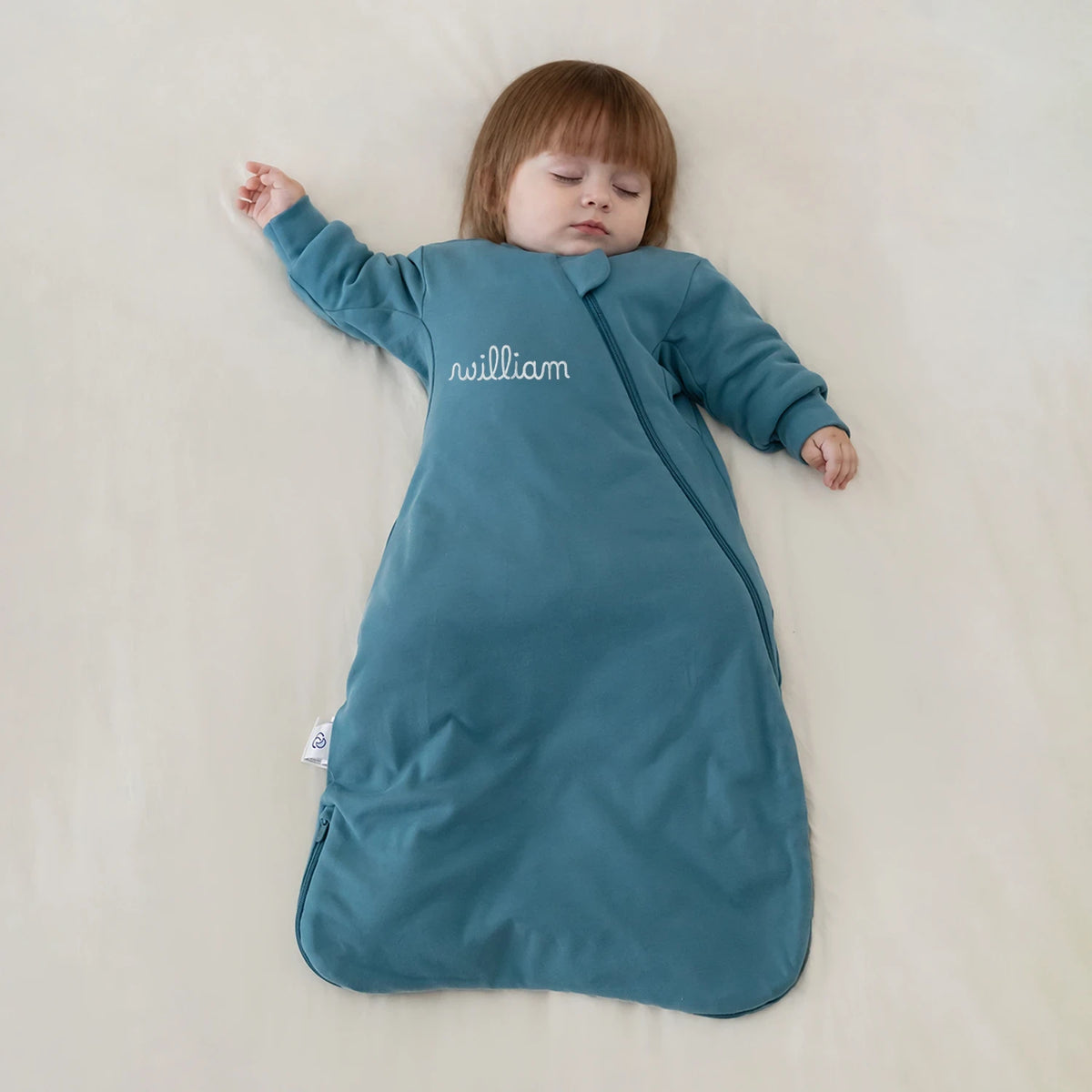
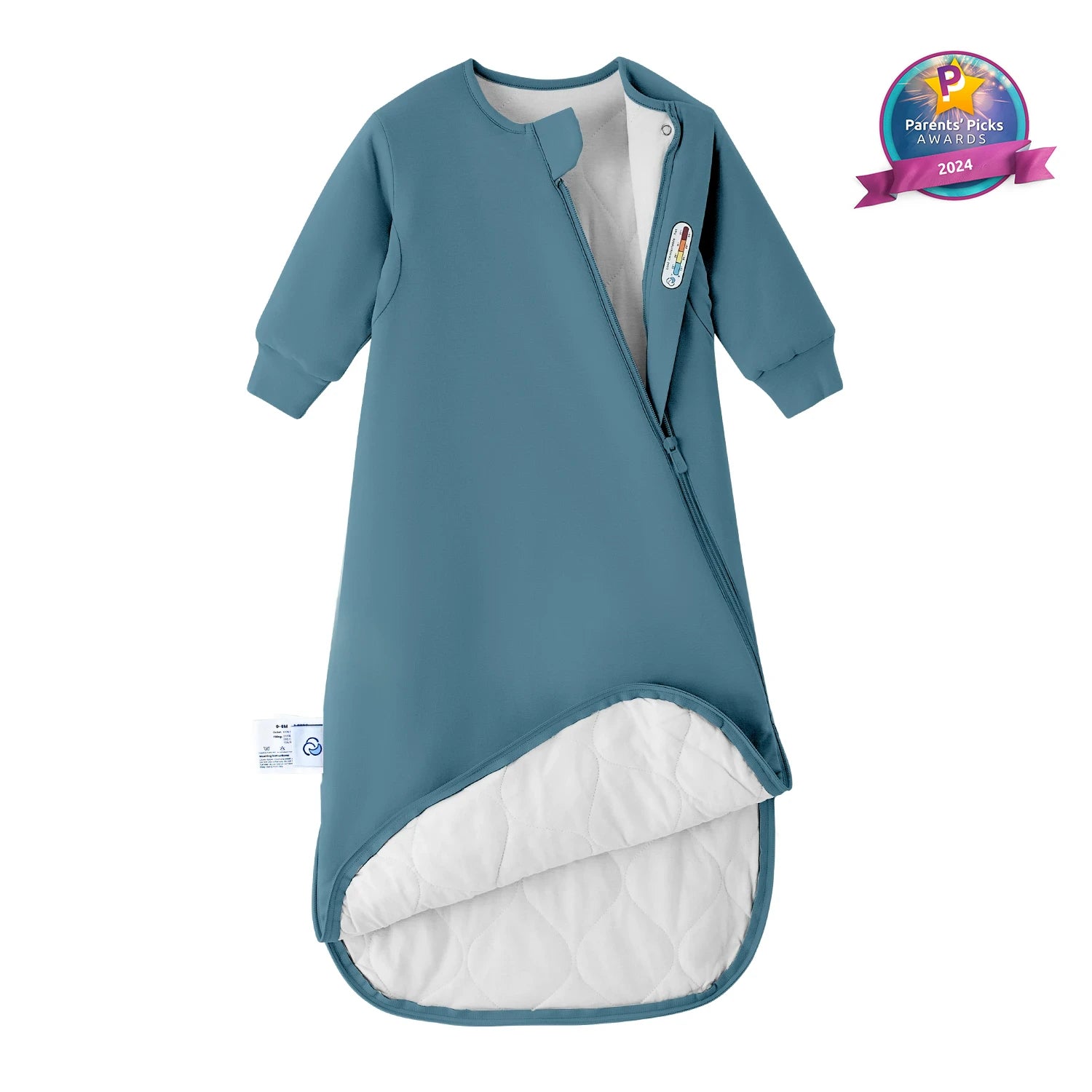
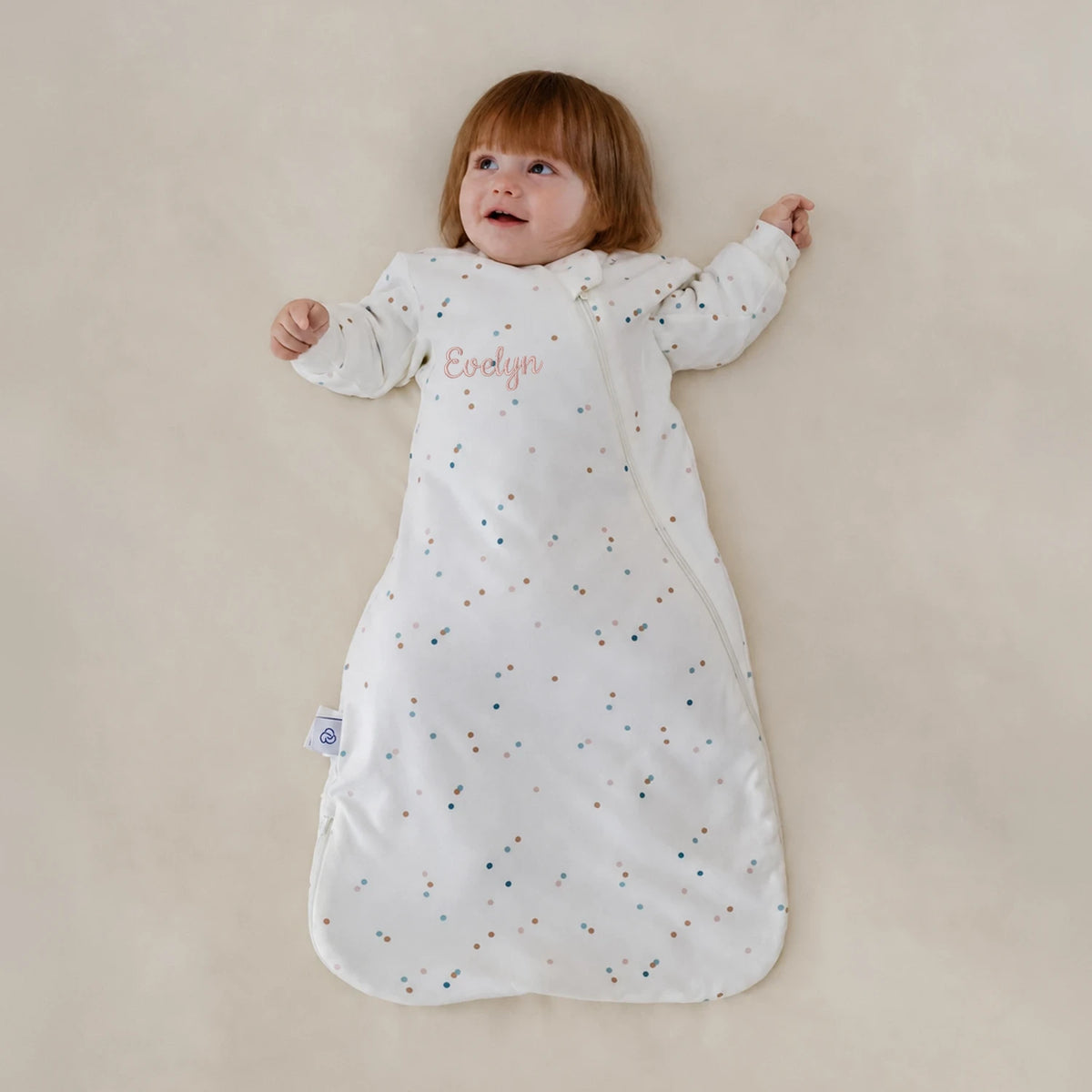
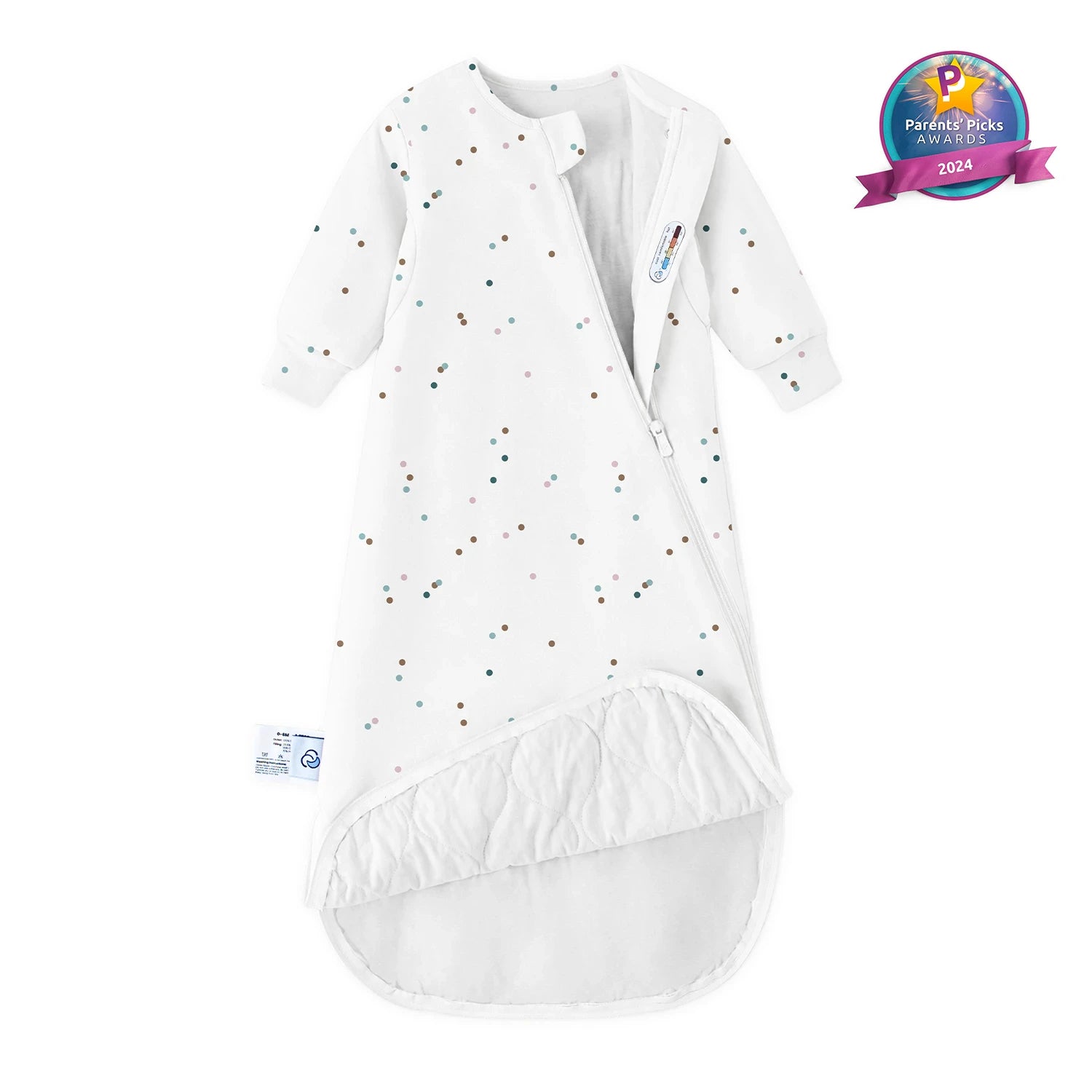
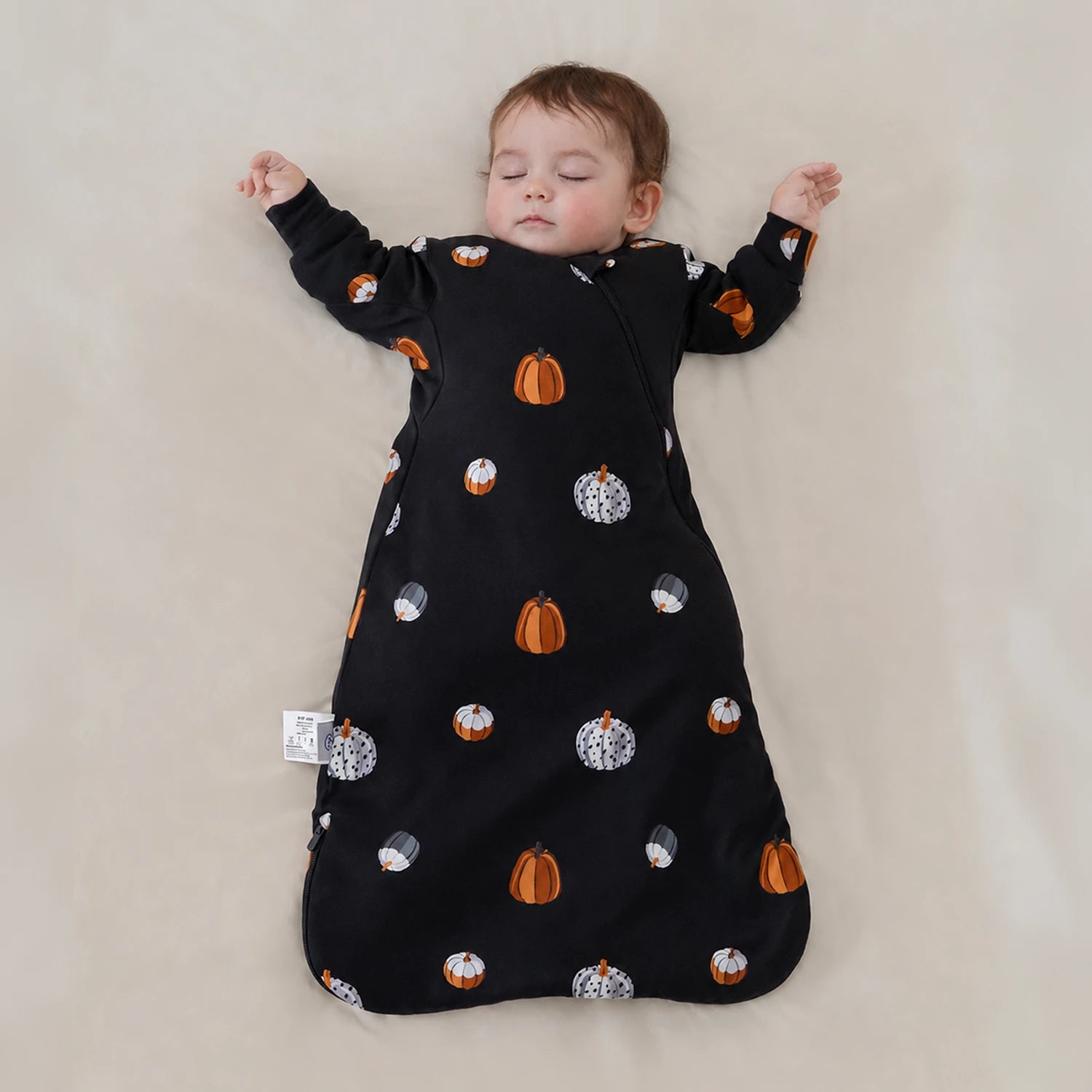
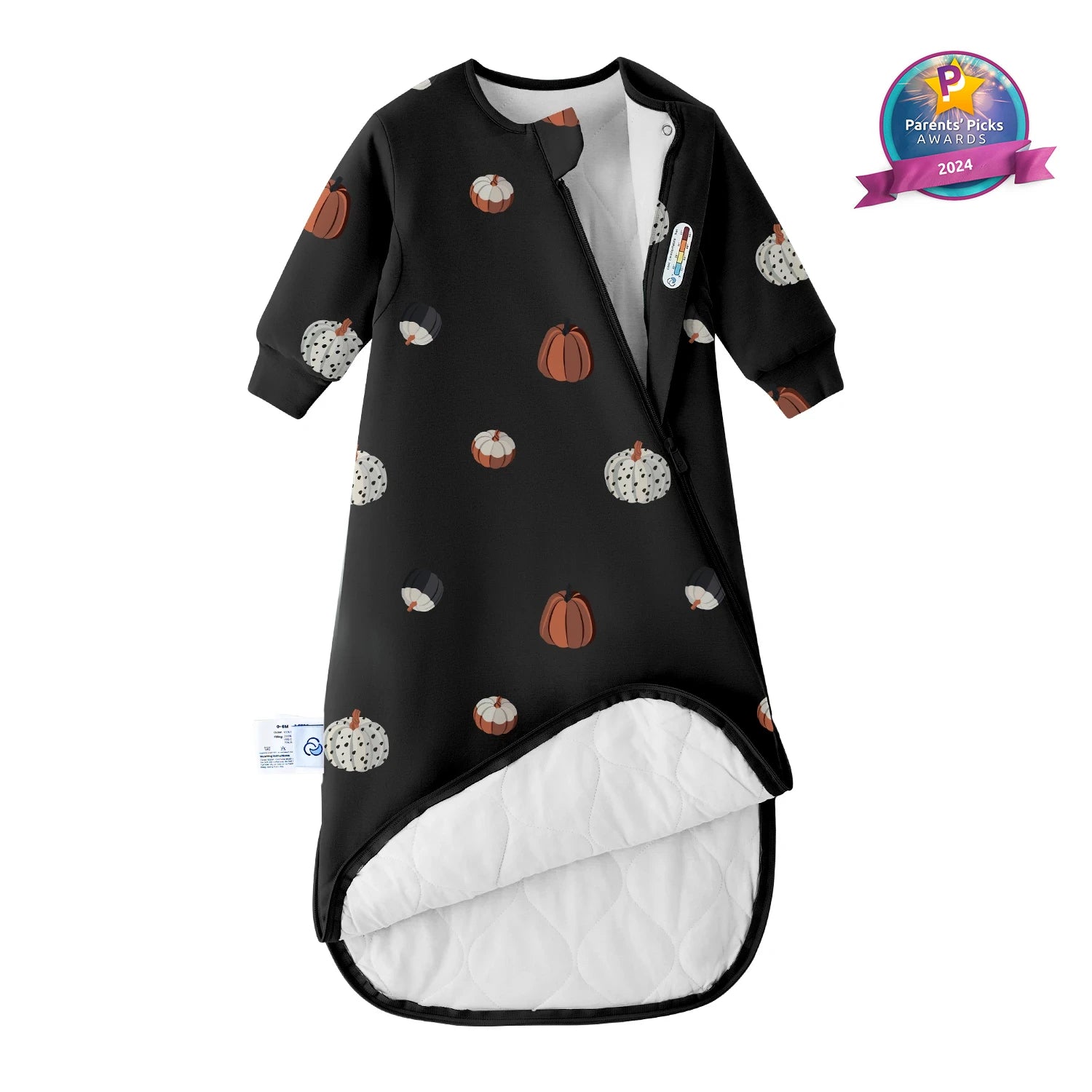
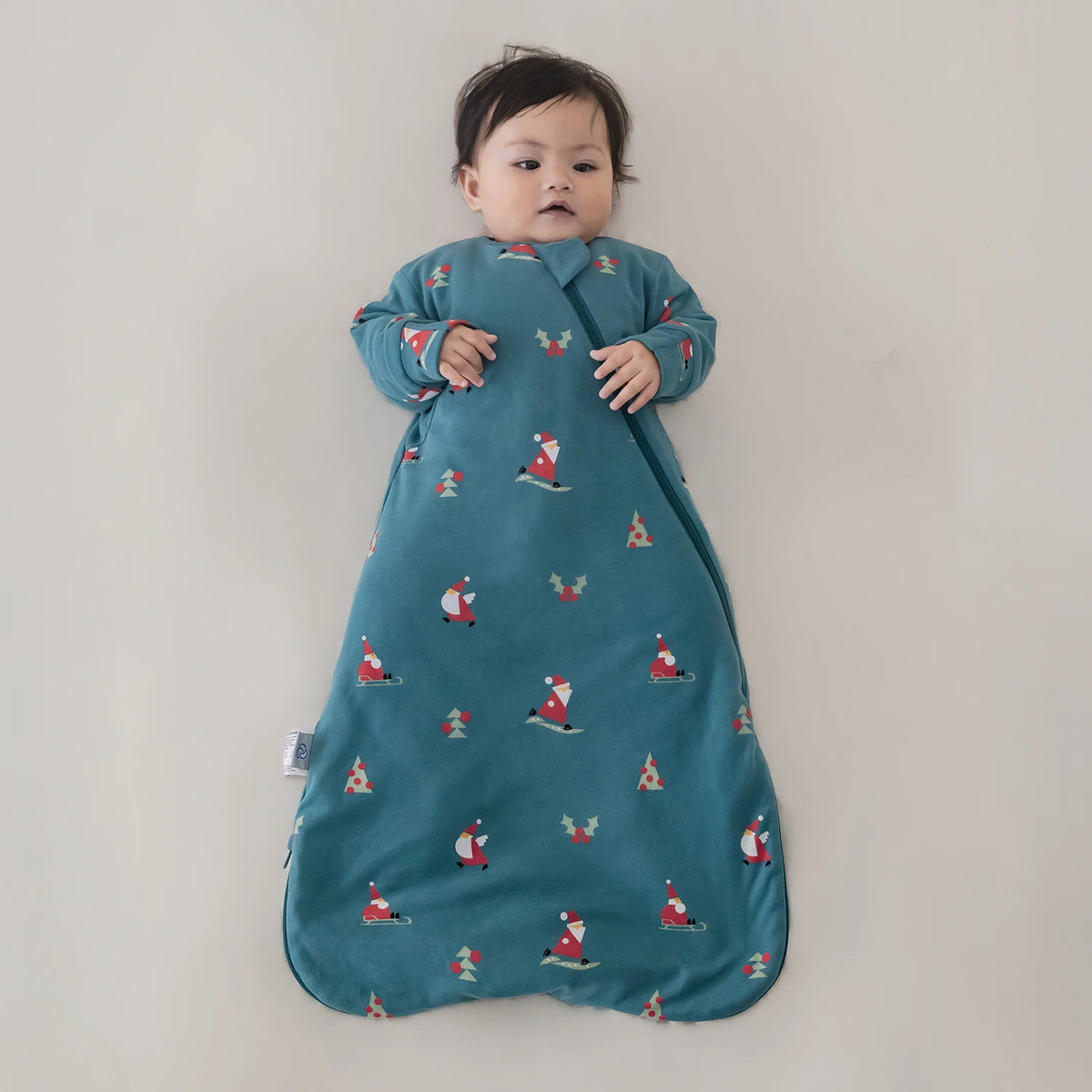
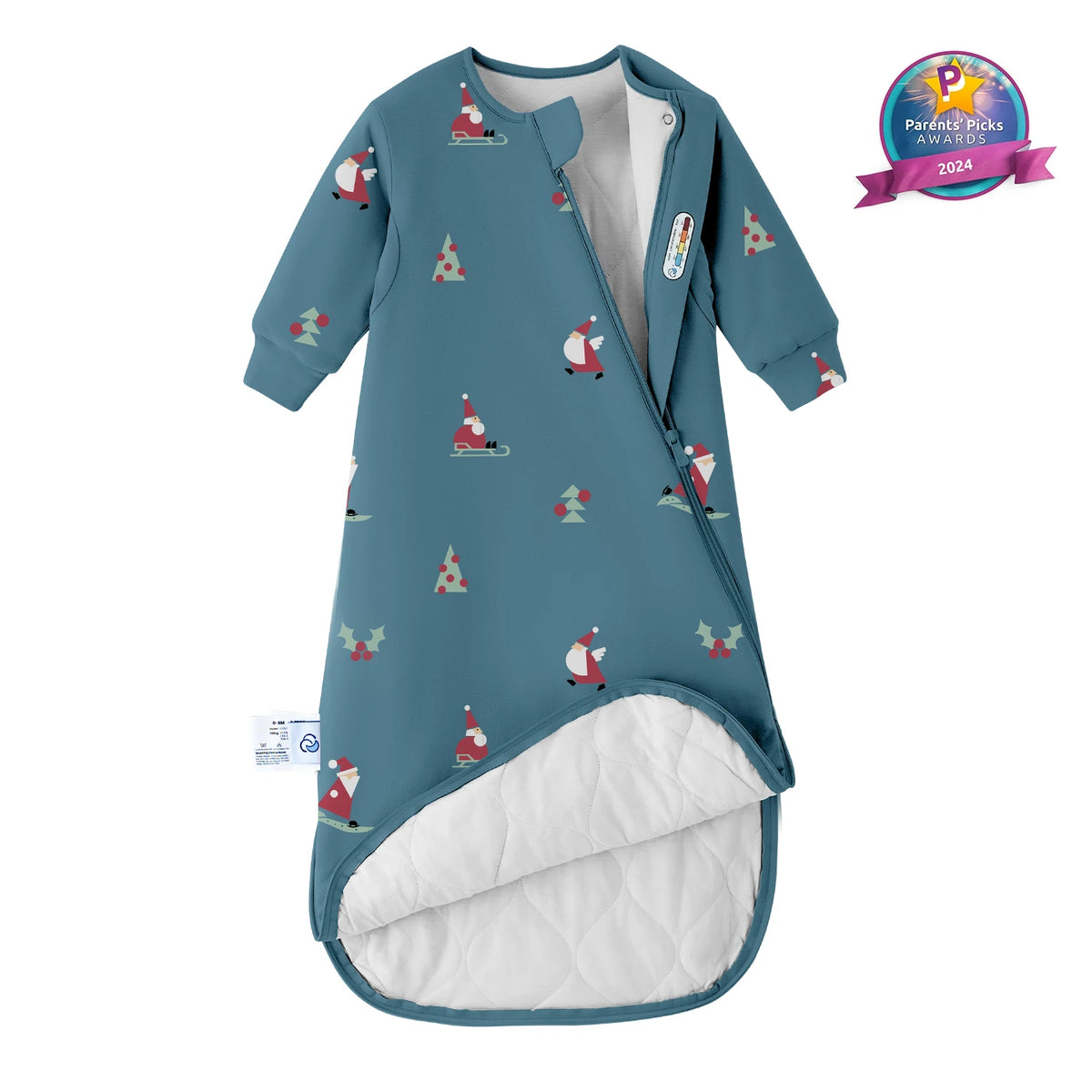
If you're looking for a comfortable, chemical-free sleepwear set, the Kaiya Baby ClimaCuddle® lineup is worth a look.
It's made from 80% rayon from bamboo and 20% merino wool. This blend meets CPSC requirements through snug-fit construction without chemical additives.
Merino wool is a natural material that is difficult to ignite and will stop burning if the flame is removed. The rayon made from bamboo side keeps your baby dry and comfortable, which is important for clothes that your baby will wear for eight to twelve hours at a time.
On top of that, the set comes with a temperature-sensing sticker that senses your baby's reaction to temperature. This can be useful if you're adjusting layers, as it tells you how your baby feels about the temperature with color indication: blue means they are a little cold, yellow indicates comfortable, and orange/brown indicates a little hot.
It's a small design yet a helpful cue since you don't need to wake the baby to check the temperature by touching their chest or neck.
Conclusion
Dressing a baby for bed doesn't have to be a fight. When you understand the reason for snug-fitting pyjamas, the tight fit starts to feel less like a design flaw and more like a feature.
If you are not sure, check the label, look out for any warning signs, and choose the right size. If your pyjamas fit well, you won't have to worry about that at bedtime.
Also read: Can a Swaddle Be Too Tight?
Frequently Asked Questions
Are pajamas supposed to be tight on babies?
Baby pajamas should fit as their label directs. Snug-fitting styles should sit close to the body while allowing comfortable movement. If cuffs dig in, fabric pulls across the body, or closures strain, try a different size or cut. Do not deliberately size up snug-fitting pajamas to make them baggy.
What should I look for when choosing pajamas for newborns?
Look for soft fabric, smooth seams, easy diaper access, and a size suited to your newborn’s current height and weight. Check that the neckline stays in place and the garment allows comfortable arm and leg movement. Choose the fabric weight and any additional layers for the room temperature; newborn sleepwear does not need to feel restrictive.
What are the best materials for baby pajamas to ensure comfort and safety?
Choose soft, washable fabric in a weight suited to the room temperature. Cotton, rayon made from bamboo, and Merino wool blends are options to consider. Our ClimaCuddle® baby pajama sets are a perfect option. For fire safety, check the finished garment’s sleepwear labeling and fit instructions; fiber content alone does not establish compliance.
How do bamboo pajamas compare to cotton pajamas for babies?
Check the fiber label: bamboo pajamas commonly use rayon made from bamboo and may include other fibers, while cotton pajamas may be all cotton or a blend. Softness, stretch, and warmth depend on the fabric’s construction and weight as well as its fibers. For either material, follow the pajama’s fit instructions rather than choosing a larger size for a looser feel.
What are some good toddler pajamas that are not snug fit?
Look for loose-fitting children’s pajamas that are labeled flame-resistant and meet the applicable sleepwear requirements. If a garment is labeled to be worn snug-fitting, choose the correct close-fitting size instead of sizing up for a baggy fit. A different cut may offer more comfort without ignoring the fit instructions. CPSC sleepwear guidance explains the distinction.
Can newborns sleep in just footie pajamas?
Yes, if the pajamas provide appropriate warmth for the room and your newborn stays comfortable. Check for overheating signs such as sweating or a hot chest, and adjust clothing layers as needed. Place your baby on their back on a firm, flat sleep surface without loose blankets, based on the AAP safe sleep guidance.
What are the safety regulations for children's sleep clothing fit?
In the US, children’s sleepwear generally must meet the applicable sleepwear flammability standards unless it qualifies for an exemption, such as compliant tight-fitting sleepwear or certain infant garments. Tight-fitting sleepwear must meet specified garment dimensions and labeling requirements. The infant-garment exemption applies only to qualifying garments sized nine months or smaller that also meet the required measurements, labeling, and general clothing flammability requirements.
Why are many children's pajamas designed to fit snugly?
The main purpose is to reduce fire risk: close-fitting pajamas leave less loose fabric that can contact an ignition source and are less likely to ignite and burn readily than oversized, loose garments. Snug-fitting sleepwear should still allow comfortable movement. It is not flame-resistant simply because it fits closely. CPSC’s children’s sleepwear safety guide explains this distinction.
Do tighter baby pajamas keep infants warmer at night?
Do not choose smaller or restrictive pajamas to keep your baby warmer. Choose an appropriate fabric weight and adjust clothing layers or the sleep sack’s TOG to suit the room temperature. Check your baby’s chest for warmth or sweating rather than judging comfort by how tightly the pajamas fit.
Do all baby sleep sacks need to be tight?
No. A sleep sack should fit securely around the neck and shoulders so your baby cannot slip down inside, while leaving room for hip and leg movement. Follow the manufacturer’s height and weight guidance. A sleep sack’s lower section does not need to hug the legs like snug-fitting pajamas. The Lullaby Trust’s sleepwear guidance explains the importance of a secure upper fit.
Best Sellers
Read more
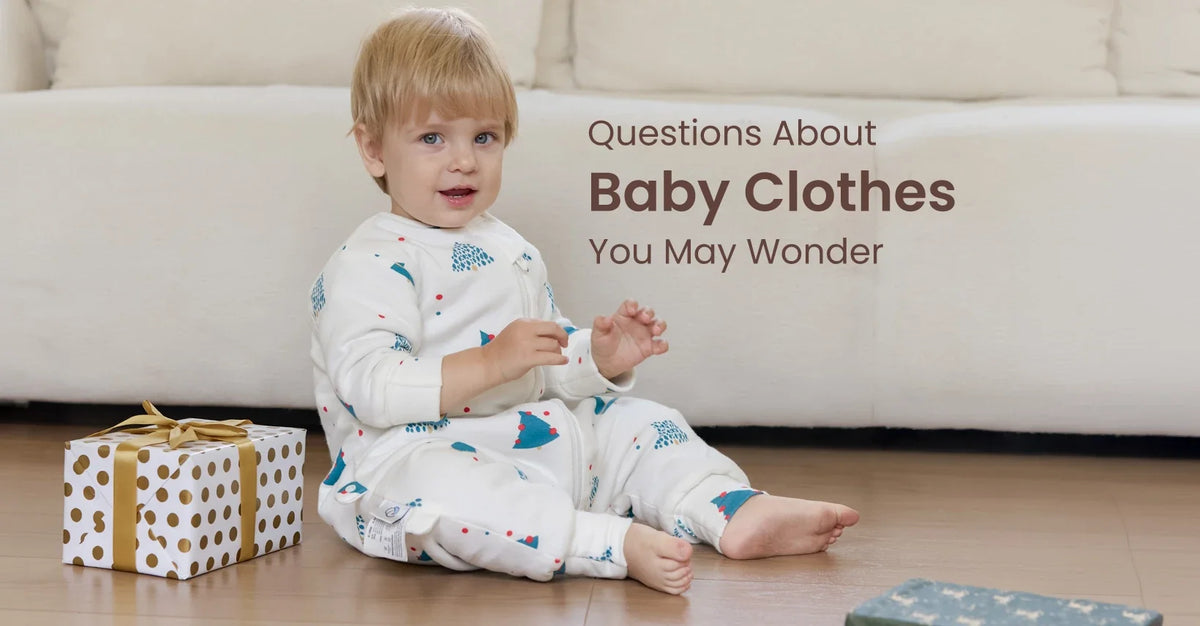
50 Questions About Baby Clothes You May Wonder
From choosing the safest fabrics to finding eco-friendly brands, navigating sizing, and building the perfect registry — every question new and expecting parents ask is answered in one place. 1. Wh...
Read more
Leave a comment
This site is protected by hCaptcha and the hCaptcha Privacy Policy and Terms of Service apply.